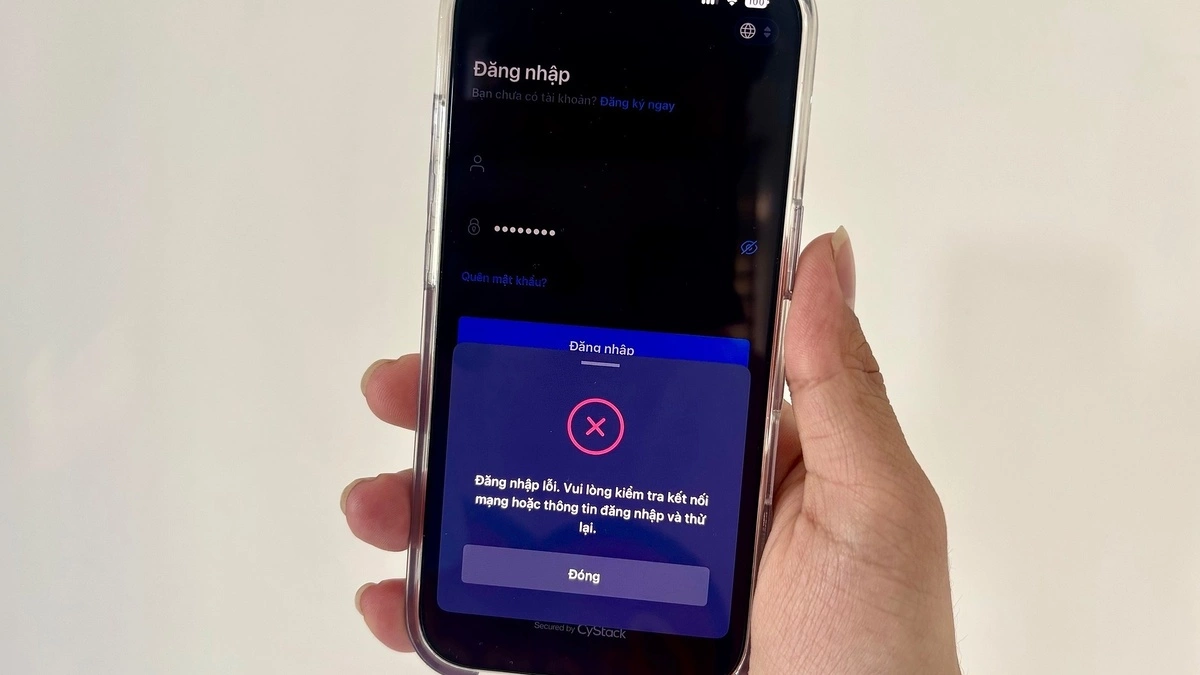
Vietnamese Authorities Investigate Crypto Scam Involving Influencers
Security
2026年7月2日
4
VnExpress
Relations
🇻🇳Vietnam🇹🇭Thailand

Vietnamese Authorities Investigate Crypto Scam Involving Influencers

AI サマリー

Vietnamese authorities are investigating a large-scale cryptocurrency scam involving the "ONUS" trading platform. The probe is examining the potential complicity of prominent social media influencers (KOLs) who allegedly advertised for the platform. Approximately 5 million users had accounts, and over 2,000 citizens have filed complaints.

Vietnamese authorities are expanding their investigation into a large-scale cryptocurrency scam involving the "ONUS" trading platform, examining signs of complicity with prominent social media influencers (KOLs) who allegedly advertised for the platform. This case represents an unusual scale for cryptocurrency-related fraud in Vietnam. According to the Investigative Security Agency (A09) of the Ministry of Public Security, approximately 5 million users had opened accounts on ONUS, and over 2,000 citizens have filed complaints. Authorities have seized 350 kg of gold and silver, frozen 8 real estate properties valued at over 200 billion VND (approximately $8.5 million USD), and blocked 300 bank accounts. So far, seven individuals, including Tran Quang Chien (35, technical administrator of ONUS), Ngo Thi Thao (32, Director of HANAGOLD Joint Stock Company), and Vuong Le Vinh Nhan (aka Eric Vuong, 42), have been arrested and detained on charges of appropriating assets using computer networks, telecommunication networks, or electronic devices, and money laundering. Initial investigations indicate that the group developed its own cryptocurrencies such as VNDC, ONUS, and HNG, selling them to investors through the ONUS platform. While VNDC was supposed to be backed by equivalent assets deposited in major Vietnamese banks at a 1:1 ratio, the group failed to comply with this requirement. Eric Vuong allegedly falsely advertised VNDC as being listed on an exchange issued by Singapore. Furthermore, the group hired KOLs to recruit agents and foot soldiers, engaging in information dissemination and promotional activities to attract a large number of investors. After luring investors, the mastermind group allegedly manipulated buy and sell orders to artificially control and adjust the prices of virtual currencies. However, after a period, as investors incurred losses due to price manipulation, the group stopped creating fake orders and halted promotional activities, causing the virtual currencies to lose their value. Subsequently, Eric Vuong and his accomplices reportedly continued to launch new virtual currency projects under different names using the same modus operandi to attract investors again. The ONUS platform also listed nearly 600 other cryptocurrency projects besides those it created itself. It is believed that large transaction volumes and billions of dollars in capital flowed through this system. Initial investigations suggest that Eric Vuong and his accomplices operated the ONUS cryptocurrency ecosystem, raising billions of dollars and defrauding citizens of tens of trillions of Vietnamese dong.

多角的分析

経済的影響

この事件は、ベトナムにおける仮想通貨市場の規制の遅れと、それがもたらすリスクを浮き彫りにしている。ONUSのようなプラットフォームが、十分な監督なしに独自の通貨を発行し、巨額の資金を調達できた背景には、当局の監視体制の限界があると考えられる。また、KOLs(著名インフルエンサー)の関与は、SNSを通じた情報拡散の速さと影響力の大きさを物語っており、今後、同様の詐欺行為に対する規制強化や、インフルエンサーの法的責任の明確化が求められるだろう。これは、ベトナム経済のデジタル化が進む中で、新たな金融リスクへの対応が喫緊の課題であることを示唆している。

投資家心理

今回の事件は、ベトナムにおける仮想通貨投資のリスクを改めて浮き彫りにした。特に、KOLsによる宣伝は、一般投資家にとって信頼性の高い情報源と映りやすく、詐欺的なスキームへの投資を誘引する強力な手段となり得る。過去にも、ICO(Initial Coin Offering)バブルの崩壊などで多くの投資家が損失を被った事例があり、ベトナムの投資家は、仮想通貨投資においては、プロジェクトのデューデリジェンス(適正評価手続き)を徹底し、過度に宣伝に依存しない慎重な姿勢が求められる。当局による資産凍結や口座の差し押さえは、被害回復に向けた動きだが、投資資金の全額回収は困難な場合が多い。これは、ベトナムの資本市場における投資家保護の課題を示唆している。

社会的影響

著名インフルエンサー(KOLs)が仮想通貨詐欺に関与していたという事実は、SNSの普及とともに、情報発信者の倫理観と社会的責任が問われる事態である。多くの若年層や一般市民がSNS上の情報を鵜呑みにしやすい状況下で、KOLsの広告塔としての役割は、彼らのフォロワーの経済的な生活に直接的な影響を与える。今回、被害者の中には、失業手当や貯蓄を投じてしまった人々も含まれている可能性があり、これは社会的な格差や経済的弱者を食い物にする悪質な手口と言える。当局による著名人の関与の調査は、単なる金融犯罪の摘発にとどまらず、情報リテラシーの向上や、SNSプラットフォームの責任についても議論を呼ぶだろう。具体的には、ハノイの学生がSNSで見た投資情報を信じて多額の借金をしてしまったケースや、ホーチミン市の主婦が家族の生活費を投じてしまったケースなどが想定される。

市民の声

今回の仮想通貨詐欺事件は、多くのベトナム市民、特にSNSを日常的に利用する層に大きな衝撃を与えています。著名なインフルエンサーが関与していたという事実は、多くの人々が「信頼できる情報」と誤解し、安易に投資に踏み切ってしまった可能性を示唆しています。被害者の中には、将来のために貯蓄していたお金や、借金をしてまで投資に回した人々もいると報じられており、これは単なる経済的な損失にとどまらず、家族関係や精神的な健康にも深刻な影響を及ぼす可能性があります。当局が巨額の資産を凍結したことは朗報ですが、被害額の全額が回収できるかは不透明です。市民としては、SNS上の情報、特に投資に関する情報は、その出所や真偽を慎重に見極める必要性を痛感させられています。また、このような詐欺が横行すること自体、社会全体の情報リテラシーの向上や、より厳格な規制の必要性を訴えかけるものと言えるでしょう。

背景・歴史的文脈

ベトナムでは、近年の経済成長に伴い、インターネットとスマートフォンの普及率が飛躍的に向上し、SNSの利用が生活の一部となっている。特に若年層を中心に、インフルエンサー(KOLs)が発信する情報は、消費行動やライフスタイルに大きな影響力を持つようになった。こうした状況を背景に、仮想通貨やオンライン投資詐欺が横行しやすくなっている。過去にも、ICO(Initial Coin Offering)やその他の投資スキームを装った詐欺事件が散発的に発生しており、当局は仮想通貨に対する法整備や規制の強化を模索しているが、技術の進展に追いついていないのが現状である。今回のONUS事件は、KOLsの関与という新たな側面が加わり、問題の複雑化を示している。

原文ソース

VnExpress

原文を読む
Vietnamese Authorities Investigate Crypto Scam Involving Influencers | NEWS-BRAIN