Thailand Grapples with Fuel Price Hikes, Electricity Tariff Reduction Offers Limited Relief
Politics
2026年7月19日
5
INN News

General articles are free for 24 hours after publish.

Thailand Grapples with Fuel Price Hikes, Electricity Tariff Reduction Offers Limited Relief

Share
AI Summary

Thailand's government is attempting to mitigate the impact of rising global oil prices, exacerbated by Middle East tensions, by reducing electricity tariffs. However, public dissatisfaction over high gasoline prices persists, highlighting delays in energy sector reform.

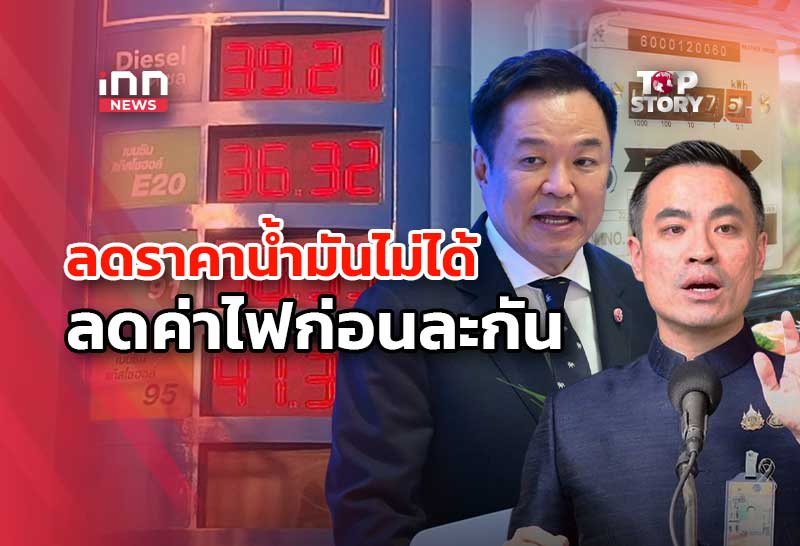
Thailand's government has moved to reduce electricity tariffs in an effort to alleviate the impact of rising global oil prices, exacerbated by escalating tensions in the Middle East. However, persistent public dissatisfaction over high gasoline prices highlights the government's struggle with energy sector reform. The restructuring of energy prices has been a long-standing national agenda item in Thailand, yet tangible progress has been elusive. The intensification of the conflict in the Middle East led to a sharp surge in crude oil prices, resulting in a 6-baht immediate increase and several subsequent hikes in domestic fuel costs. Prime Minister Srettha Thavisin has faced intense criticism regarding fuel prices. Although a reduction of approximately 2.50 baht was recently implemented under the direction of Energy Minister Akkrapong Pornpan, public discontent remains high. Critics point out that domestic prices are still higher than in neighboring countries, even as global market prices have fallen below pre-conflict levels. Energy reform advocates, such as Rosana Tositrakul, have accused the government of a "shell game," suggesting that the recent price cut is merely using taxpayer money to subsidize oil magnates. They are calling for further reductions through excise tax cuts and the utilization of excess profits from oil refineries. Regarding the volatile oil market, the Ministry of Energy stated that while prices will fluctuate daily, drastic increases are unlikely. The ministry plans to manage domestic prices by using funds from refineries and the oil fund to prevent sharp rises in line with global markets. In parallel, the government has shifted its focus to electricity tariff reform. The latest National Energy Policy Committee (GCP) meeting resolved to separate public utility electricity charges from general household bills and to implement tiered reductions for residential consumers. The first 1-200 units will be priced below 3 baht per unit, while units 201-400 and above will maintain their current rates. Furthermore, the government is promoting rooftop solar panel installations, offering to buy back surplus electricity at 2.20 baht per unit and liberalizing direct trading of clean energy. Government spokespersons and ministers have quickly claimed these measures, particularly the separation of public utility charges—a problem that has persisted for over 30 years—as a successful "promise delivered" by the Bhumjaithai Party-led government. However, some academics remain cautious, noting that Thai electricity costs are influenced by numerous factors, including fuel costs, power purchase agreements, reserve capacity, and financial burdens within the system. They suggest that the government's announcement represents a "good news" about tariff adjustments and the initiation of reforms, rather than a complete resolution. The core issue for Thailand remains "oil prices." The elevated cost of oil due to geopolitical events and the failure to bring domestic prices back to pre-conflict levels significantly impact the cost of living and the national economy, far more than electricity tariffs. The government's primary challenge is to reform the oil pricing structure to achieve genuine relief for the public. The reduction in electricity tariffs, while welcome, does not meet the fundamental expectations of the public and long-term energy activists. Source: INN News

0

Original source

INN News

原文を読む