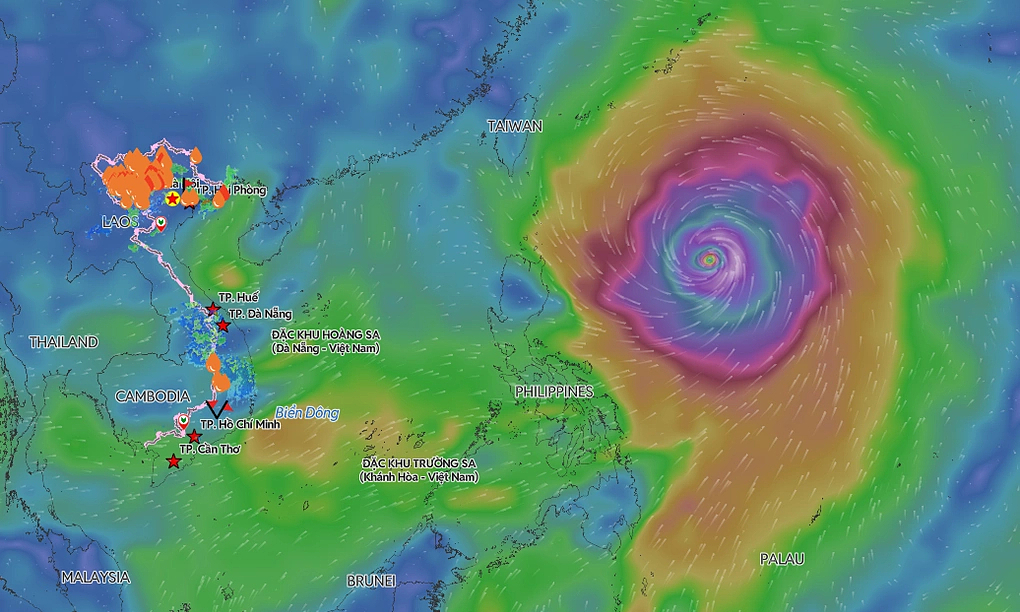
Super Typhoon Bavi Disrupts Over 180 Flights Across Asia
Super Typhoon Bavi's approach to Taiwan and eastern China has caused significant disruptions to air travel across Asia. Singapore Airlines, along with Japanese and Hong Kong carriers, have announced over 180 flight cancellations and delays, affecting tens of thousands of passengers. Taiwanese authorities are urging strict preparedness.
Singapore Airlines (SIA) and its low-cost subsidiary Scoot have adjusted schedules and cancelled at least 18 flights to and from Taipei, Tokyo, Seoul and Sapporo as Super Typhoon Bavi approaches Taiwan and eastern China. A total of 16 flights scheduled for July 10 and 11 have been cancelled, including Scoot services between Singapore and Tokyo's Narita Airport, Seoul and Sapporo via Taipei, as well as four Singapore Airlines flights between Singapore and Taipei. SIA flights SQ878 and SQ879 between Singapore and Taipei on July 10 have also been rescheduled, Asia One reported. The airlines said affected passengers would be contacted directly with updated travel arrangements and advised travelers to check their flight status pages for the latest information, as adverse weather could cause further disruptions. Passengers affected by the schedule changes can choose to be rebooked on another flight or request a full refund for the unused portion of their tickets, SIA said on its website Thursday. The location of super typhoon Bavi on the morning of July 9, 2026. Graphic by Vietnam Disaster Monitoring System Reuters reported multiple flight cancelations by Japanese airlines that affected more than 15,000 passengers. Japan Airlines had cancelled 48 domestic flights and two international flights scheduled for July 10, while All Nippon Airways said it would cancel 34 flights mainly serving Okinawa's Ishigaki and Miyako airports on July 10, with 33 further domestic flights set to be cancelled on July 11. The South China Morning Post reported that more than 40 outbound flights from Hong Kong to Taiwan, mainland China and Japan – operated by Cathay Pacific Airways, HK Express, Hong Kong Airlines and Greater Bay Airlines – had been cancelled and 10 delayed to July 12. Authorities in Taiwan on Thursday urged residents to prepare emergency supplies as Super Typhoon Bavi is expected to become the island's strongest storm since 2024. The typhoon was churning southeast of Taiwan in the Pacific Ocean on Thursday, with maximum sustained winds easing overnight to just under 200 kph (124 mph), Reuters reported. Bavi, which spans about 1,000 km (621 miles) across at its widest point, roughly the width of France, is forecast to skirt northern Taiwan before making landfall in China's eastern Fujian Province on Saturday evening, according to China's National Meteorological Center. Bavi is expected to be the largest storm by size to affect Taiwan since 1987, Taiwan Central Weather Administration forecaster Jason Chang told Reuters, adding that storms of this scale have been "fairly rare in recent years." If Bavi maintains its forecast intensity, it would be the most powerful typhoon to affect the region since Super Typhoon Kong-rey in 2024, according to commercial weather forecasting service AccuWeather, according to Reuters. Scientists have warned that climate change is contributing to more frequent and intense extreme weather events, leaving eastern Asia increasingly vulnerable to powerful storms. Subsidiary of VnExpress License number: 71/GP-CBC, Ministry of Information andCommunications, September 22, 2021 Editor-in-Chief: Pham Van Hieu Email: [email protected]: 028 7300 9999 - Ext 8556 10th floor, Block A FPT Tower, 10 Pham Van Bach, Cau Giay Ward, Hanoi
多角的分析
巨大台風バビによる航空便の多数の欠航・遅延は、直接的な経済損失にとどまらず、サプライチェーンの混乱や観光業への影響も懸念されます。特に、アジア域内の物流ハブとなっている地域への影響は大きく、経済活動の停滞を招く可能性があります。また、台風被害を受けたインフラの復旧には多額の費用がかかり、各国の財政にも負担となります。
投資家にとっては、台風によるインフラ被害や経済活動の停滞は、短期的な市場のボラティリティを高める要因となります。航空会社や関連産業への直接的な影響に加え、サプライチェーンの寸断は製造業や小売業など広範なセクターに波及する可能性があります。しかし、長期的な視点では、復旧・復興需要による建設関連銘柄などへの投資機会も生まれる可能性があります。
航空便の欠航・遅延は、旅行者やビジネス関係者だけでなく、家族との再会を予定していた人々にも大きな影響を与えます。特に、帰省シーズンや重要なビジネスイベントを控えている場合、計画の変更やキャンセルによる精神的・経済的な負担は計り知れません。また、台風の接近は、被災地域の住民にとって、生活インフラへの不安や避難生活への懸念を増大させます。
市民生活への影響は甚大です。旅行の計画が狂うだけでなく、ビジネスでの重要な商談や家族との再会が延期・中止されることで、精神的なストレスや経済的な損失が発生します。また、台風によるインフラ被害は、電力供給や通信網の寸断を招き、日常生活にさらなる困難をもたらす可能性があります。台湾では、当局による厳重な警戒呼びかけがあり、市民は食料や水の備蓄など、万が一に備えています。
背景・歴史的文脈
近年、気候変動の影響により、アジア太平洋地域では台風の強度が増し、発生頻度も高まる傾向にあります。特に東アジアは、太平洋からの湿った空気が集まりやすく、台風の通り道となるため、脆弱性が指摘されています。過去にも、2024年のスーパー台風コングレイや、1987年の大型台風など、甚大な被害をもたらした事例があり、今回のバビはそれらに匹敵する規模とされています。このような異常気象は、各国の防災・減災対策の強化だけでなく、国際的な気候変動対策の連携の重要性を改めて浮き彫りにしています。
原文ソース
VnExpress International