General articles are free for 24 hours after publish.
Thailand Proposes 60% Clean Energy Mandate for Data Centres
Thailand's government is considering a mandate requiring data centres to source at least 60% of their electricity from clean energy. This initiative aims to address the growing electricity consumption and environmental concerns associated with data centres.
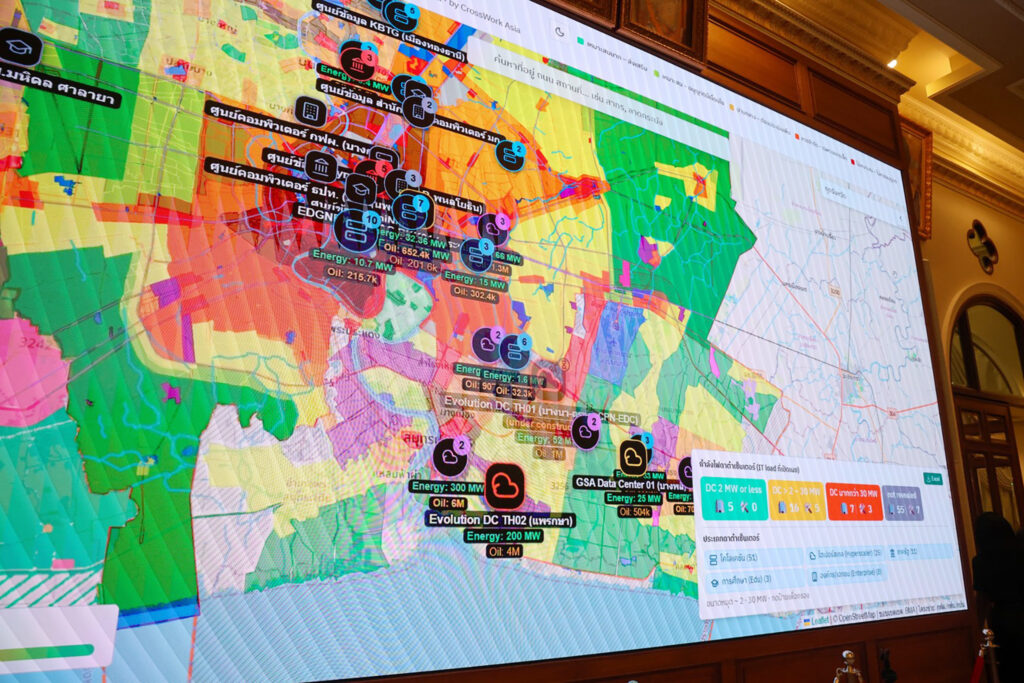
Thailand is moving to mandate that data centres source at least 60% of their electricity from clean energy, with proposed minimum standards set to be issued within one month. This regulatory push aims to address the significant energy demands of data centres and their environmental impact. The National Data Centre Business Policy Committee, in its inaugural meeting on Friday, agreed to establish four subcommittees focusing on economic benefits, infrastructure, building and location safety, and environmental standards. Government agencies have been tasked with consolidating industry data within a week. Energy Minister Akanat Promphan stated that data centres will be subject to a separate electricity tariff to prevent their heavy consumption from increasing household bills. Operators will also face grid-connection requirements and safety standards for backup batteries, generators, and diesel storage. The impetus for these regulations stems from recent controversies, notably concerning the EDGNEX BKK01 data centre near Rama IX. Following resident complaints about a strong fuel odour, authorities discovered approximately 200,000 litres of diesel stored without a permit. Petroleum-related pollutants were subsequently detected in nearby drains. The facility has not yet received an occupancy certificate, and investigations into the odour's source are ongoing. This incident highlighted existing gaps in zoning, building control, and environmental laws, including the lack of a clear legal definition for data centres. Some projects have previously sought approval under classifications like warehouses or utilized other inappropriate permits. The government will review requirements related to water usage, renewable energy, data protection, and cybersecurity, though officials indicated that environmental impact assessments might not be mandatory initially. Bangkok is estimated to host 30–40 data centres, predominantly older, internally operated facilities by private companies. Since 2021–2022, six large, standalone projects have applied for approval. Three have been approved, while the remaining three are pending new safety and resource-use standards. No suspension orders have been issued against the approved facilities. Nationwide, the National Economic and Social Development Council identifies 42 commercially operating data centres. The discrepancy between national and Bangkok figures underscores the fragmented data that the committee aims to consolidate. Prime Minister Anutin Charnvirakul emphasized that Thailand should aim for more than just being a location for data centres, advocating for future investments to generate domestic value through technology transfers, workforce development, and related AI and cloud service investments. Anutin added that the committee would define the legal status of data centres and establish standards for green data centres, data protection, and cybersecurity. The government's long-term vision is to position Thailand as a regional digital and innovation hub while managing the sector's substantial demand for electricity, water, land, and utilities. He also noted that applications for approximately 20,000 megawatts of electricity capacity from data centres could include speculative requests aimed at reserving capacity for commercial purposes. These proposals have not yet been enacted into law. Existing regulations governing building use, business registration, and fuel storage will remain in effect while the new framework is drafted. Source: Thai Enquirer
Original source
Thai Enquirer