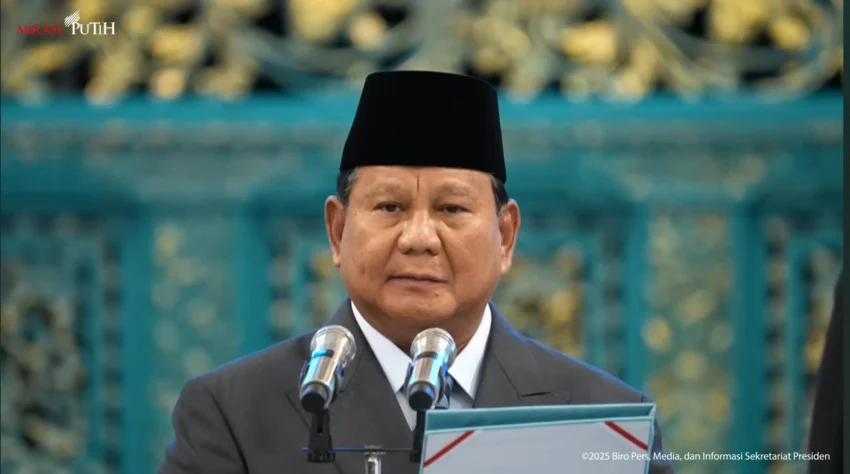
Spread of LGBT Culture a Non-Military State Threat, Mentioned in Presidential Regulation Signed by Prabowo
Reports from Indonesia highlight concerns that the spread of LGBT culture could pose a threat to a non-military state, with references made to a Presidential Regulation signed by then-Defense Minister Prabowo. This issue sparks debate regarding social values and national security.
In Indonesia, the spread of LGBT (Lesbian, Gay, Bisexual, Transgender) culture is being discussed as a potential threat to a non-military state. According to a report by Sindonews, this issue was mentioned in relation to a Presidential Regulation signed by then-Defense Minister Prabowo Subianto. The report was disseminated on July 5, 2026. Detailed information on the specific content of the Presidential Regulation and how LGBT culture is considered a national security threat is limited in the currently available information. However, the issue is drawing attention against the backdrop of a long-standing tension in Indonesian society between traditional values and religious norms, and the advocacy for the rights of individuals with diverse sexual orientations and gender identities. Indonesia, with the world's largest Muslim population, sees Islamic teachings significantly influencing social norms and legal systems. Consequently, there are strong opposing views regarding LGBT rights and cultural acceptance, particularly among conservative segments. Meanwhile, voices advocating for a more tolerant society are also emerging from human rights organizations and some youth groups. This report can be seen as an example of how changes in social values are perceived from a national security perspective. Attention will be focused on Prabowo's future stance on these social issues, both as Defense Minister and as a potential future presidential candidate.
多角的分析
現時点では、LGBT文化の広がりとインドネシア経済への直接的な経済的影響を示す具体的な情報は乏しい。しかし、社会的な受容度の変化は、観光産業や国際的なビジネス環境に間接的な影響を与える可能性がある。特に、LGBTQ+フレンドリーな観光地や企業への投資動向などが、将来的に注目されるかもしれない。
投資家にとって、LGBT文化の広がりに関する議論は、インドネシアの社会・政治リスクを評価する上での一つの要素となり得る。特に、保守的な価値観と現代的な社会運動との間の緊張は、一部の消費者向けビジネスや国際的なブランドイメージに影響を与える可能性が考えられる。ただし、現時点では具体的な投資判断に直結する情報は限られている。
インドネシア社会では、伝統的・宗教的価値観と、グローバル化に伴う多様な価値観との間で常に摩擦が生じている。LGBT文化の広がりに対する懸念は、一部の保守層が社会の急激な変化に対して抱く不安の表れと見られる。一方で、人権擁護の観点からは、性的指向や性自認に基づく差別をなくし、包摂的な社会を築くべきだという主張も根強く存在する。この対立は、法制度や公共政策の議論においても、今後も継続すると予想される。
プラボウォ国防相(当時)が署名した大統領令に、LGBT文化の広がりが非軍事国家の脅威として言及されたという報道は、ジャカルタ市民の日常生活に直接的な変化をもたらすものではない。しかし、社会の価値観や規範に関する議論は、公共の場での振る舞いや、家族・地域社会における人間関係に間接的な影響を与える可能性がある。特に、保守的な地域では、こうした議論が人々の不安を煽ることも考えられる。
背景・歴史的文脈
インドネシアにおけるLGBTに関する議論は、同国が抱える伝統的・宗教的価値観と、グローバル化に伴う人権意識の高まりとの間の緊張関係を象徴している。特に、イスラム教が多数派を占める社会において、LGBTの権利擁護は保守層からの強い反発に直面してきた。過去には、一部の地方政府がLGBT関連のイベントを禁止したり、公共の場での表現を制限したりする動きも見られた。プラボウォ氏が国防相として、また政治家として、こうした社会的な論争にどのように関与してきたかは、彼の政治的スタンスを示す一端であり、今回の報道は、国家安全保障という枠組みで、このデリケートな問題に言及した形となった。
原文ソース
Sindonews