Vietnam Enhances Remains Identification Tech for Fallen Soldiers
Politics
2026年7月14日
4
VietnamPlus English

Vietnam Enhances Remains Identification Tech for Fallen Soldiers

AI サマリー

Vietnam is accelerating efforts to identify the remains of fallen soldiers in the Central Highlands, utilizing advanced DNA technology to provide information to families and fulfill national obligations. This initiative is crucial in the context of supporting war veterans' families and preserving national memory.

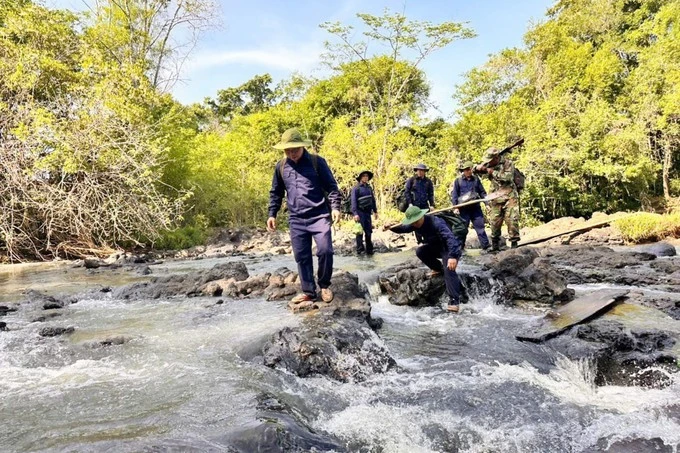
Efforts to identify the remains of fallen soldiers from the Vietnam War are underway in Dak Lak Province in Vietnam's Central Highlands. This initiative is described as a sacred mission embodying the Vietnamese tradition of remembering and honoring those who sacrificed for the nation. The current generation is urged to spare no effort in carrying out the Party's policy and fulfilling the aspirations of the people, particularly the families of the fallen. The site, a cave located between protection and production forests in Ha Nha commune, has remained largely untouched since the war. Large boulders blasted down by bombing still block part of the entrance, making excavation difficult and hazardous. To overcome these challenges, the advanced NGS-SNP technology is being employed. This technology enables kinship analysis not only among immediate family members but also extending to relatives as distant as the fourth or fifth generation, significantly increasing the chances of identification. Once digitization is completed and a unified database is established, searches for, recovery, and identification of martyrs' remains will become much faster and more accurate. This will provide a crucial foundation for better implementing policies for people with meritorious service. In the context of Vietnam's one-party system, such initiatives to honor war heroes contribute to national unity and social cohesion, reinforcing loyalty among citizens and demonstrating respect for past sacrifices. Strengthening domestic solidarity can also be seen as a strategic element in managing relations with China. Information Source: VietnamPlus English

多角的分析

経済的影響

戦没者遺骨同定事業自体に直接的な経済効果は限定的だが、国家の記憶継承と国民統合は、長期的な社会安定と経済成長の基盤となりうる。遺族への補償や支援策の実施は、社会保障費の増加に繋がる可能性がある。また、最新技術の導入は、関連するバイオテクノロジー分野の発展を促す可能性も秘めている。

投資家心理

このニュース自体が直接的な投資機会を示すものではない。しかし、ベトナム政府が過去の戦争の遺産に対して真摯に取り組む姿勢は、国家の安定性や社会福祉への投資と見なされ、長期的な投資環境の評価に間接的に寄与する可能性がある。特に、技術導入への積極性は、ハイテク分野への関心を高めるかもしれない。

社会的影響

この事業は、戦争で失われた命への敬意を示し、遺族の精神的な苦痛を和らげる重要な社会的意義を持つ。遺骨の特定は、失われた家族の帰還を待ち望む遺族にとって、長年の悲願達成を意味する。また、国家が過去の犠牲を記憶し、公式に追悼することは、国民の愛国心を醸成し、社会の一体感を強化する。ベトナム戦争の記憶は、現代ベトナム社会のアイデンティティ形成に不可欠な要素であり続けている。

市民の声

ベトナム市民、特に戦没者の遺族にとっては、この取り組みは長年の悲願であり、深い安堵と感謝をもたらすだろう。失われた家族の名前が明らかになり、尊厳をもって葬られることは、精神的な救済となる。一方で、遺骨の特定には時間がかかり、すべての遺骨が特定できるとは限らないという現実もある。しかし、国家がこの問題に真摯に取り組む姿勢そのものが、多くの市民にとって、政府への信頼感を高める要因となりうる。

背景・歴史的文脈

ベトナム戦争(1955-1975)では、数百万人の死傷者が出たと推定されており、多くの兵士の遺骨が未特定・未回収のままとなっている。ベトナム政府は、建国以来、戦没者を追悼し、遺族を支援することを国家の重要な責務として位置づけてきた。これは、国民の忠誠心を維持し、社会の安定を図る上で不可欠な政策である。近年、DNA鑑定技術の進歩により、未特定遺骨の特定が可能となり、政府はこの技術を活用して、遺骨収集・特定事業を強化している。これは、国民統合を重視するベトナムの一党体制の特性とも合致する。

原文ソース

VietnamPlus English

原文を読む