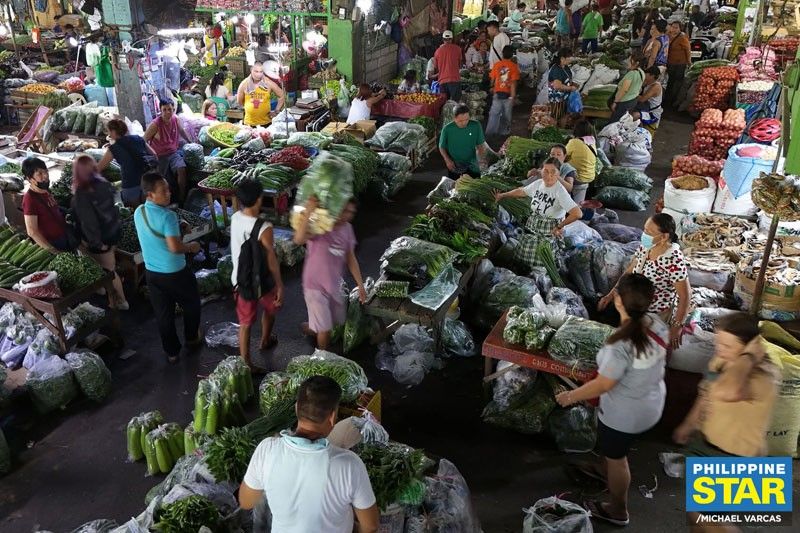
Philippines Inflation Slows to 6.4% in June
Economy
2026年7月7日
3
Philstar Business

Philippines Inflation Slows to 6.4% in June

AI サマリー

The Philippines' overall inflation eased to 6.4% in June 2026 from 6.8% in May, driven by slower price increases in transport, food, and household items. The average inflation rate for the first half of the year stood at 4.8%.

MANILA, Philippines — The country's overall inflation eased to 6.4% in June 2026 from 6.8% in May, according to the latest report from the Philippine Statistics Authority (PSA). The slowdown was primarily driven by the slower annual increase in the indices of transport (12.8%), food and non-alcoholic beverages (5.2%), and furnishings, household equipment and routine household maintenance (3.7%). The easing of overall inflation brought the Philippines' average inflation rate to 4.8% for the January to June period, the PSA said. This is a developing story. For the Philippine economy, inflation trends directly impact the lives of citizens, and a slowdown in inflation can lead to reduced pressure on household budgets. In particular, rising transport and food prices are a significant burden for low-income households, making price stabilization a crucial issue. On the other hand, the average inflation rate remaining within the target range is expected to influence the central bank's monetary policy operations. For the Philippines, with a large overseas workforce, inflation rates can also affect the value of remittances sent home. Furthermore, in terms of economic relations with Japan, the Philippines' price trends are a factor considered by Japanese companies when deciding on expansion and investment.

多角的分析

経済的影響

6月のインフレ率6.4%への鈍化は、フィリピン経済にとってプラス材料です。特に運輸部門と食料品価格の上昇率鈍化は、家計の購買力維持に寄与します。上半期の平均インフレ率が4.8%という点は、中央銀行がインフレ抑制目標を達成する上で重要な指標となります。しかし、依然として6%台の高い水準にあるため、物価安定化に向けた継続的な政策努力が求められます。過去の事例では、インフレ率の高止まりは消費の低迷や投資意欲の減退を招くことが示されており、今回の鈍化が持続的な景気回復に繋がるかが注目されます。

投資家心理

インフレ率の鈍化は、フィリピン市場への投資家にとって、消費者の購買力低下リスクの軽減を意味します。特に、運輸や食料品といった生活必需品関連の価格上昇率が落ち着くことは、これらのセクターへの投資リスクを低減させます。しかし、6.4%というインフレ率は依然として高く、中央銀行による金利引き上げの可能性も否定できません。投資家は、フィリピン・ペソの為替レートの安定性や、今後の金融政策の動向を注視する必要があります。過去、インフレ率の高止まりは海外からの直接投資を抑制する要因となってきました。

社会的影響

インフレ率の鈍化は、フィリピン国民、特に低所得者層にとって、日々の生活費負担の軽減に繋がる可能性があります。運輸費や食料品価格の上昇は、多くの家庭で家計を圧迫する主要因であり、その鈍化は生活水準の維持に不可欠です。しかし、6.4%というインフレ率は依然として高く、多くの国民は依然として物価上昇のプレッシャーを感じていると考えられます。例えば、マニラ首都圏の通勤者や地方の農村部での食料品購入者の生活実感には、この数字が直接影響します。過去、インフレ率の高騰は社会不安の増大やデモの引き金となった事例もあり、物価安定は社会の安定に不可欠な要素です。

市民の声

インフレ率が少し下がったのは嬉しいニュースですが、6.4%というのはまだまだ高い数字です。特に、毎日の食料品や交通費は依然として高く、家計のやりくりは楽になりません。例えば、マニラ首都圏で働く人々は、毎日の通勤費の負担を強く感じています。また、地方では食料品の価格が生活に直結するため、この鈍化がどれだけ実生活に恩恵をもたらすか、まだ様子を見る必要があります。過去の経験から、インフレが続くと、子供の学費や医療費も上がってしまうのではないかという不安が常にあります。

背景・歴史的文脈

フィリピンにおけるインフレは、歴史的に国際的な商品価格(特に原油や食料品)の変動、国内の天候不順による農産物供給の不安定さ、そして為替レートの変動に大きく影響されてきました。2026年6月のインフレ率鈍化は、これらの要因の緩和を示唆しますが、根本的な構造問題、例えば運輸コストの高さや、国内生産能力の限界は依然として存在します。過去、フィリピン経済は、インフレ率の高止まりが消費を抑制し、経済成長の足かせとなるケースを繰り返してきました。そのため、政府は物価安定化策と並行して、経済構造の改善に取り組むことが求められています。

原文ソース

Philstar Business

原文を読む