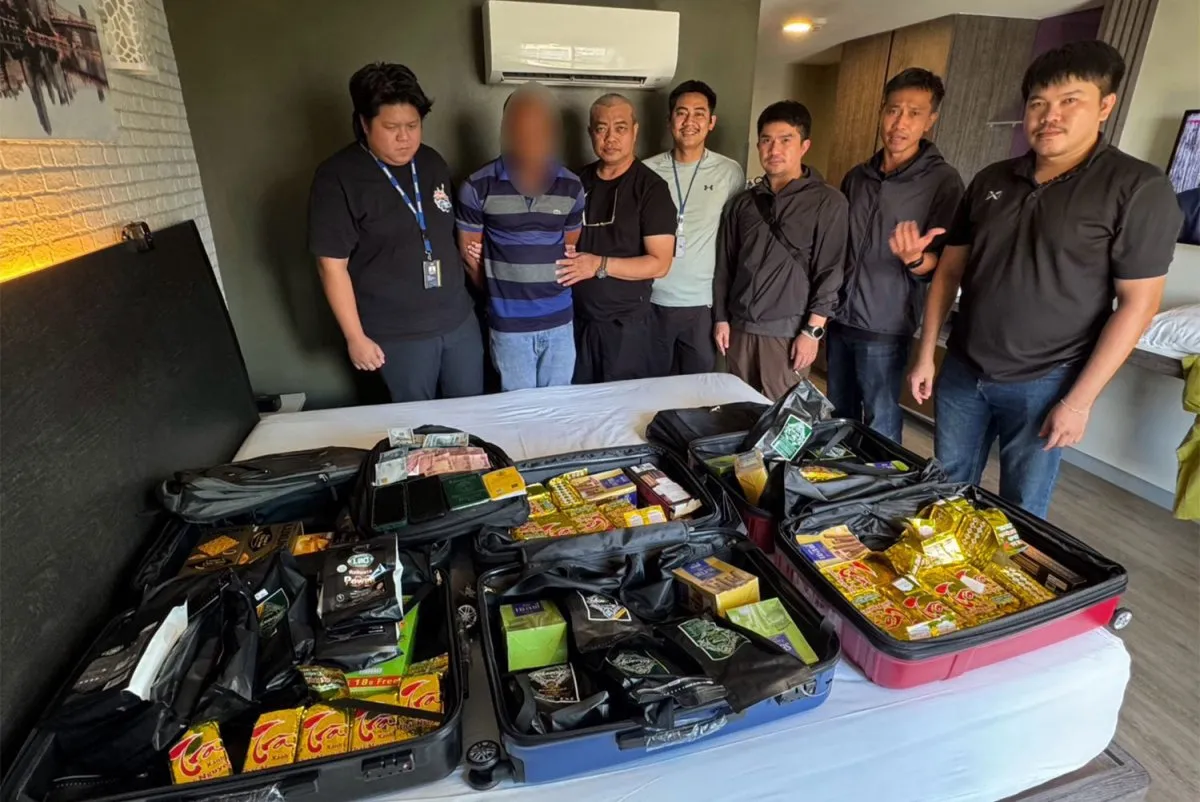
Thai Police Dismantle African Drug Ring, Arrest 13, Seize 400 Million Baht Worth of Narcotics
Security
2026年7月4日
4
Chiang Rai Times

Thai Police Dismantle African Drug Ring, Arrest 13, Seize 400 Million Baht Worth of Narcotics

AI サマリー

Thai police have dismantled a major international drug syndicate, arresting 13 suspects and seizing narcotics valued at over 400 million baht. The organization exploited Thai women through romance scams to act as drug mules.

Crime Suppression Division (CSD) Police in Thailand have dismantled a major international drug syndicate following a series of coordinated raids across the country. Authorities arrested 13 suspects and seized a massive haul of illegal narcotics valued at over 400 million baht. The multi-agency operation targeted a highly organized network believed to be led by an African kingpin. Investigators revealed that the syndicate used emotional manipulation and romance scams to trick local Thai women into working as cross-border drug mules. According to reporting by the Bangkok Post, the Central Investigation Bureau (CIB) identified the mastermind as an African national known as “Big Jot.” Police believe the kingpin is currently operating from outside Thailand to evade arrest. The Crime Suppression Division (CSD) led six separate raids between May 18 and July 1, 2026. The operations resulted in the arrest of seven Thai nationals, five Nigerian nationals, and one Polish citizen. All 13 suspects now face severe legal charges for possessing Category 1 narcotics with the intent to sell. The syndicate utilized a highly sophisticated recruitment strategy that began on social media platforms like TikTok. Syndicate members based in Nigeria actively searched for Thai women to target with elaborate romance scams. Scammers spent months building trust, professing love, and establishing deep emotional connections with the unsuspecting victims. In some cases, foreign network members even traveled to Thailand to live with the women as partners, establishing long-term households and having children to eliminate suspicion. Once trust was absolute, the criminals manipulated or forced the women into becoming international drug couriers. The network forced the women to travel to neighboring countries to collect large shipments of illicit drugs. Accomplices helped the couriers cross the Mekong River secretly before returning to Thailand with the contraband. Upon returning, the women received instructions to drive syndicate-provided vehicles straight to safehouses in Bangkok, which served as the primary distribution hub where narcotics were repackaged for local tourist destinations. The gang also prepared large quantities of drugs for export to lucrative international markets, with select members assigned to smuggle packages onto international flights leaving Thailand. Pol Maj Gen Pattanasak Bubphasuwan, the commander of the CSD, explained that the traffickers abandoned traditional packaging methods, such as white brick packages with cartel logos. Instead, the network used advanced concealment techniques to hide narcotics inside everyday consumer goods. Officers found heroin hidden inside sealed snack packets, commercial coffee bags, and heavy pet food packaging. Most notably, smugglers attached flattened packs of heroin directly to the cardboard inserts used in new shirt packaging, which could easily bypass standard airport X-ray scanners unless physical inspections were performed. The financial incentives driving the transnational syndicate are immense. While the 110 kilograms of seized heroin is worth millions domestically, its street value multiplies overseas. If successfully smuggled into destination countries like Australia, the heroin could fetch up to 10 million baht per kilogram, representing a profit margin roughly three times higher than selling the drugs inside Thailand. This massive profit potential explains the syndicate's investment in complex emotional scams and logistical operations. Thai authorities are now working closely with international police agencies to track down “Big Jot” and dismantle the remainder of the network.

多角的分析

経済的影響

この麻薬シンジケートの活動は、タイ経済における闇市場の規模と、それが国際的な犯罪組織にとってどれほど魅力的な拠点となっているかを示唆している。押収された麻薬の価値が国内と国外で大きく異なることは、国境を越えた密輸がいかに莫大な利益を生むか、そしてその利益がタイ国内の犯罪活動や社会不安にどのように影響しうるかを示している。また、高度な隠蔽技術やロマンス詐欺といった手法は、犯罪組織が利益最大化のために多大なリソースを投じていることを示しており、タイの法執行機関にとって、より洗練された対策が求められていることを浮き彫りにしている。

投資家心理

今回の摘発は、タイにおける法執行の進展を示す一方で、国際的な犯罪組織が依然として活発に活動していることを示唆している。投資家にとっては、タイの治安状況、特に国境管理や組織犯罪対策の有効性が、直接的なリスク要因となりうる。麻薬密輸ルートの遮断は一時的な効果をもたらす可能性があるが、代替ルートの出現や、より巧妙な手口への移行も考えられる。したがって、タイへの直接投資や、タイを拠点とするビジネス展開を検討する際には、治安リスクの評価を慎重に行う必要がある。

社会的影響

この事件は、タイ社会における脆弱な人々、特に女性が国際犯罪組織の標的となりやすい状況を浮き彫りにしている。ロマンス詐欺や感情的な操作によって、被害者は深い信頼関係を築いた後に利用される。これは、SNSの普及と匿名性が、犯罪者にとって都合の良い環境を作り出していることを示唆している。また、被害者が運び屋として逮捕された場合、その家族や周囲の人々にも深刻な影響が及ぶ。タイ社会は、こうした犯罪手口に対する啓発活動の強化と、被害者支援体制の充実が喫緊の課題となっている。

市民の声

タイ国民、特にSNSを利用する若年層や女性は、見知らぬ相手からのアプローチに対して一層の警戒が必要となる。ロマンス詐欺は、感情に訴えかける巧妙な手口であり、被害者は容易に騙されてしまう可能性がある。また、運び屋として逮捕された場合、その影響は個人だけでなく家族全体に及ぶ。タイ市民は、オンラインでの人間関係構築におけるリスクを認識し、不審な勧誘や要求には応じないように注意する必要がある。政府や警察は、こうした犯罪手口に関する注意喚起を継続的に行うべきである。

背景・歴史的文脈

タイは、地理的に麻薬の生産地である「ゴールデント・トライアングル」に近く、また隣国へのアクセスが良いことから、古くから麻薬の密輸ルート上の重要な中継地点となってきた。特に、メコン川流域は密輸に利用されやすく、タイ当局は長年にわたり麻薬組織との戦いを続けている。近年、SNSの普及により、犯罪組織はより巧妙な手口で若者や女性を勧誘するようになっている。今回の事件は、アフリカを拠点とする国際的な麻薬組織が、タイ国内の社会的な脆弱性を巧みに利用して活動を拡大させている現状を示しており、タイ政府は国際連携を強化し、新たな犯罪手口への対応を迫られている。

原文ソース

Chiang Rai Times

原文を読む