General articles are free for 24 hours after publish.
Philippines Pushes for Renewable Energy Transition, DOE Assures Initial Costs Are Temporary
The Philippine Department of Energy (DOE) has assured that the high initial costs associated with the transition to renewable energy sources are temporary. Citing the significant price drop in solar energy from P9.68 per kilowatt-hour in 2015 to P4.50 today, the DOE projects further cost reductions. The country aims to increase the share of renewables in its energy mix to 35% by 2030.
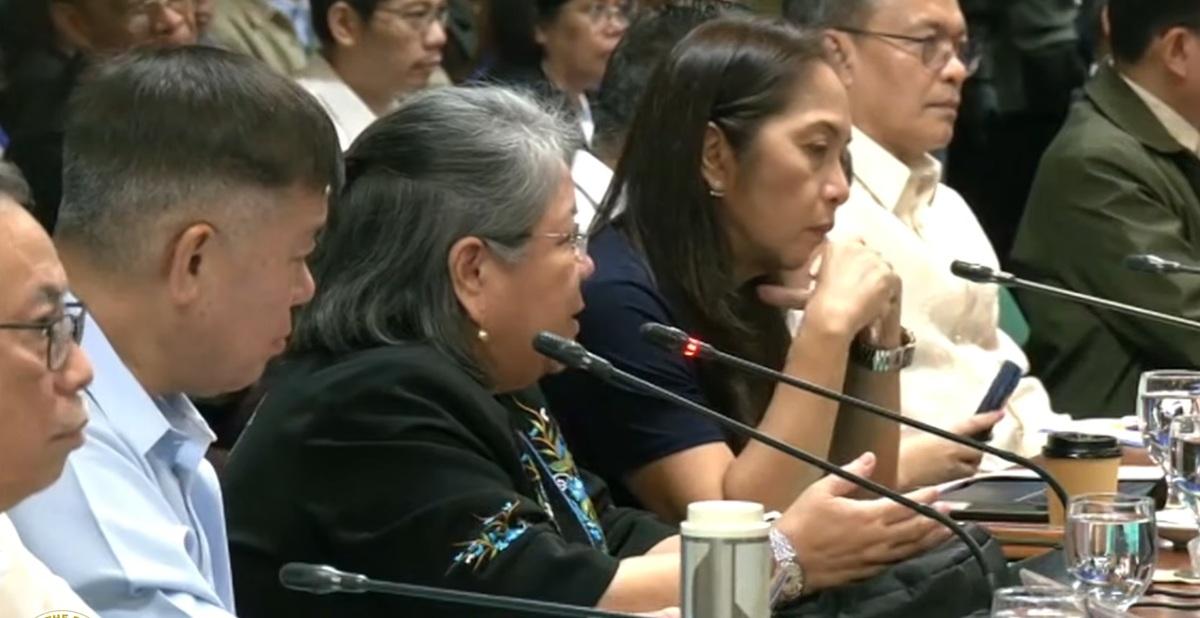
The Department of Energy (DOE) has assured that the high initial costs for new technologies in clean energy are temporary, amidst skepticism about switching to renewable energy sources. During the Senate’s deliberation on the DOE’s proposed P5.57-billion budget for 2027, Energy Undersecretary Rowena Guevarra stated that coal energy used to be cheaper than solar energy, but that things have changed. "Yung ating mga renewables ngayon, people are worried na ang mahal naman nung bagong technology na 'yan. I would like to remind people, when we started solar in 2015, the price was P9.68 per kilowatt hour. Today, it's P4.50 [per kilowatt]. So we would like to encourage people not to be afraid of the initial high price of new technologies, because it will really go down," she said. The country’s present energy mix includes about 62% from coal, 25% from renewables, and the rest are sourced from oil, and battery energy storage systems, the DOE said. The Energy department is targeting to raise the share of renewable power to 35% by 2030. "From 2022 to 2024, our renewable energy - in the generation mix, in megawatts per hour - was 22%. Last year, it jumped to 25%, a 3% increase. We figured, based on our plans and the Green Energy Auction results, by 2030 we will reach 35% of renewable in the generation mix," said Guevarra. The DOE earlier issued a circular that simplifies the rules governing Self-Generating Facility Zero-Export Solar Systems (SGF ZESS) and Micro-Solar Systems (MSS), allowing consumers to generate electricity for their own use without exporting excess power to the distribution grid. When asked if the department already has plans on disposing of solar panels in the future, the department said that studies are underway. "Mayroon tayong renewable energy trust fund wherein we fund studies. May dalawang universities na maguumpisang mag-aral po niyan sometime before the end of the year. Tamang-tamang, 2015 tayo nag-start ng solar at ang lifetime ng mga 'yan 15 to 20 years. So by 2030, in place na yung technology na gagamitin. Yung ibang parts pwedeng i-reuse, yung ibang parts pwedeng i-recycle," she added. — BM, GMA News
Original source
GMA Money Philippines