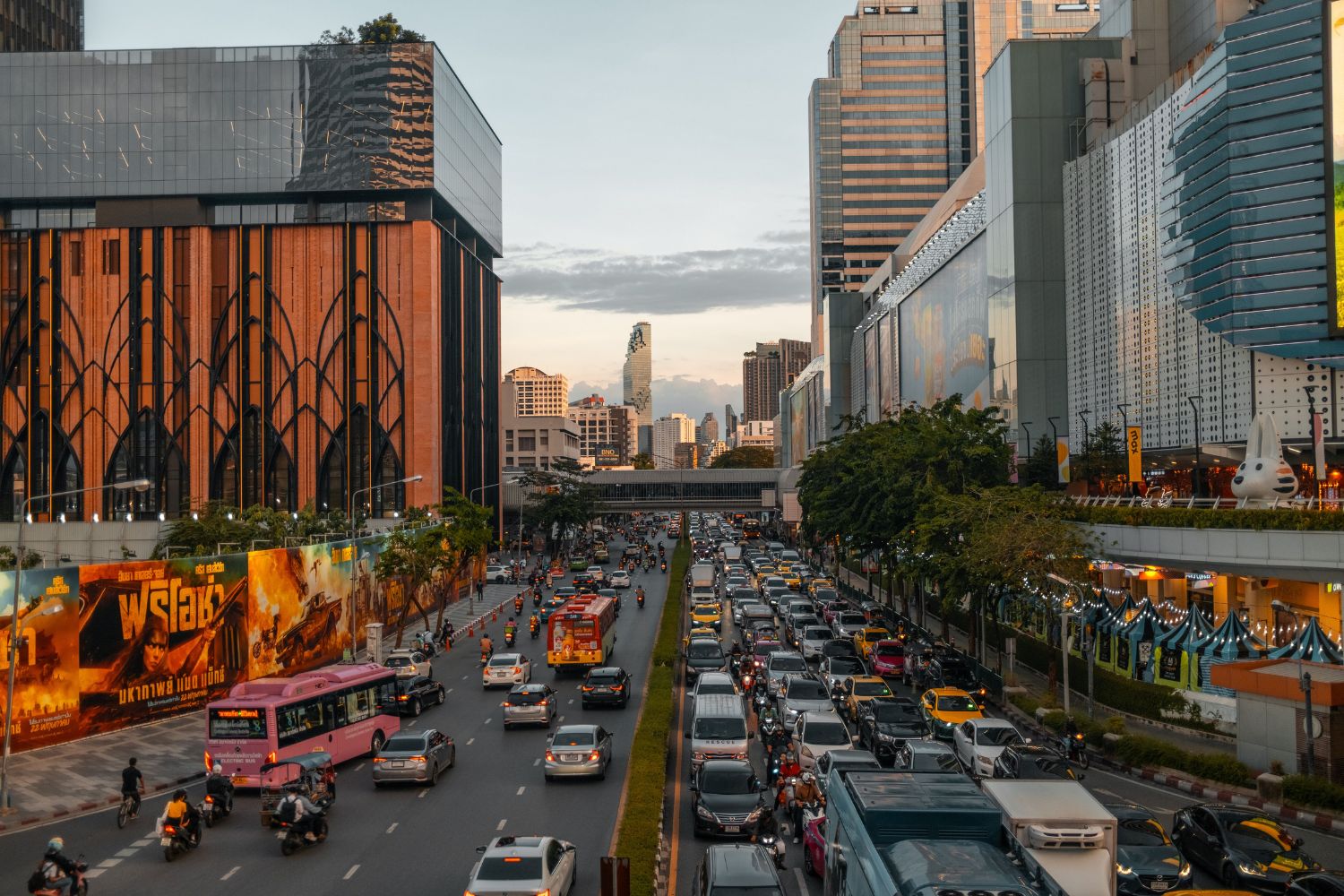
Bangkok Ranks Among World's 10 Most Expensive Cities for Wealthy
Bangkok has been listed among the top 10 most expensive cities globally for high-net-worth individuals to maintain a premium lifestyle, according to the latest Julius Baer Global Wealth and Lifestyle Report. The city joins four other Asia-Pacific locations, underscoring the region's growing prominence as a hub for global affluence.
Bangkok has been ranked among the world's 10 most expensive cities for high-net-worth individuals to maintain a premium standard of living, according to the Julius Baer Global Wealth and Lifestyle Report 2026, published on July 7. The city was one of five Asia-Pacific locations to make the top 10, alongside Singapore, Hong Kong, Shanghai, and Sydney, reflecting the region's continued strength as what the report called a powerhouse of global affluence. Overall, the cost of maintaining a premium standard of living rose by 10.2% globally in US dollar terms over the past year. However, much of the increase was driven by currency movements rather than local price inflation, particularly the strength of the Swiss franc and the euro. The report follows the release of another survey showing that Bangkok is emerging as Southeast Asia’s fastest-growing hub for ultra-high-net-worth (UHNW) individuals. In the Julius Baer survey, Singapore retained its position as the world's most expensive city for the fourth consecutive year, supported by high property and car prices and a strong local currency. Zurich climbed three places to second, while Monaco entered the top three for the first time. Hong Kong fell to fourth and London to fifth. Sydney was the biggest climber in the region, rising six places to eighth on the back of a strong Australian dollar and higher import costs for premium goods. Despite this, average prices across the Asia-Pacific region rose 7.4% in US dollar terms, below the global average. The report also found that gold prices have more than doubled since 2024, pushing up the cost of jewellery by 16.4% and watches by 15.5%. Luxury goods prices rose 12.3% on average worldwide. A separate lifestyle survey conducted for the report found that between 82% and 95% of high-net-worth respondents across all regions were concerned about geopolitical uncertainty, with spending in the Asia-Pacific and Middle East continuing to outpace Europe, North America, and Latin America. Read the full report here.
多角的分析
バンコクが富裕層にとって世界有数の高額都市にランクインしたことは、タイ経済の二極化を浮き彫りにしている。高級品やサービスの価格上昇は、一部の所得層にとっては生活費の負担増を意味する一方、外資系企業や高所得者層にとっては、タイが依然として魅力的な市場であることを示唆している。特に、高級宝飾品や時計の価格高騰は、グローバルなインフレ圧力と、富裕層の消費動向がタイ経済に与える影響の大きさを物語っている。
バンコクが富裕層にとって高額都市トップ10に入ったという事実は、投資家にとって、タイ市場における高級セクターへの投資機会を示唆している。高級不動産、ラグジュアリーブランド、高付加価値サービスへの投資は、成長する富裕層の需要を取り込む可能性がある。しかし、地政学的不確実性への懸念も高まっており、投資家はリスク管理を徹底する必要がある。通貨変動リスクにも注意が必要であり、特に米ドルに対するバーツの動向が、海外からの投資収益に影響を与える可能性がある。
バンコクにおける富裕層向けの高級生活費の高騰は、社会的な所得格差の拡大という側面も持つ。一部の富裕層が高級品やサービスを享受する一方で、一般市民の生活費への影響は無視できない。特に、報告書が指摘する地政学的不確実性への懸念は、富裕層だけでなく、より広範な層に経済的な不安をもたらす可能性がある。高級品の価格上昇は、一般市民の購買力に直接的な影響を与えるため、社会的な不満の火種となることも考えられる。
バンコク市民、特に一般市民にとっては、このニュースは生活実感との乖離を感じさせるものだろう。富裕層向けの高級生活費の上昇は、彼らの日常の買い物やサービス利用に直接的な影響を与えるわけではないかもしれないが、都市全体の物価水準の上昇圧力として間接的に感じられる可能性がある。特に、報告書で言及されている地政学的不確実性への懸念は、将来の雇用や所得への不安として、より多くの市民に共有されていると考えられる。高級品の価格高騰は、社会的な不平等感を増幅させる可能性もある。
背景・歴史的文脈
タイ、特にバンコクにおける富裕層の増加とそれに伴う高級生活費の上昇は、近年の経済成長とグローバル化の進展と深く結びついている。2000年代以降、タイは外国人投資の誘致に力を入れ、製造業やサービス業を中心に経済を拡大してきた。これにより、一部の層に富が集中する傾向が強まった。また、ASEAN経済共同体(AEC)の発足(2015年)は、地域内のヒト・モノ・カネの移動を活発化させ、タイ、特にバンコクを東南アジアのビジネス・金融ハブとしての地位を確立させた。これらが、富裕層の流入と高級品・サービスの需要増を後押しし、結果としてバンコクの高級生活費の上昇につながっていると分析できる。一方で、この経済成長の恩恵は均等ではなく、所得格差の拡大という社会問題も同時に顕在化している。
原文ソース
Bangkok Post