General articles are free for 24 hours after publish.
Vietnam Reconsiders Nuclear Power Program as Long-Term Strategic Mission
Vietnam's Ministry of Science and Technology stated that developing a nuclear power program and peaceful applications of atomic energy is a long-term strategic mission crucial for energy security and scientific-technological capacity. The ministry highlighted three key priorities: implementing legal enforcement, enhancing the national nuclear safety and radiation control agency's capabilities, and developing human resources.
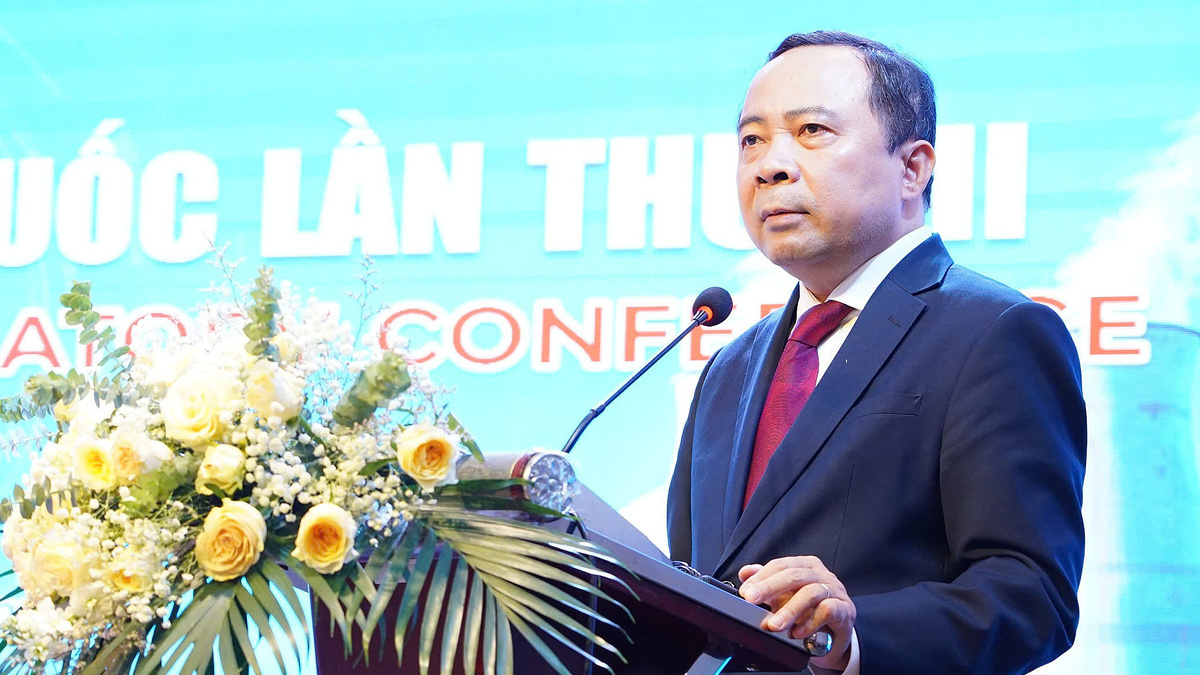
Minister Vũ Hải Quân of the Ministry of Science and Technology stated that Vietnam's deployment of a nuclear power program and the development of peaceful applications of atomic energy represent a long-term strategic mission related to energy security and scientific-technological capacity. He emphasized that success requires a long-term vision, a synchronized legal system, a strong regulatory body, a capable expert team, and a robust safety culture ingrained in all relevant agencies, organizations, and individuals. Minister Quân outlined three key priorities for Vietnam: implementing legal enforcement, enhancing the capacity of the national nuclear safety and radiation control agency, and developing human resources and experience. He proposed that units, experts, and international organizations assess the implementation of atomic energy laws, clarify results, difficulties, and propose policy and legal improvements. Furthermore, he suggested solutions to improve the national nuclear safety and radiation control agency's capabilities in organization, personnel, technology, digital transformation, and international cooperation, with a particular focus on training human resources to meet the demands of the nuclear power program. Karine Herviou, Deputy Director General of the International Atomic Energy Agency (IAEA), praised Vietnam's participation in the IAEA's Regulatory Infrastructure Development Project for the Asia-Pacific region, reflecting the strong and long-standing cooperation between Vietnam and the IAEA. She noted that these efforts demonstrate Vietnam's commitment to enhancing regional capacity and knowledge sharing, contributing not only to national development but also to strengthening radiation and nuclear safety and security within the ASEAN region. Herviou pointed out that as Vietnam pursues its nuclear power development plans and expands peaceful applications of nuclear science and technology, a strong, independent, and capable legal framework is essential. Competent authorities must possess the necessary expertise, resources, and authority to rigorously and effectively implement safety and security requirements. Nguyễn Hoàng Linh, Director General of the Agency for Radiation Safety and Nuclear Control, stated that in the context of restarting the nuclear power program, Vietnam has made progress in refining its legal system and innovating its appraisal and licensing processes towards risk-based management. Domestic teams have also improved their technical capabilities and preparedness for radiation and nuclear incidents. Linh proposed building a modern national radiation and nuclear safety management agency, perfecting the legal system, technical standards, and norms, and enhancing appraisal, inspection, and supervision capabilities. He also stressed the importance of developing high-quality human resources, digital transformation, and modernizing management to meet the requirements of the nuclear power program, contributing to sustainable socio-economic development by 2035 with a vision to 2050. The agency will continue to propose legal improvements and management innovations to facilitate peaceful applications of atomic energy. The National Nuclear Regulatory Conference was attended by over 400 delegates from ministries, local authorities, research institutes, universities, businesses, radiation and nuclear facilities, as well as experts from the IAEA and other international organizations. The conference took place amid significant policy decisions by the Party, State, and Government regarding the restart of the nuclear power program, the promotion of atomic energy development and application, and the enhancement of the nation's scientific and technological potential.
Original source
VnExpress