VP Sara Duterte faces impeachment trial over alleged betrayal of public trust
The impeachment trial of Philippine Vice President Sara Duterte has begun with the opening statement from the House prosecution panel. Allegations of misuse of public funds and remarks suggesting the assassination of the President are cited as 'betrayal of public trust.' Public interest is high, and the trial's outcome is keenly awaited.
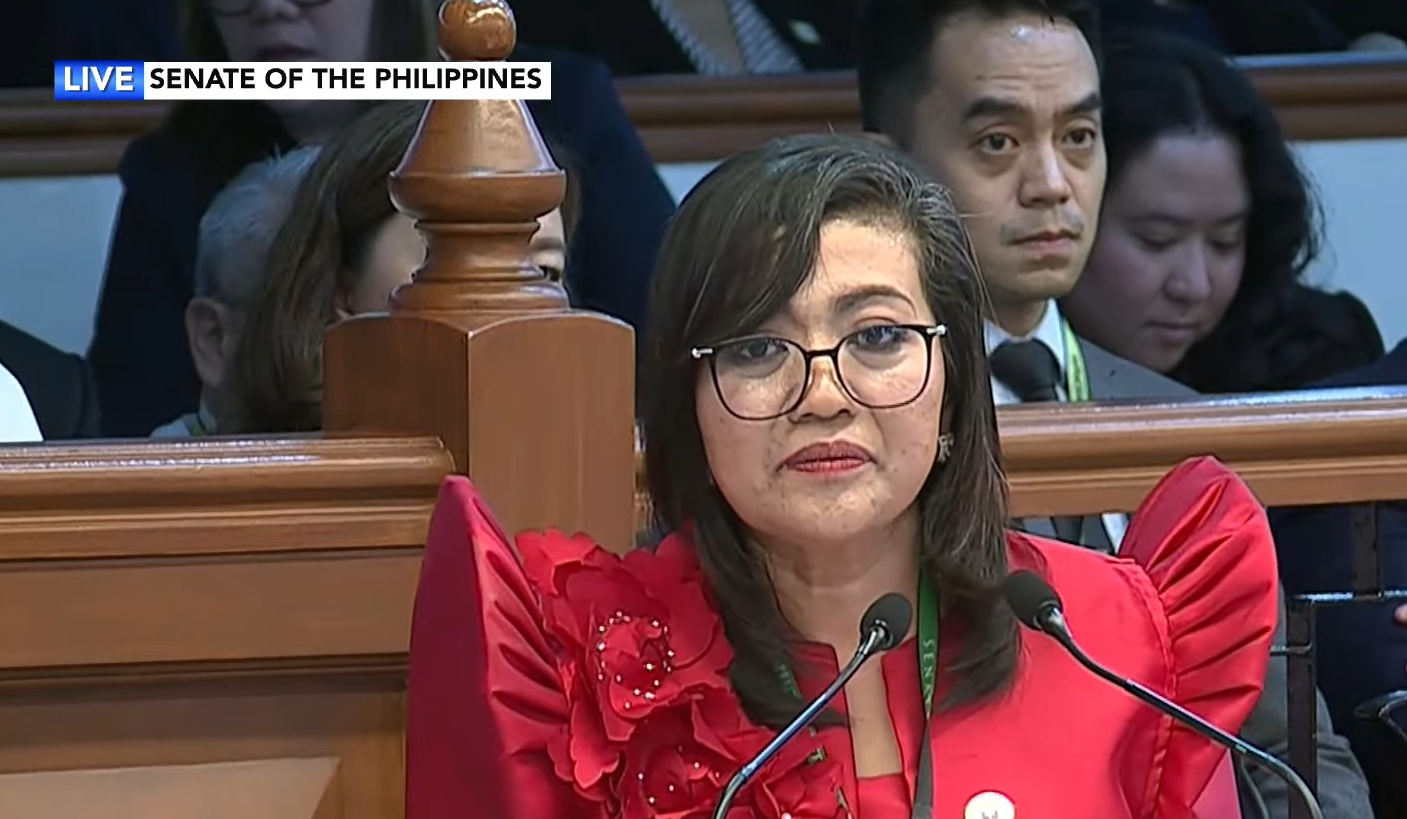
The impeachment trial of Philippine Vice President Sara Duterte commenced before the Senate impeachment court on Monday, with the House prosecution panel delivering its opening statement. The prosecution argued that Duterte betrayed public trust through alleged violence and misuse of public funds. House lead prosecutor Rep. Gerville Luistro stated that in the history of the republic, there has never been a vice president with a hitman as a friend or one willing to have someone killed to secure the presidency, highlighting the unprecedented nature of the accusations. Luistro stressed that the Constitution provides lawful mechanisms for resolving political disputes and does not tolerate threats, violence, or abuses of public power. She emphasized that while the Constitution offers avenues like elections, legislation, and judicial review, it explicitly prohibits threats and violence. The prosecution presented statements made by Duterte during an online press conference in November 2024. In these remarks, she allegedly told an individual to kill President Ferdinand "Bongbong" Marcos Jr., First Lady Liza Araneta-Marcos, and House Speaker Martin Romualdez if she were to be killed. Luistro told the senator-judges that the core of the case is whether public officials remain accountable to the people who entrusted them with power. She asserted that power belongs to the people, public office is merely borrowed, and every borrowed power carries an obligation to account for its use. In addition to the alleged threat against the President, the Articles of Impeachment accuse Duterte of misusing public funds. The prosecution argued that no public official should be exempt from accountability, stating that if a barangay treasurer must account for funds, so must a Vice President. The lead prosecutor warned against creating a system where powerful officials are held to a different standard than ordinary citizens. She concluded by urging the senator-judges to decide the case based on the Constitution, not on politics, popularity, fear, or loyalty. Source: GMA News Philippines
多角的分析
弾劾裁判という政治的混乱は、フィリピン経済に不確実性をもたらし、特に外国からの投資意欲を減退させる可能性がある。副大統領という要職にある人物の訴追は、国内の政治的安定性への懸念を高め、為替レートや株式市場に短期的な変動を引き起こすことも考えられる。公金横領の疑惑は、財政規律への疑念を生み、政府の経済政策実行能力に対する信頼を揺るがす恐れがある。
投資家は、この弾劾裁判の展開を注視するだろう。政治的リスクの高まりは、フィリピン市場からの資本流出を招く可能性がある。特に、副大統領が関与したとされる公金横領の疑惑は、コーポレート・ガバナンスや透明性に対する懸念を増幅させ、新規投資の判断を慎重にさせる要因となる。裁判の結果次第では、特定のセクターへの投資判断に影響が出ることも考えられる。
副大統領の発言は、フィリピン社会における権力者への不信感を増幅させる可能性がある。特に、若年層はSNSを通じてこうした情報を瞬時に共有し、議論を巻き起こすだろう。公金横領の疑惑は、国民の税金がどのように使われているのかという根本的な疑問を投げかけ、貧困層や中間層の生活への影響を懸念させる。また、暴力や脅迫が公職者の間で容認されるという認識が広まれば、社会全体の法治意識を低下させる恐れがある。
マニラ首都圏に住む市民としては、副大統領の弾劾裁判は、日々の生活に直接的な影響を与えるものではないにしても、政治の混乱は物価の上昇や治安の悪化といった形で間接的に影響してくるのではないかと懸念している。特に、公金横領の疑惑は、自分たちが納めた税金が不正に使われているのではないかという不安を掻き立てる。政治家が国民の声に耳を傾け、誠実に職務を遂行してくれることを願うばかりだ。
背景・歴史的文脈
フィリピンにおける弾劾制度は、憲法に基づき、大統領、副大統領、最高裁判所判事、憲法裁判所判事、オンブズマンなどの高官に対する重大な不正行為や反逆罪などの責任を問うための仕組みである。過去にも、ジョセフ・エストラーダ元大統領やレナート・コロナ元最高裁判所長官などが弾劾訴追された事例がある。これらの事例は、フィリピン政治における権力闘争の激しさや、説明責任を巡る国民の関心の高さを浮き彫りにしてきた。今回の副大統領に対する弾劾裁判は、これらの歴史的文脈の中で、権力者の行動規範と国民の期待との乖離が改めて問われる形となっている。
原文ソース
GMA News Philippines