General articles are free for 24 hours after publish.
Vietnam Focuses on Nature Conservation and Disaster Response Amidst Cave Exploration and Wildlife Protection
Vietnam is advancing conservation efforts, including the discovery of new caves in Phong Nha-Ke Bang National Park and the protection of endangered species. Simultaneously, northern regions are grappling with flood disasters. The government is intensifying disaster response while accelerating initiatives for sustainable development and nature preservation.
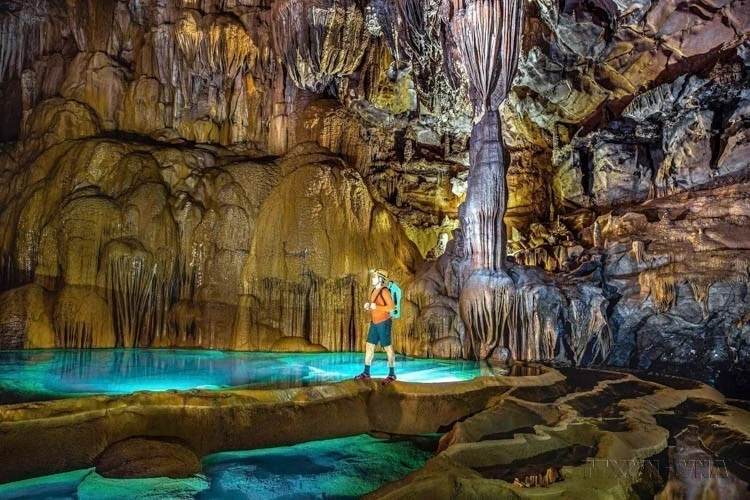
British experts continue to uncover the secrets of Vietnam's "Kingdom of Caves," with ongoing explorations in areas like the Phong Nha-Ke Bang National Park. These efforts not only shed light on geological formations but also contribute to the understanding and conservation of the region's unique biodiversity. Conservation initiatives are actively underway. In Quang Tri province, a stump-tailed macaque (Macaca arctoides) was recently transferred to the Centre for Rescue, Conservation, and Development of Creatures within the Phong Nha-Ke Bang National Park. The aim is to rehabilitate the animal and eventually release it back into its natural habitat. This reflects a broader commitment to wildlife protection across the country. The Phong Nha-Ke Bang National Park itself is a significant site for discovery. A cave located between Voi (Elephant) Cave and Ma Da Lake within the park’s strictly protected zone has been documented. This cave stretches approximately 3,000 meters in length with an average width of 70 meters, featuring several chambers that extend beyond 100 meters. It possesses two entrances leading to distinct branches, with the main entrance being about 5 sq.m and the exit narrow. Efforts to protect endangered species are paramount. The Sunda pangolin (Manis javanica), classified under Group IB of Vietnam's protected wildlife list, is a species prioritized for conservation. Circular No. 85/2025/TT-BNNMT, issued by the Ministry of Agriculture and Environment, details its protection status. The park has also launched a large-scale wildlife rewilding program in its core zone, a significant step in its long-term nature restoration strategy, supported by Save Vietnam’s Wildlife (SVW). Addressing environmental pollution is another key focus. Specialists advocate for a comprehensive strategy to tackle plastic pollution, moving beyond waste collection and recycling to encompass product design, material selection, production, consumption, and end-of-life management. This shift is driven by the increasing importance of sustainable development and green trade standards in the global economy. In line with its international commitments, Vietnam is also implementing projects to reduce emissions. The Reduction of Emissions in the Central Highlands and South Central Coast of Vietnam (RECAF) project, scheduled from 2026 to 2031, aims to decrease HCFC consumption by 97.5% and HFC consumption by 10% from their baselines. This project spans approximately 145,000 hectares across Dak Lak, Gia Lai, Lam Dong, and Khanh Hoa provinces. However, Vietnam continues to face challenges from severe weather events. Recent flash floods and landslides in northern provinces like Lai Chau have resulted in fatalities and injuries. In response, the Prime Minister has directed ministries, sectors, and local authorities to rigorously implement disaster prevention and response measures, ensuring timely warnings and preparedness for local communities. This includes adhering to directives from Party General Secretary and State President To Lam. These diverse initiatives—from exploring natural wonders to protecting wildlife, combating pollution, and enhancing disaster resilience—demonstrate Vietnam's multifaceted approach to sustainable development and environmental stewardship. The nation's progress in these areas is vital for its long-term economic stability and its standing in the international community. Source: VietnamPlus English
Original source
VietnamPlus English