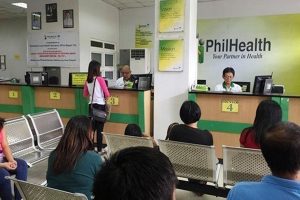
PhilHealth Benefit Tiering Sparks Debate in Philippines
Society
2026年7月15日
3
BusinessWorld Nation

PhilHealth Benefit Tiering Sparks Debate in Philippines

AI サマリー

A proposal to tier Philippine Health Insurance Corp. (PhilHealth) benefits based on premium contributions has drawn strong opposition from public sector labor groups, who argue it undermines universal healthcare by creating unequal access. Concerns are raised about potential disparities in medical access between wealthier and poorer segments of society.

LABOR GROUPS in the public sector on Wednesday opposed Executive Secretary Ralph G. Recto’s proposal to introduce a tiered benefit system under the Philippine Health Insurance Corp. (PhilHealth), warning it could undermine universal healthcare by creating unequal access. In a joint statement, the Public Services Labor Independent Confederation and the National Public Workers Congress (PUBLIK) said the proposal weakens the principles of solidarity, equity and shared responsibility that underpin the country’s social health insurance system. Mr. Recto floated the expanded benefit scheme in a June 19 interview over DZRH following a viral social media post about a longtime PhilHealth member whose family allegedly failed to claim benefits after his death. He said the proposal would give direct contributors benefit packages commensurate with the premiums they pay, arguing that members who regularly contribute should receive expanded benefits. He also said the Universal Health Care Act allows different benefit packages for direct and indirect contributors. The Office of the Executive Secretary did not immediately respond to an e-mail seeking comment. “Health is a right — not a privilege determined by one’s capacity to pay,” the groups said, arguing that a tiered benefit system would favor regular premium-paying members while placing indirect contributors at a disadvantage. The groups urged the government to restore and protect PhilHealth funds, fulfill its obligation to subsidize indirect contributors, including the poor, senior citizens, persons with disabilities and informal workers, and invest in a stronger publicly funded health system. “PUBLIK rejects reforms that divide our people, worsen inequality, and commodify health care,” the groups said, urging the government to expand health benefits for all rather than create separate benefit tiers. This issue highlights the challenges in achieving universal healthcare in the Philippines, forcing the government to navigate a difficult balance between maintaining a national health insurance system and ensuring equitable medical services for diverse income groups.

多角的分析

経済的影響

PhilHealthの給付体系階層化案は、直接加入者と間接加入者間での医療サービスへのアクセス格差を拡大させる可能性があり、経済的弱者の医療負担を増加させるリスクを孕む。これは、フィリピン経済における所得格差の是正という政府の目標と矛盾する可能性がある。また、公的医療保険制度の持続可能性を維持するためには、保険料収入の安定化と効率的な資金運用が不可欠であり、階層化が保険料支払いのインセンティブとして機能するかどうかも経済的観点から注視する必要がある。

投資家心理

PhilHealthの給付体系見直しは、直接的な投資機会に影響を与えるものではないが、フィリピンの社会保障制度の安定性に対する投資家の信頼感に間接的な影響を与える可能性がある。ユニバーサルヘルスケアの理念が損なわれるような制度変更は、社会的不安を増大させ、長期的な経済成長への懸念材料となり得る。結果として、国内消費や労働生産性への影響が懸念される場合、投資家はフィリピン市場への投資判断において慎重になる可能性がある。

社会的影響

この提案は、フィリピン社会における健康格差をさらに深刻化させる懸念がある。特に、貧困層や非正規労働者など、経済的に脆弱な立場にある人々が、これまで享受してきた医療サービスへのアクセスを失う、あるいは限定される可能性がある。これは、マニラ首都圏の限られた公立病院に依存する多くの低所得者層にとって、生活に直結する重大な問題となる。また、SNSでの情報拡散が社会的な議論を呼ぶ現象は、フィリピンの市民社会が公共政策に対して声を上げる手段として、その影響力を増していることを示唆している。

市民の声

PhilHealthの給付体系が保険料によって分断されることは、これまで「皆保険」という安心感で支えられてきた多くの市民にとって、将来への不安を増大させる。特に、低所得者層や非正規雇用で働く人々の間では、「病気になったら十分な医療を受けられないのではないか」という切実な声が上がるだろう。地方都市の住民は、都市部への医療アクセスも限られるため、この制度変更がもたらす影響はより深刻になると考えられる。社会保障の公平性が問われている。

背景・歴史的文脈

フィリピンにおけるユニバーサルヘルスケア(UHC)は、2019年に成立したユニバーサルヘルスケア法に基づき、すべて国民に生涯にわたる健康サービスを提供することを目指している。同法は、PhilHealthをUHCの主要な実施機関と位置づけ、直接加入者(所得税を納める労働者など)と間接加入者(貧困層、高齢者、非正規労働者など、政府が保険料を補助する人々)の両方を網羅している。しかし、PhilHealthは慢性的な資金不足や不正請求の問題を抱えており、制度の持続可能性が常に議論の的となっている。今回の給付体系階層化案は、こうした制度的課題と、限られた財源の中でいかに公平かつ効果的に医療サービスを提供するかというジレンマの中で浮上したものである。

原文ソース

BusinessWorld Nation

原文を読む