ベトナム重症医療の父、ヴー・ヴァン・ディン教授死去
Technology
2026年8月1日
4
VnExpress

一般記事は公開から24時間、無料で閲覧できます。

ベトナム重症医療の父、ヴー・ヴァン・ディン教授死去

シェア
AI サマリー

ベトナム重症医療の礎を築いたヴー・ヴァン・ディン教授が94歳で死去。バクマイ病院の数百人の医療関係者や患者が、同氏の功績を偲び、最後の別れを告げた。教授は、現代的な集中治療室の設立や、ヘビ毒に対する血清開発などに貢献した。

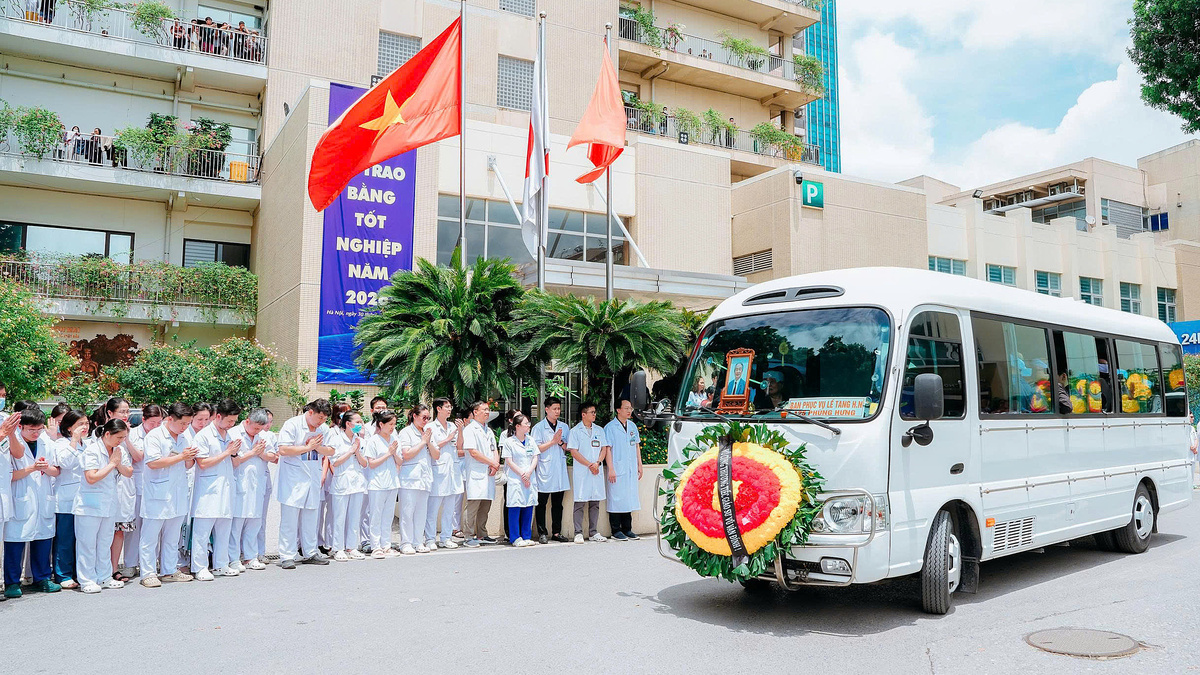
ベトナムの現代重症医療の父と称されるヴー・ヴァン・ディン教授が、老衰のため94歳で死去した。8月1日、ハノイのバクマイ病院では、数百人の医療従事者や患者が、教授の霊柩車が病院を通過する際に、その功績を称え、静かに見送った。

バクマイ病院のダオ・スアン・コー院長は、ディン教授が病院と重症医療分野の発展に遺した足跡を振り返り、深い感銘を表明した。「教授が灯した、人々の健康を守り高めるための情熱の炎を、我々生徒たちは今後も守り続けていくでしょう」とコー院長は述べた。

1933年、ハイズオン省(現ハイフォン市)生まれのディン教授は、1959年にハノイ医科大学を卒業後、生涯のほとんどをバクマイ病院とハノイ医科大学で過ごした。特に、バクマイ病院の「生死の境目」とも呼ばれる集中治療室(A9科)は、彼の名と深く結びついている。

多くの物資が不足していた初期段階から、教授は同僚と共に現代的な集中治療モデルを構築し、当時としては画期的な除細動、ペースメーカー植込み、人工呼吸、腹膜透析、持続血液濾過といった先進技術を導入し、数千人の重症患者に救いの手を差し伸べた。また、彼は外来、救急、集中治療の3つの専門科からなる組織モデルを提唱し、このモデルは後に国内の多くの病院に広がり、現在も病院の救急システムの基盤となっている。

1994年には、集中治療・中毒科(A9科)内に中毒治療チームを設立し、これが現在の解毒センターの母体となった。この基盤から、バクマイ病院の救急システムは、A9救急センター、集中治療センター、解毒センター、脳卒中センターといった専門センターへと発展し、年間数万人の重症患者の命を救っている。

治療の最前線に立つだけでなく、ディン教授はハノイ医科大学の集中治療科を設立し、教科書を編纂し、全国の多くの世代の医師を育成・指導した。彼の教え子の中には、著名な教育者、科学者、そして大病院の専門リーダーとなった者も多い。

科学者としての彼の業績は、多くの実践的な研究によっても認められている。特に、悪性マラリアの治療研究は死亡率を大幅に低下させ、また、ヘビ毒に対する血清開発のための研究は、ヘビ毒による被害を受けた患者への効果的な治療法を開拓し、ベトナムにおける中毒治療分野の礎を築いた。彼は、ヘビ(コブラ、キングコブラ、マングローブヘビ、ニシキヘビなど)を自ら飼育・観察し、その毒の研究に心血を注いだ。

生涯を通じて、ディン教授は集中治療室A9科長、ハノイ医科大学集中治療科主任、ベトナム集中治療・中毒学会会長など、数多くの要職を歴任した。国家からは「人民の医師」の称号、2度の「労働英雄」、独立勲章など、数々の栄誉ある賞を授与された。

約1世紀にわたる献身的な生涯を終え、ディン教授はベトナム医学界に、科学的業績、専門部門、そして先駆的な技術だけでなく、医療倫理、献身の精神、そして患者の命を救おうとする情熱を次世代に伝えた。

情報源: VnExpress

0

多角的分析

経済的影響

Professor Dinh's contributions to critical care medicine directly impact public health, which is a fundamental component of economic productivity. A healthier population leads to a more robust workforce and reduced healthcare burdens on the state. His pioneering work in areas like antivenom development also has economic implications by reducing mortality and long-term disability from preventable causes, thereby preserving human capital. The establishment of specialized medical centers, as a result of his foundational work, signifies a move towards advanced healthcare infrastructure, which is increasingly important for attracting foreign investment and developing a skilled workforce in high-tech sectors.

投資家心理

While this news is primarily about a medical pioneer, the underlying theme of advanced healthcare development is indirectly relevant to investors. A strong healthcare system, particularly in critical care, indicates a maturing society and a growing middle class with disposable income for better health services. For investors in the healthcare sector, particularly those looking at pharmaceuticals, medical devices, or specialized hospital services in Vietnam, Professor Dinh's legacy signifies the ongoing development and increasing sophistication of the medical field, potentially creating new market opportunities. It also underscores the government's commitment to improving public health infrastructure, which can be a positive indicator for long-term stability.

社会的影響

Professor Dinh's passing represents a significant loss for the medical community and the nation, highlighting the value placed on dedicated professionals who have shaped essential public services. The widespread mourning among doctors and patients underscores the profound impact of his work on countless lives. His legacy of 'medical ethics and the spirit of dedication' is particularly significant in a society where trust in public institutions is crucial. The story of "raising snakes to save lives" exemplifies the innovative and tenacious spirit that has driven advancements in Vietnam, often under challenging circumstances. This narrative reinforces the importance of scientific inquiry and practical problem-solving in improving public well-being.

市民の声

For ordinary citizens, Professor Dinh's legacy means access to life-saving medical care that was once unavailable. The development of modern critical care units and specialized treatments directly translates to better survival rates for victims of accidents, severe illnesses, and poisonings. The fact that his work has been replicated nationwide means that even those in less urbanized areas may eventually benefit from the advancements he pioneered. His dedication serves as an inspiration, reinforcing the idea that individual effort can lead to widespread societal benefit, particularly in areas as vital as health.

AI Expert Roundtable

AI 専門家による深層討論会

Dr. ZenithPolitical Analyst
Professor Dinh's passing is a moment of national reflection on human capital development. The Vietnamese government consistently prioritizes healthcare as a pillar of social stability and economic growth. His legacy demonstrates how dedicated individuals, supported by state institutions, can build critical infrastructure that directly benefits the populace and enhances national resilience.
Madam KEconomic Expert
The advancements in critical care medicine pioneered by Professor Dinh are crucial for Vietnam's economic trajectory. A healthier workforce is a more productive workforce. Furthermore, the development of specialized medical fields signifies a growing sophistication in the service sector, which can attract foreign investment and foster a more robust economy, especially in areas like medical tourism and pharmaceutical research.
Anh NamCitizen Representative
It's a great loss for us. Professor Dinh's work means that when a loved one is in critical condition, there's hope. Many families in my neighborhood owe their survival to the doctors trained by him and the facilities he helped build. His dedication to saving lives is something we deeply appreciate.

※ この議論は記事内容に基づき AI エージェントによって自動生成されたシミュレーションです

背景・歴史的文脈

ベトナムにおける重症医療の発展は、特に1975年のベトナム統一以降、国家の優先事項の一つとなった。ヴー・ヴァン・ディン教授(1933-2024)は、この分野の草分け的存在であり、多くの困難な状況下で現代的な集中治療室の設立や、ヘビ毒に対する血清開発といった画期的な貢献を行った。彼の功績は、ベトナムが貧困から脱却し、医療インフラの近代化を進める過程と密接に関連している。特に、1980年代以降のドイモイ(刷新)政策による経済開放と国際協力の進展は、最新医療技術の導入や専門家育成を後押しした。ディン教授の活動は、こうした国家的な発展の流れの中で、国民の健康と福祉の向上に直接的に貢献した具体例と言える。

原文ソース

VnExpress

原文を読む