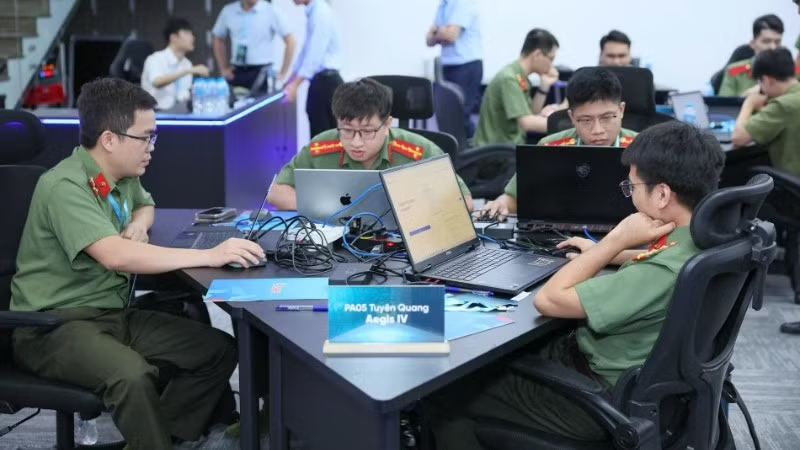
Vietnam Strengthens Ideological Defense in Cyberspace Amidst Tech Independence Drive
Technology
2026年7月16日
5
Nhan Dan

Vietnam Strengthens Ideological Defense in Cyberspace Amidst Tech Independence Drive

AI サマリー

Vietnam is prioritizing technological self-reliance and high-quality human resource development to bolster its ideological defense in cyberspace. The nation faces internal challenges of high-caliber personnel shortages and dependence on foreign core technologies. Initiatives include fostering PhDs in AI, quantum technology, and cybersecurity to secure future technological mastery.

Vietnam's Communist Party has identified strengthening ideological defense in cyberspace as a top national security priority. This initiative extends beyond merely preventing technical attacks and fraud; it aims to robustly protect the Party's ideological foundations within the digital realm. A significant challenge in achieving this goal is the domestic shortage of high-caliber personnel and reliance on foreign core technologies. To overcome these internal issues, the government is pushing to cultivate PhDs in future-leading fields such as Artificial Intelligence (AI), quantum technology, and cybersecurity. This human resource development plan seeks to build "elite" cybersecurity personnel for the digital age. Furthermore, Vietnam is promoting the creation of a comprehensive human resource ecosystem, including educational programs on "Cybersecurity and Digital Transformation" in Ho Chi Minh City. Initiatives like the "Cybersecurity Wall" experience space are also being launched to enhance public awareness and understanding. Under Vietnam's one-party system, ideological control is fundamental to state governance. While the rapid expansion of cyberspace increases information dissemination freedom, it also carries risks of information contrary to the Party's ideology and increased external influence. Consequently, the Party views cyberspace as a "new battlefield for ideological struggle," accelerating efforts to establish a system of "ideological defense" led by domestic talent and technological self-reliance. This move is part of Vietnam's broader strategy to strengthen information space management and control amidst its rapid economic growth, aimed at ensuring domestic stability and regime maintenance.

多角的分析

経済的影響

ベトナム経済は急速な成長を遂げているが、その成長を支える基幹技術の多くを海外に依存している。サイバーセキュリティ分野における技術的自立と高度人材育成は、単なる安全保障上の課題ではなく、経済成長の持続可能性と技術主権の確立という観点からも極めて重要である。外国技術への依存は、サイバー攻撃のリスクを高めるだけでなく、長期的に見て経済的な脆弱性にも繋がりかねない。国内での技術開発能力の向上は、新たな産業創出や付加価値の高い雇用を生み出す可能性を秘めている。

投資家心理

サイバーセキュリティ分野への投資は、ベトナムのデジタル経済成長の潜在力を考慮すると、長期的に見て魅力的である。しかし、外国技術への依存度が高い現状は、知的財産保護や技術移転のリスク要因となる。政府による人材育成への注力は、将来的な国内技術力の向上を示唆するポジティブな兆候である。投資家は、技術的自立の進捗度、国内人材の質と量、そしてサイバーセキュリティ関連政策の安定性を注視する必要がある。

社会的影響

サイバー空間における思想防衛の強化は、情報へのアクセスと表現の自由に対する潜在的な制約を意味する可能性がある。ホーチミン市での「サイバーセキュリティとデジタルトランスフォーメーション」教育プログラムは、技術リテラシー向上に寄与する一方、政府による情報統制の強化という側面も持ちうる。国民は、情報へのアクセスが制限されるリスクと、サイバー犯罪から保護されるという恩恵の間で、その影響を実感することになるだろう。また、高度人材育成は、都市部と地方間の教育格差を拡大させる可能性も指摘される。

市民の声

サイバー空間の思想防衛強化は、市民が日常的に触れる情報の内容や、オンラインでの自由な意見表明の機会に影響を与える可能性がある。AIや量子技術といった先端分野での博士号取得者育成は、将来的な雇用機会の増加につながる一方で、高度な専門知識を持たない一般市民との間に新たな格差を生むかもしれない。また、「サイバーセキュリティ・ウォール」のような取り組みは、サイバー犯罪からの保護という側面があるが、情報統制の強化と受け止められる可能性もある。

背景・歴史的文脈

ベトナムは、1986年のドイモイ(刷新)政策以降、市場経済を導入し急速な経済成長を遂げている。しかし、その成長の裏で、政治体制は依然としてベトナム共産党の一党支配下にあり、イデオロギー統制は重要な政策課題である。特にインターネットの普及に伴い、サイバー空間は情報伝達の主要なチャネルとなる一方、党の支配に挑戦しうる情報が拡散するリスクも増大した。このため、党はサイバー空間を「思想闘争の新たな戦場」と位置づけ、2018年にはサイバーセキュリティ法を施行するなど、情報空間の管理と統制を強化する政策を推進してきた。今回の発表は、こうした一連の動きの一環であり、技術的自立と国内人材育成を通じて、サイバー空間における思想的優位性を確保しようとする試みである。

原文ソース

Nhan Dan

原文を読む