LRT-2 Embraces Cashless Commuting with Digital Payment System Launch
Technology
2026年7月14日
3
Philstar Nation

LRT-2 Embraces Cashless Commuting with Digital Payment System Launch

AI サマリー

The Light Rail Transit Line 2 (LRT-2) in the Philippines has achieved cashless operations across all 13 stations with the launch of a contactless payment system. This allows commuters to use credit/debit cards and mobile wallets, enhancing travel convenience.

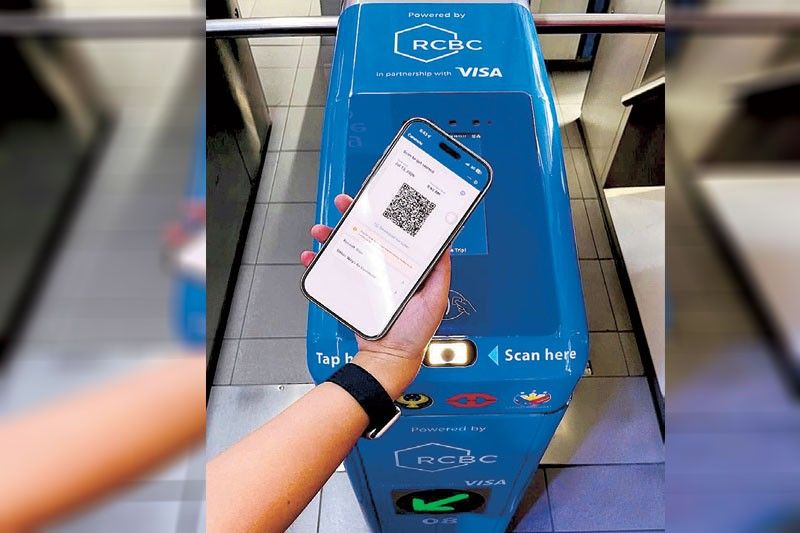
MANILA, Philippines — Commuters can now pay for trips across all 13 stations of the Light Rail Transit Line 2 (LRT-2) using contactless bank cards, mobile wallets or GCash QR as the government launched yesterday a digital fare system that could be expanded to major transit lines nationwide. The proof-of-concept project, launched by the Department of Transportation, Light Rail Transit Authority and Rizal Commercial Banking Corp. (RCBC), allows passengers to use Visa or Mastercard debit, credit and prepaid cards at designated fast lane gates at the LRT-2. The system also supports near field communication-enabled mobile wallets such as Google Pay, eliminating the need to purchase or reload a separate transit card. The platform is expected to serve more than 160,000 LRT-2 passengers daily, equivalent to over 58.7 million commuters per year. Visa estimates that open-loop contactless payment systems can increase public transport ridership by as much as 10 percent. Bangko Sentral ng Pilipinas Deputy Governor Mamerto Tangonan said the pilot would produce “the data, the lessons and the confidence we need to scale.” RCBC is offering a P1 fare cashback promotion from July 13 to 31. Eligible RCBC cardholders will initially be charged the regular fare, after which cashback will reduce the cost to P1 per ride. The government is also targeting the rollout of the contactless fare payment system on LRT-1 this year. Technical preparations for the LRT-1 are being finalized, with the system expected to be launched soon.

多角的分析

経済的影響

LRT-2におけるデジタル決済システムの導入は、フィリピンの公共交通機関におけるキャッシュレス化推進の重要な一歩である。これにより、取引コストの削減、不正利用の抑制、そしてより効率的な運賃徴収が期待できる。また、Visaの試算にあるように、利便性の向上は乗客数の増加にもつながり、鉄道事業者の収益改善に寄与する可能性がある。さらに、このシステムから得られる利用データは、将来的なインフラ投資やサービス改善のための貴重な情報源となる。

投資家心理

このデジタル決済システムの導入は、フィリピンのフィンテック分野への投資機会を示すものである。RCBCのような銀行だけでなく、VisaやMastercardといった国際的な決済ネットワーク、そしてGoogle Payのようなモバイルウォレットプロバイダーにとっても、新たな市場拡大のチャンスとなる。特に、公共交通機関という大規模なインフラへの応用は、これらの企業にとって安定した収益源の確保につながる可能性がある。

社会的影響

LRT-2のキャッシュレス化は、マニラ首都圏の通勤者にとって、日々の移動における煩わしさを軽減する。特に、現金を持ち歩く必要がなくなり、紛失のリスクが減ることは、多くの利用者にとって安心材料となる。また、モバイルウォレットの利用は、スマートフォンを日常的に利用する若年層にとって親和性が高く、公共交通機関の利用促進にもつながるだろう。一方で、デジタルデバイド(情報格差)により、スマートフォンやクレジットカードを持たない層への配慮も今後の課題となる可能性がある。

市民の声

マニラ首都圏の通勤者たちは、LRT-2での移動がよりスムーズになることを期待している。特に、ラッシュアワー時の切符購入やチャージの列に並ぶ必要がなくなることは、時間短縮に大きく貢献するだろう。モバイルウォレットで気軽に支払えるようになれば、現金を持ち歩くことへの不安も軽減される。しかし、一部の利用者は、新たなシステムへの対応や、カードやスマートフォンの紛失・盗難に対する懸念を抱くかもしれない。

背景・歴史的文脈

フィリピンでは、マニラ首都圏を中心に人口が集中しており、公共交通機関の混雑が慢性的な課題となっている。過去には、交通渋滞の緩和や公共交通機関の利便性向上を目指し、MRT-3やLRT-1、LRT-2といった鉄道網の整備が進められてきた。近年、フィリピン政府はデジタル化を国家戦略の一つとして掲げ、金融分野を中心にキャッシュレス決済の普及を推進している。今回のLRT-2におけるデジタル運賃システム導入は、こうした国家的なデジタル化の流れと、公共交通インフラの近代化という二つの側面が融合した取り組みと言える。

原文ソース

Philstar Nation

原文を読む