Bangsamoro voters get mock poll taste of elections, but awareness gaps linger
Politics
2026年7月3日
5
Rappler Philippines

Bangsamoro voters get mock poll taste of elections, but awareness gaps linger

AI サマリー

Ahead of the historic first regional parliamentary elections in the Bangsamoro Autonomous Region in Muslim Mindanao (BARMM) in September 2026, voters participated in a mock election and public forum. While understanding of the electoral process improved, significant awareness gaps persist regarding voting procedures and the selection of the chief minister.

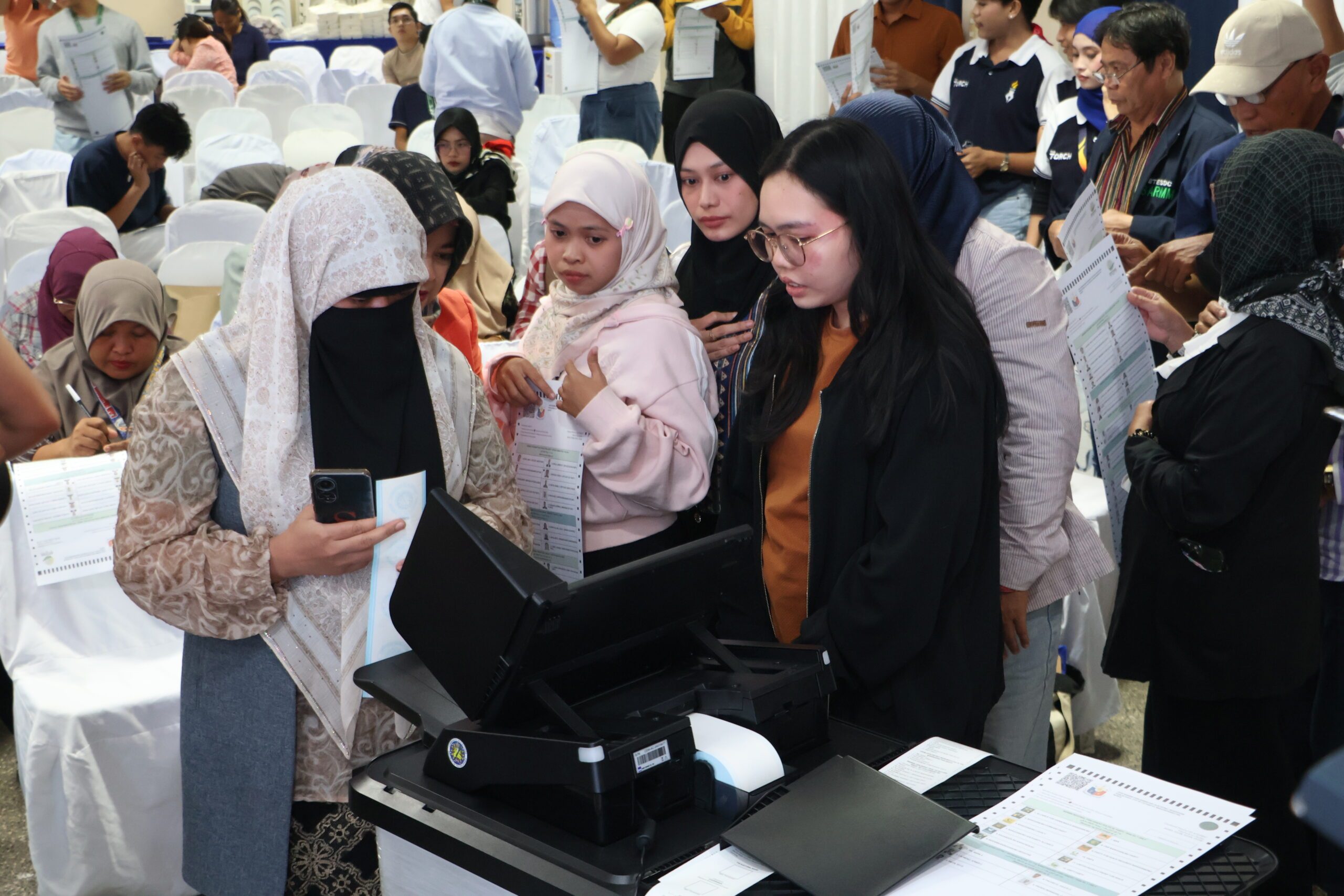
COTABATO CITY, Philippines – Voters in the Bangsamoro Autonomous Region in Muslim Mindanao (BARMM) gained their first practical experience with the electoral process through a mock election and public forum held on June 9 at Notre Dame University (NDU) in Cotabato City. Organized by Rappler in partnership with the Commission on Elections (Comelec), the event aimed to familiarize over 100 Bangsamoro voters with the upcoming historic first regional parliamentary elections scheduled for September 2026. Comelec Spokesperson John Rex Laudiangco provided an orientation on the voting process, explaining who voters would be electing and how their votes function within the parliamentary government. Participants then engaged in a simulated election using sample ballots designed with fictitious candidates but mirroring the official layout and design for election day. For many attendees, the mock election offered a clearer understanding of the mechanics of the region's inaugural parliamentary polls. Apple Dadang, the forum's host, expressed in the Rappler app's chat room that the forum "enlightened my mind on what [I should] look [for in the] upcoming elections, and [it] added confidence to the election process." Bea Abelardo, another participant, stated that the forum encouraged her to become a more discerning voter by evaluating political parties based on their platforms and track records. However, discussions during the forum also highlighted persistent gaps in voter awareness across the region. Laudiangco cited a survey indicating that 89.1% of the BARMM population are unaware of the voting process, particularly parliamentary districts, and 85.9% did not know they are not voting for a chief minister. Saudii Daud, Mindanao desk editor of S’bang Ka Mindanao, a digital news platform, noted, "Many voters still do not fully understand how the parliamentary election works in the BARMM. If you ask people in local communities, only a few truly know that we will not be voting directly for the chief minister. We are not voting for the chief minister but for political parties. Very few people really understand how the parliamentary voting system works. And that is one of the challenges we see." Disinformation and access to information were also identified as significant challenges. Daud warned, "One of the major threats is disinformation and misinformation. Especially now that social media is widely used, people can easily be manipulated by false or misleading information, particularly if they are not well-informed and do not know how to cross-check, fact-check, or verify information." Jennevie Paguilidan Cornelio of Inged Fintailan echoed the concern about accessing correct information, noting it as a challenge for both the non-Moro indigenous communities and the general populace, given the novelty of a regional parliamentary election. The region's parliamentary elections have been postponed four times, leading to public uncertainty about their realization. Drema Quitayen-Bravo, station manager of Notre Dame Broadcasting Corporation, highlighted that repeated delays have fueled public uncertainty and eroded trust. Neil John Martin of iDEFEND Mindanaw warned that continued postponements might lead voters to lose interest. Nevertheless, Comelec reassured the public that the September 2026 elections are highly likely to proceed, as no bill seeking further postponement is currently pending in Congress. Laudiangco detailed Comelec's preparations, including the deployment of 6,440 automated counting machines across 5,212 voting precincts and the printing of 2.3 million ballots. As the elections move forward, panelists raised concerns and hopes for a peaceful and secure electoral process. Abdulnasser Bagundang, an NDU faculty member, emphasized the need for a military presence in the "hotspot area" to ensure voter security and protect the integrity of the election.

多角的分析

経済的影響

BARMM地域における初の議会選挙は、地域経済の安定と発展に影響を与える可能性がある。選挙プロセスへの国民の理解不足は、結果として政策決定の不確実性を招き、投資家心理を冷え込ませるリスクがある。特に、インフラ開発や雇用創出といった経済政策に関する有権者の関心が高まれば、将来的な経済成長の方向性がより明確になるが、現状ではその基盤となる情報共有に課題がある。

投資家心理

BARMM地域における選挙の遅延や不確実性は、外国および国内投資家にとってリスク要因となる。特に、インフラ開発や天然資源開発に関心を持つ投資家は、政治的安定性と予測可能性を重視する。今回の模擬投票は有権者の意識向上に寄与するものの、依然として残る情報格差は、投資判断における不確実性を増大させる可能性がある。今後の選挙プロセスが円滑に進み、明確な統治体制が確立されるかどうかが、投資環境の鍵となる。

社会的影響

BARMM地域における有権者の意識格差は、民主的な意思決定プロセスにおける根本的な課題である。特に、首相選出プロセスや地域議会の役割に関する知識不足は、有権者が自身の権利を行使し、地域社会の発展に貢献する能力を制限する。偽情報や誤報への脆弱性は、社会的な分断を深める可能性もあり、情報リテラシー教育の重要性が改めて示唆される。非モロ先住民コミュニティや、情報にアクセスしにくい層への配慮が不可欠である。

市民の声

BARMM地域の有権者、特に模擬投票に参加した人々は、選挙プロセスへの理解が深まったと語っている。しかし、Comelecの調査が示すように、多くの住民、特に地方コミュニティでは、議会制民主主義の仕組みや首相選出方法についての知識が不足している。これは、有権者が自身の投票権を効果的に行使することを妨げ、政治への関心を低下させる可能性がある。偽情報への懸念も、有権者が情報源を慎重に判断する必要性を示唆している。

背景・歴史的文脈

フィリピン南部ミンダナオ島におけるイスラム系住民の自治権拡大を目指す長年の和平プロセスの一環として、バンサモロ自治地域(BARMM)は2019年に設立された。当初2022年5月に予定されていた初の地域議会選挙は、和平合意の履行遅延や地域情勢の不安定さなどを理由に、これまで4度にわたり延期されてきた。今回の模擬投票は、この度ようやく2026年9月に設定された選挙に向けた、有権者の理解促進と、地域特有の政治文化や情報伝達の課題を浮き彫りにする試みである。

原文ソース

Rappler Philippines

原文を読む