Jokowi's 'Buffalo Head Stomp' Ritual: PDIP Denies Connection
Indonesian President Joko Widodo's participation in a ritual involving stepping on a buffalo head during a political visit to Lampung has drawn a response from the ruling PDI-P party, which emphasized its lack of connection as the symbol is not a buffalo. The President received an honorary title from the local community.
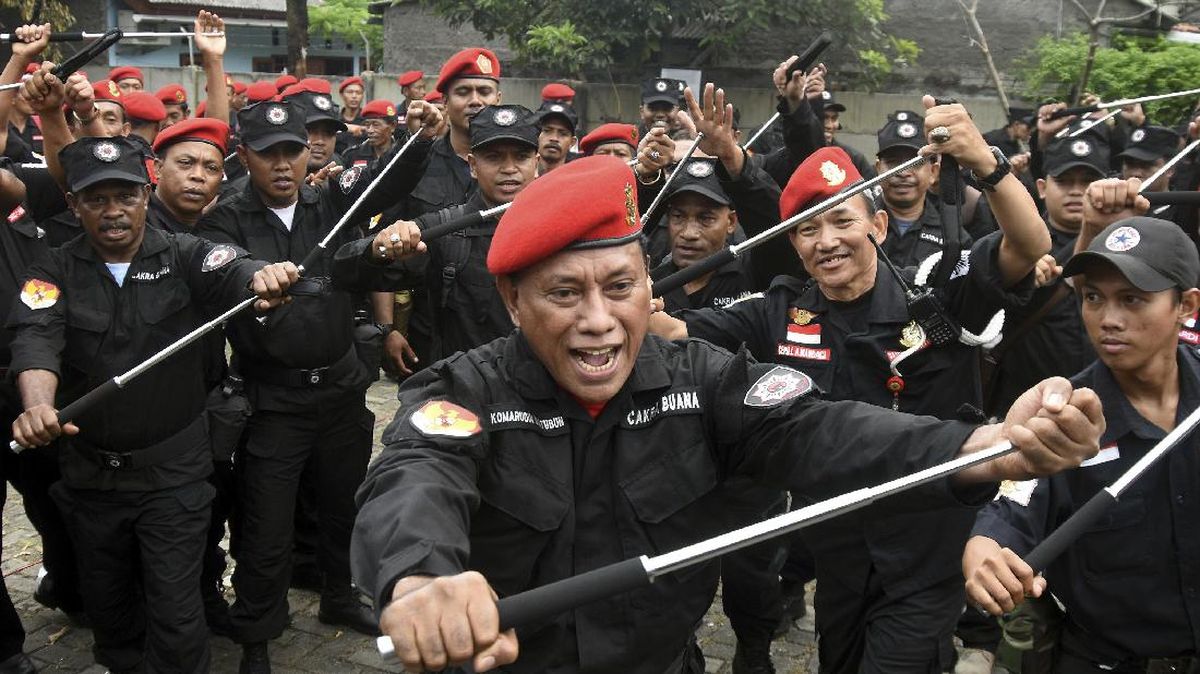
President Joko Widodo's participation in a ritual involving stepping on a buffalo head during his political visit to Lampung has sparked discussion. The ruling PDI-P party, to which President Widodo belongs, has distanced itself from the ritual, emphasizing that the buffalo is not the party's symbol. Komarudin Watubun, a PDI-P executive, stated casually regarding the ritual, "We are not buffaloes, we are banteng (bulls). So, there is no connection." He asserted that the party has no ties to the ritual performed by the President. He added that if the object stepped on were a bull's head, then PDI-P would have a reason to address it. The ritual took place as President Widodo was conferred the honorary title of "Baginda Pemuka Bangsa" (Foremost Leader of the Nation) in Lampung. Dressed in local traditional attire and seated on a chair, the President stepped on a buffalo head placed on a red carpet. However, officials clarified that the ritual was not initiated by President Widodo himself but was a gesture of appreciation and respect from the indigenous community of Lampung for his contributions as president. Mawardi Rahma Harirama, a traditional leader from Lampung, explained that the conferment of traditional titles, known as "muakhi," has been an integral part of Lampungese culture for thousands of years, embodying the "nemui nyimah" philosophy which emphasizes hospitality and kinship. This incident highlights the interplay between President Widodo's political influence and the deeply rooted traditional cultures across Indonesia. The PDI-P's stance is to not interfere with the President's personal activities or his engagements with local communities.
多角的分析
このニュース自体に直接的な経済的影響はないが、ジョコウィ大統領の政治的行動が、将来的な政策決定や地域開発への関心に間接的な影響を与える可能性はある。特に、伝統文化の尊重が地域経済に与える影響は、観光振興や地域産品のブランド化といった側面で考慮されるべきである。
投資家にとっては、この儀式自体は直接的な投資判断材料とならない。しかし、大統領の行動やそれに対する政党の反応は、インドネシアの政治的安定性や、伝統文化と現代政治との調和といった、より広範なリスク要因を理解するための一助となる可能性がある。特に、地域社会との関係性を重視する姿勢は、一部の社会貢献型投資(ESG投資)の観点から注目されるかもしれない。
ジョコウィ大統領の行動は、インドネシアの多様な文化と政治との関係性を浮き彫りにする。ランプン州の伝統社会が、地域文化の維持と発展のためにこのような儀式を行う一方、首都ジャカルタを中心とする政治エリートは、党のシンボルとの関連性を冷静に判断しようとする。この対比は、インドネシア社会における伝統と現代、地域と中央の間の複雑な力学を示唆している。また、SNSなどを通じてこの儀式が拡散されることで、国民の間で様々な解釈や議論が生まれる可能性がある。
ランプン州の市民にとっては、大統領が地域に訪れ、伝統的な儀式に参加することは、地域への関心と尊重の証と受け止められるだろう。一方、PDIPの支持者や、政治に詳しい層からは、党のシンボルである「闘牛」との関連性を問う声も上がるかもしれない。大統領の行動が、国民の生活に直接的な変化をもたらすわけではないが、文化的なアイデンティティや政治への関心を刺激する出来事と言える。
背景・歴史的文脈
インドネシアは、数千もの島々から成り、多様な民族、言語、文化を持つ多民族国家である。大統領や政治家が地方を訪問する際、地域社会の伝統や慣習を尊重する姿勢を示すことは、国民統合や支持獲得のためにしばしば行われる。PDIP(闘争民主党)は、インドネシア建国の父スカルノ氏の思想を受け継ぐ政党であり、そのシンボルは「闘牛(バントゥン)」である。一方、ジョコ・ウィドド大統領は、PDIPから大統領候補として擁立されたが、近年は党との距離を置く姿勢も見せている。今回の儀式は、大統領が地域社会から敬意をもって迎えられた一方で、所属政党のシンボルとの関連性が問われるという、インドネシア政治の複雑な側面を浮き彫りにした。
原文ソース
CNN Indonesia