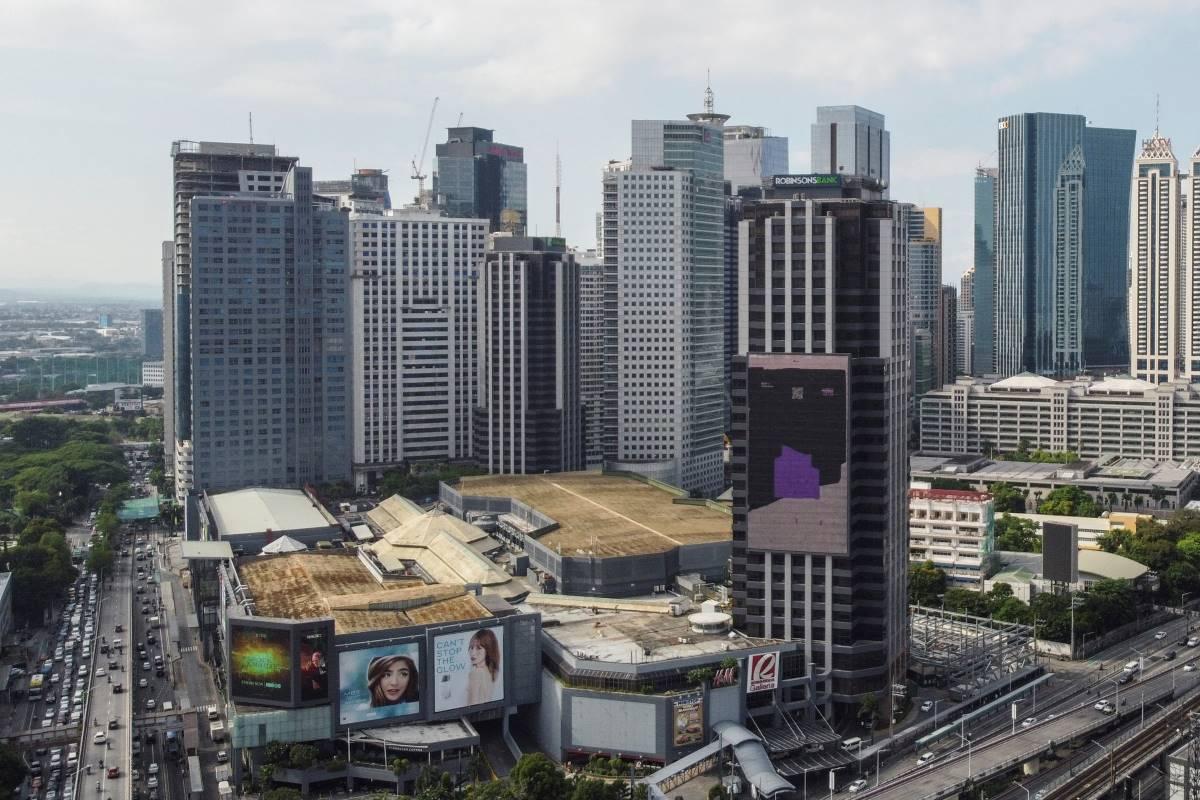
North of Metro Manila Sees Double-Digit Home Price Hikes in H1 2026
Economy
2026年7月7日
5
GMA Money Philippines

North of Metro Manila Sees Double-Digit Home Price Hikes in H1 2026

AI サマリー

Residential project prices north of Metro Manila experienced double-digit growth in the first half of 2026, driven by developers anticipating future population and employment expansion. Notable price increases were recorded in Bulacan and Pampanga, indicating a surge in housing development and demand in these areas.

Prices of residential projects north of Metro Manila have climbed by double-digits in the first half of 2026, according to a report by Leechiu Property Consultants (LPC). This indicates developers are strategically positioning themselves for future population and employment growth in the region. Roy Golez, LPC's Research and Consultancy Director, stated that the average price of residential projects in Bulacan has grown by 16% to P43,000 per square meter (sq.m.) in the first half of 2026, up from P37,000 per sq.m. in the second half of 2025. Pampanga has also seen a price increase of 15%, with average prices rising from P34,000 to P39,000 per sq.m. "We are seeing a higher growth in pricing north of Metro Manila. It just indicates that there is now a brewing… or a pricing demand for residential township units north of Metro Manila," Golez said during a briefing in Makati City. "Sa north, ngayon pa lang lumalabas 'yung mga projects. There's actually a lot more along SCTEX na magkaka-project… What's happening is it's still at a discount versus the south but these are practically the same products, the same residential high-end products," he added. Among the projects cited are Ayala Land Inc.'s Alviera with an average of P41,000 per sq.m., Orchard Vistas in Bataan at P34,000 per sq.m., and Rockwell Land's Paradise Farms in Bulacan at P43,000 per sq.m. Meanwhile, prices south of Metro Manila have also continued to grow, albeit at a slower rate due to a higher base. Projects in Cavite increased by 2% to P62,000 per sq.m. from P61,000 per sq.m., while those in Laguna grew 8% to P59,000 per sq.m. from P55,000 per sq.m. "In the south, ang lakas ng price increase nun, kasi 'yung demand is super strong sa south. Ngayon mataas na 'yung base, 'yung increase is only single digit," Golez explained. (Price increases in the south were very hefty before because the demand is super strong. Now that the base is already high, the increase is only single digit.) — VDV, GMA News This surge in property prices in the northern areas is likely reflecting the growth of the Philippine economy, particularly the increasing investment appetite in regions experiencing infrastructure development and job creation. It suggests growing appeal as new residential destinations for both foreign investors and domestic migrants.

多角的分析

経済的影響

メトロ・マニラ北部における住宅価格の二桁上昇は、フィリピン経済の堅調な成長と、特にインフラ開発が進む地域への投資拡大傾向を裏付けています。これは、都市部への人口集中を緩和し、地方経済の活性化を目指す政府の decentralization 政策とも連動しており、長期的な経済成長の基盤となる可能性があります。開発業者が将来の人口・雇用増を見越して先行投資を行っている状況は、経済の底堅さを示す一方、不動産バブルのリスクも孕んでいます。特に、SCTEX(Subic-Clark-Tarlac Expressway)沿いでの開発は、交通アクセスの改善が不動産価値を押し上げる典型的な例です。

投資家心理

投資家にとって、メトロ・マニラ北部、特にブラカン州やパンパンガ州は、現在、南部地域に比べて割安感がありながらも、同等の高品質な住宅製品が提供される有望な投資先と見なされています。二桁の上昇率は、初期投資家にとって魅力的なリターンを示唆しますが、同時に開発の進展度合いや将来の市場動向を慎重に見極める必要があります。インフラ整備の進捗、雇用機会の創出、そして近隣地域からの移住者の流入といった要因が、不動産価値の持続的な上昇を支える鍵となるでしょう。高騰する南部市場からの資金シフトも、北部の不動産市場を刺激する可能性があります。

社会的影響

メトロ・マニラ北部での住宅価格上昇は、より手頃な価格で質の高い住居を求めるフィリピン国民、特に若い世代や家族にとって、居住選択肢への影響が大きくなっています。ブラカン州やパンパンガ州といった地域は、メトロ・マニラへの通勤圏内でありながら、より広い住空間や良好な生活環境を期待できることから、移住先として注目されています。しかし、価格の上昇は、これらの地域への移住を計画している人々にとって、経済的な負担増となる可能性があります。また、開発の進展に伴い、地域社会のインフラ整備(学校、病院、公共交通機関など)が追いつくかどうかも、住民の生活の質に直結する重要な課題です。

市民の声

メトロ・マニラ北部の住宅価格の二桁上昇は、多くのフィリピン国民、特に手頃な価格で住居を探している人々にとって、大きな懸念材料となっています。ブラカン州やパンパンガ州は、メトロ・マニラへのアクセスが比較的良く、より広い住居や良好な生活環境を求めて移住を検討する人々にとって魅力的な選択肢でしたが、価格の上昇は、これらの地域への移住をより困難にしています。特に、若年層や子育て世代は、住宅ローンの負担増加や、将来的な住居の確保に不安を感じる可能性があります。開発業者が「割引価格」と表現しているものの、実質的な価格上昇は、多くの世帯にとって経済的な圧迫となるでしょう。

背景・歴史的文脈

メトロ・マニラ北部、特にブラカン州やパンパンガ州における住宅価格の上昇は、フィリピン政府が進める「ビヨンド・マニラ」戦略の一環として捉えることができる。これは、首都圏への過度な人口・経済集中を緩和し、地方経済の活性化と均衡の取れた開発を目指す長期的な政策である。2010年代以降、インフラ投資、特に高速道路網(例:NLEX、SCTEXの拡充)の整備が進み、メトロ・マニラへのアクセスが格段に向上したことが、これらの地域への開発業者や居住者の関心を高める大きな要因となった。また、BPO(ビジネス・プロセス・アウトソーシング)産業の拡大や、海外フィリピン労働者(OFW)からの送金増加も、不動産需要を支える経済的基盤となっている。

原文ソース

GMA Money Philippines

原文を読む