Vietnam Postpones Time-of-Use Electricity Pricing for Households Amid Impact Assessment
Infrastructure
2026年7月8日
3
Nhan Dan

Vietnam Postpones Time-of-Use Electricity Pricing for Households Amid Impact Assessment

AI サマリー

Vietnam's Ministry of Industry and Trade announced a postponement of the implementation of time-of-use electricity pricing for households. The ministry cited the need to assess the impact on household budgets and infrastructure development, with no specific application date set. The transition from the current progressive tariff system requires the installation of new smart meters and upgrades to the transmission grid.

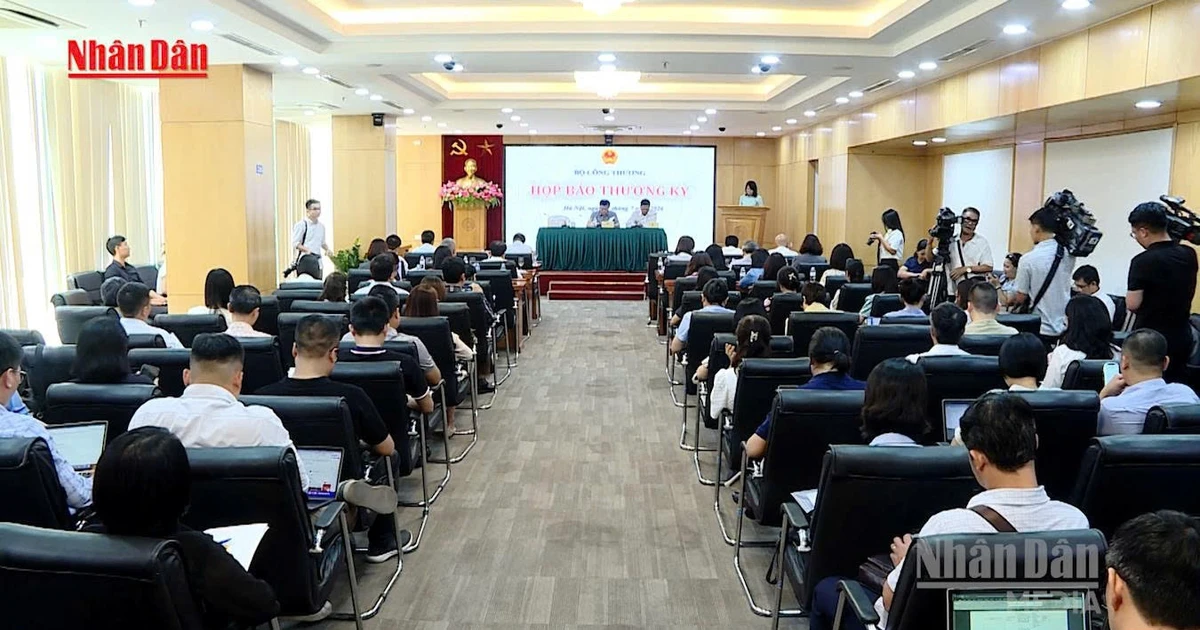
Vietnam's Ministry of Industry and Trade (MOIT) has announced that the implementation of time-of-use (TOU) electricity pricing for households will not be applied at this time. The ministry stated that the introduction of this policy is pending further evaluation of its impact on household budgets and the necessary infrastructure development, with no specific application date set. Currently, Vietnam's residential electricity tariff system primarily uses a progressive pricing structure, where rates increase with higher consumption levels. To implement a TOU pricing system, the electricity sector would need to replace existing meters with new types capable of measuring electricity consumption across different time blocks (peak, off-peak, and normal hours). Additionally, upgrades to the transmission grid and related technical conditions would be required. The MOIT indicated that a final decision on the policy's implementation will be made only after a thorough assessment of its impact on citizens' lives and society as a whole. This postponement is seen as a measure to avoid increasing the financial burden on the public amidst concerns about rapid price hikes. As Vietnam experiences economic growth, electricity demand continues to rise, making the stabilization and efficiency of power supply a significant challenge. While TOU pricing is expected to help curb peak demand and distribute the load on the power grid, its introduction necessitates public understanding and cooperation, as well as substantial investment in infrastructure.

多角的分析

経済的影響

時間帯別電力料金制は、電力需要のピークを抑制し、電力網の効率的な運用を促進する経済的インセンティブとなり得る。しかし、導入には電力計の交換や送電網の改修といった初期投資が不可欠であり、そのコストが電力料金に転嫁される可能性もある。家計への影響を慎重に評価する姿勢は、物価安定を重視するベトナム政府の経済政策の一環と見られる。

投資家心理

電力インフラへの投資は、ベトナムの経済成長を支える上で重要である。時間帯別料金制の導入延期は、関連するインフラ投資(スマートメーター、送電網改修)の計画に一時的な不確実性をもたらす可能性がある。しかし、長期的には電力需要の増加が見込まれるため、電力セクターへの投資機会は依然として存在すると考えられる。

社会的影響

時間帯別料金制の導入は、一般家庭の電力消費行動に変化を促す可能性がある。例えば、電気料金が安い時間帯に家電の使用を集中させることで、家計の負担を軽減しようとする動きが考えられる。一方で、特に低所得者層や、時間帯による電力使用の調整が難しい職業(例:夜勤従事者)にとっては、新たな負担となる可能性も指摘されている。今回の延期は、こうした社会的な影響を考慮した判断と言える。

市民の声

今回の延期は、多くのベトナム市民、特に家計のやりくりに敏感な層にとって、当面の安心材料となるだろう。現行の累進料金制は、電力消費量が多いほど料金が高くなるため、節電を意識するインセンティブがある。時間帯別料金制は、さらに複雑な料金体系となり、理解や対応が難しいと感じる市民もいるため、導入には丁寧な説明と準備が必要だ。特に、ハノイやホーチミンなどの都市部では、電力消費量が多い世帯も少なくなく、料金変動の影響は無視できない。

背景・歴史的文脈

ベトナムは、急速な経済成長に伴い電力需要が急増しており、電力供給能力の拡充と効率化が国家的な課題となっている。過去、電力不足や停電が経済活動の阻害要因となった経験から、政府は電力インフラへの投資を重視してきた。時間帯別料金制は、電力需要のピークを平準化し、電力網の負荷を軽減するための国際的な標準的な手法の一つとして検討されてきた。しかし、その導入には、スマートメーターへの更新、送電網の強化、そして何よりも国民生活への影響評価が不可欠であり、慎重なアプローチが取られている。

原文ソース

Nhan Dan

原文を読む