World Bank Renews Commitment to Cambodia's Water Security and Climate Resilience
The World Bank has reaffirmed its commitment to continue supporting Cambodia's Ministry of Water Resources and Meteorology in priority projects aimed at enhancing water security, climate resilience, and sustainable development, including modernizing irrigation systems and strengthening meteorological services.
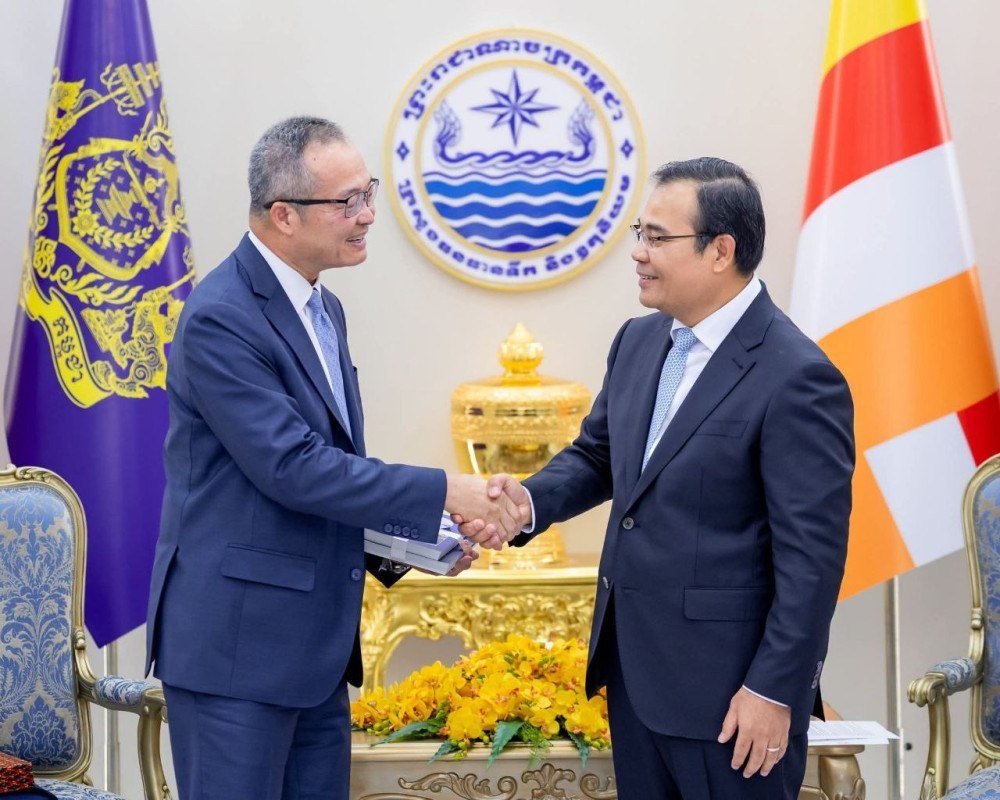
The World Bank has reaffirmed its commitment to continue working closely with Cambodia’s Ministry of Water Resources and Meteorology to support priority projects and programmes aimed at strengthening water security, climate resilience, and sustainable development. The reaffirmation was made by Mr. Guangzhe Chen, Vice President for Planet at the World Bank Group, during a meeting with H.E. Thor Chetha, Minister of Water Resources and Meteorology, in Phnom Penh on July 8. H.E. Thor Chetha expressed appreciation for the World Bank’s longstanding partnership, particularly its financing of the Cambodia Water Security Improvement Project (CaWSIP), a flagship initiative to enhance water resources management, modernise irrigation systems, strengthen meteorological services, support climate change adaptation, and empower farmer water-user communities. The Minister also requested the World Bank’s support for additional initiatives, including the implementation of Cambodia’s water security framework through appropriate financing, the preparation and execution of a long-term investment programme for the Tonle Sap Basin, and the expansion of strategic water storage capacity in border areas. He said these efforts would include the construction of reservoirs and the development of small-scale irrigation systems to enhance water and food security while strengthening the country’s resilience to climate change. By Lim Nary
多角的分析
世界銀行による水インフラへの継続的な投資は、カンボジアの農業生産性の向上と食料安全保障の強化に直結する。近代化された灌漑システムは、水利用の効率を高め、干ばつや洪水といった気候変動の影響を受けやすい農業セクターの安定化に貢献する。これにより、農村部の所得向上と経済全体の底上げが期待される。また、水資源管理の改善は、工業用水や生活用水の安定供給にも繋がり、経済活動の持続可能性を高める要因となる。
水インフラへの投資は、直接的な農業関連企業だけでなく、関連する建設業、資材供給業、さらには水処理技術を提供する企業にとっても機会となる。特に、気候変動への適応策としての貯水能力の拡大や、国境地域でのインフラ整備は、長期的な視点での安定した収益が見込めるプロジェクトとして投資家の関心を引く可能性がある。ただし、プロジェクトの実行リスクや、気候変動による予期せぬ事態への対応能力は、投資判断において慎重に評価されるべき要素である。
水セキュリティの向上は、農村部の住民、特に小規模農家にとって直接的な恩恵をもたらす。灌漑システムの改善は、収穫量の安定化と増加につながり、食料不足のリスクを低減させる。また、気候変動への適応策は、異常気象による被害を軽減し、地域社会の生活基盤を守る。トンレサップ湖盆地のような重要な生態系と地域経済に依存する地域での長期的な投資プログラムは、地域住民の生計維持と環境保全の両立を目指す上で重要となる。農民水利用コミュニティのエンパワーメントは、地域社会の主体的な水管理能力の向上を促す。
水資源・気象省のトール・チェタ大臣が、世界銀行の支援に感謝し、さらなるプロジェクトへの協力を要請したことは、カンボジア国民、特に農村部に住む人々の生活の安定に直結する動きである。灌漑システムの改善や貯水能力の強化は、干ばつや洪水といった気候変動による農業への影響を緩和し、食料の安定供給と所得の向上に繋がる。国境地域でのインフラ整備は、地域経済の活性化にも寄与する。農民水利用コミュニティのエンパワーメントは、地域住民が自らの水資源管理に主体的に関わる機会を増やす。
背景・歴史的文脈
カンボジアは、メコン川流域に位置し、水資源への依存度が高い国である。特に農業は、国民の生計の大部分を支えており、水資源の安定的な確保が喫緊の課題となっている。過去数十年にわたり、カンボジアは気候変動による影響、例えば異常気象や降雨パターンの変化に直面してきた。これに対応するため、同国政府は水資源管理の強化とインフラ開発を重視しており、世界銀行は長年にわたり、灌漑システムの改善、洪水対策、水質保全などのプロジェクトに資金提供や技術支援を行ってきた。2020年代に入り、気候変動への適応とレジリエンス強化がより一層重要視される中で、今回の世界銀行の再度の支援表明は、カンボジアの持続可能な開発戦略において、水資源分野が引き続き最重要課題の一つであることを示している。
原文ソース
AKP Cambodia