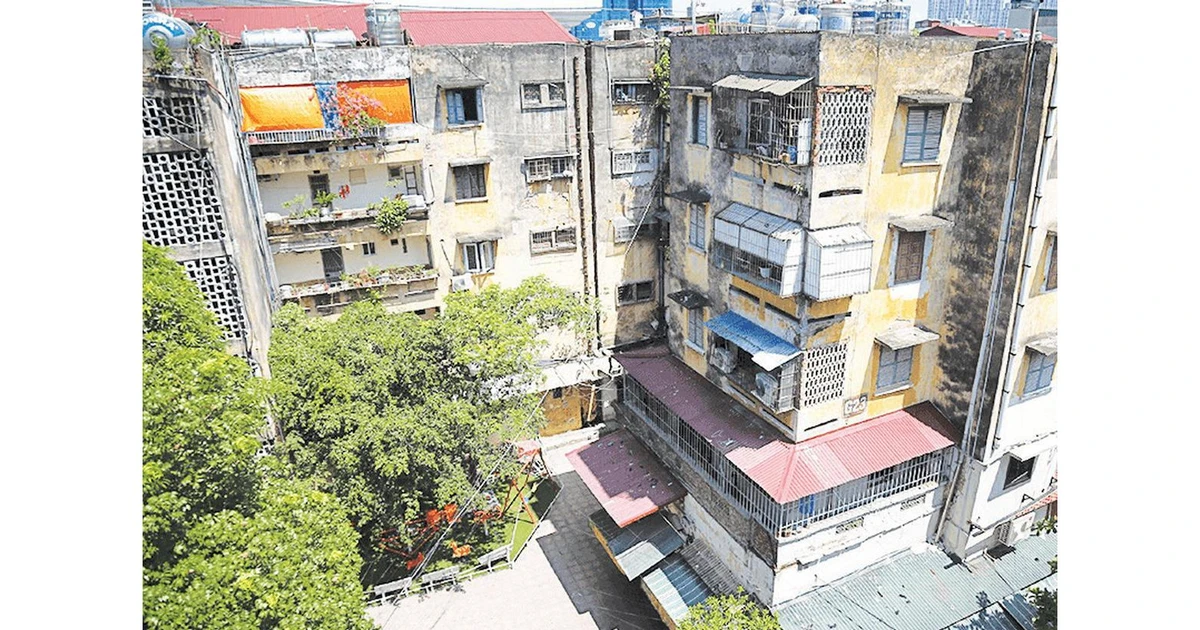
Hanoi Introduces Special Mechanisms for Old Apartment Renovation
Hanoi City has introduced special preferential policies based on the Capital Law to accelerate the renovation of old apartment buildings. These include lowering the resident consensus rate and setting profit margin caps for developers.
Hanoi City has adopted new policies featuring special preferential mechanisms under the Capital Law to accelerate the renovation of its aging apartment buildings. These measures aim to overcome years of delays in renovation projects, improve the urban landscape, and ensure resident safety. Hanoi is home to over 2,160 apartment buildings constructed between the 1960s and 1990s, many of which are dilapidated and require urgent renovation. However, since 2007, only 21 renovation projects have been successfully completed. Key obstacles have included difficulties in achieving resident consensus and ensuring profitability for developers. A core aspect of the new policy is the reduction of the resident consensus rate for renovation approval from the current 75% to 51%. This aims to prevent projects from being prolonged by a few dissenting opinions. The period for reaching agreement on compensation and resettlement plans between residents and developers is capped at a maximum of 12 months, extendable by no more than 6 months in force majeure cases. Regarding compensation, it is determined based on a coefficient K agreed upon by developers and residents, allowing for up to double the original legal usable area. If agreement is not reached, the coefficient will be 1 for apartments on the first floor and 1.2 for those on the second floor and above. The maximum profit margin for developers is set at 15% of the preliminary total investment cost of the project. Furthermore, the scope of buildings subject to demolition has been expanded. Even Class C apartments, previously not included, will now be considered for demolition if their infrastructure does not meet current technical standards and regulations or if they pose safety risks during operation and use. The policy also enhances integration with urban planning, linking the reconstruction and renovation of apartment buildings with Transit-Oriented Development (TOD) around public transportation hubs. While the new policy received high approval from the Hanoi City People's Council, some expressed concerns about the increased pressure on implementation due to the expanded demolition scope for Class C apartments. Some delegates proposed measures to enhance the financial viability for developers, such as allowing for increased population density indicators in suitable cases and prioritizing the sale of commercial housing within renovation areas to existing residents. Experts emphasize that any increase in population density must be carefully studied to balance development needs with the capacity of the urban infrastructure system.
多角的分析
ハノイ市の老朽化マンション改修政策は、都市インフラの老朽化という経済的課題への直接的な対応である。合意率の引き下げや利益率の上限設定は、デベロッパーの投資インセンティブを刺激し、事業採算性を改善する狙いがある。しかし、デベロッパーへの利益率上限は、過度な利益追求を抑制する一方で、投資リスクに見合うリターンを確保できるかどうかが、今後の事業進捗の鍵となる。TODモデルとの連携は、不動産開発と公共交通インフラ投資を組み合わせることで、都市全体の経済効率を高める可能性を秘めている。
今回のハノイ市の政策変更は、集合住宅改修分野への投資機会を拡大させる可能性がある。合意率の引き下げは、プロジェクトの実行可能性を高め、デベロッパーがより多くのプロジェクトに参画できる道を開く。利益率の上限設定は、投資家にとってリスク管理の観点から重要だが、同時に、プロジェクトの収益性を慎重に見極める必要性も示唆している。特に、TODモデルとの連携は、開発エリアの価値向上に繋がり、長期的な投資リターンを期待できる可能性がある。
ハノイ市における老朽化マンションの改修は、住民の安全確保という喫緊の課題に直結する。しかし、合意率の引き下げは、一部住民の意向が十分に反映されない可能性も孕んでおり、住民間の摩擦を生むリスクがある。また、補償基準のK係数(1倍または1.2倍)は、特に低層階の住民にとって、現在の居住面積や資産価値に見合う補償とは見なされない可能性があり、不満の原因となりうる。さらに、C級マンションの解体対象拡大は、居住者の移転先確保や生活再建への支援体制の強化が不可欠となる。
ハノイ市民、特に老朽化した集合住宅に居住する住民にとって、今回の政策は生活の安全と居住環境の改善に直結する重要な動きである。しかし、合意率の引き下げは、一部の住民が納得できないまま改修が進む可能性を示唆しており、住民間の意見対立や不安を生む可能性がある。また、補償基準が必ずしも十分でないと感じる住民もいるだろう。都市計画との連携による利便性向上は期待できるものの、移転や再定住に伴う生活の変化への適応も大きな課題となる。
背景・歴史的文脈
ベトナムでは、特にハノイやホーチミンなどの大都市において、フランス植民地時代やソビエト連邦時代に建設された集合住宅の老朽化が長年の課題となっている。これらの建物は、居住者の安全だけでなく、都市景観やインフラへの負荷も増大させている。過去、政府は幾度か改修政策を打ち出してきたが、住民の同意形成の難しさ、デベロッパーの収益性確保の困難さ、そして複雑な法規制などが障壁となり、事業は遅々として進まなかった。2026年に施行された改正都市法(Luật Thủ đô)は、首都ハノイにおける特別な開発権限を地方政府に与え、こうした難題を打破するための法的根拠を提供した。今回の政策は、この改正都市法を具体的に活用し、従来の枠組みでは解決できなかった問題に、より踏み込んだアプローチで挑むものである。
原文ソース
Nhan Dan