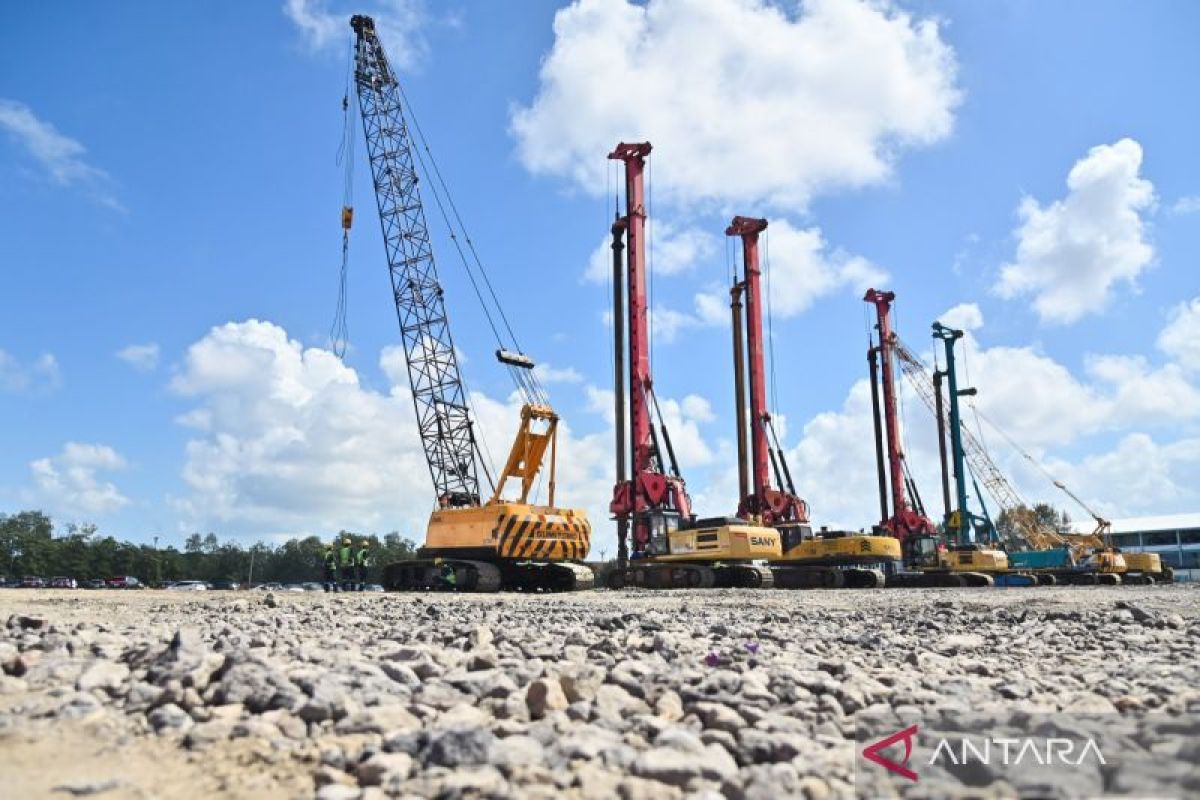
Danantara Breaks Ground on Bali Waste-to-Energy Plant
Indonesian startup Danantara has commenced construction of a waste-to-energy plant in Bali. The project aims to mitigate environmental impact in the popular tourist destination and stabilize energy supply, with expectations for positive ripple effects on the local economy.
Indonesian startup Danantara has broken ground on the construction of a waste-to-energy plant in Bali. This project aims to address the waste problem faced by Bali, a world-renowned tourist destination, and secure a sustainable energy source. Bali attracts a large number of tourists annually, leading to the generation of substantial waste, which has been a long-standing challenge. The construction of this waste-to-energy plant seeks to mitigate environmental impact and improve waste management efficiency by converting this waste into energy. Danantara states its commitment to operating the plant using the latest technology and adhering to environmental standards. This is expected to contribute to the stabilization of Bali's electricity supply. Furthermore, the project holds the potential to invigorate the local economy, fostering job creation and the development of related industries. Bali is known for its beautiful natural environment and rich culture, but the environmental issues accompanying the development of its tourism industry have become increasingly severe. The construction of the waste-to-energy plant will be a step towards strengthening Bali's position as a sustainable tourist nation. Source: Antara News (English)
多角的分析
廃棄物発電所の建設は、長年の課題であった廃棄物処理問題の解決に寄与するだけでなく、エネルギー供給の安定化と再生可能エネルギー源の確保という点で経済的メリットをもたらす。廃棄物という「負の資産」を「エネルギー」という「正の資産」に転換するビジネスモデルは、循環型経済への移行を促進し、新たな産業創出の可能性を秘めている。ただし、初期投資の回収期間や、発電コストの競争力などが今後の経済的持続可能性を左右する要因となる。
このプロジェクトは、環境・社会・ガバナンス(ESG)投資の観点から注目される可能性がある。特に、観光立国であるバリ島における環境問題解決への貢献は、企業の社会的責任(CSR)を重視する投資家にとって魅力となりうる。しかし、技術的なリスク、運営コスト、そして地元コミュニティとの関係構築が、投資収益に影響を与える可能性があるため、慎重なデューデリジェンスが求められる。
バリ島では、観光客増加に伴う廃棄物問題が、住民の生活環境や景観に直接的な影響を与えている。この廃棄物発電所は、その問題解決に貢献することで、地域住民の生活の質の向上に寄与すると期待される。また、廃棄物処理における新たな雇用機会の創出は、地域社会の経済的自立を支援する可能性がある。一方で、建設や運営に伴う環境への影響(騒音、排出物など)に対する住民の懸念にも配慮が必要となる。
バリ島住民にとって、この廃棄物発電所は、景観を損ねる廃棄物の山が減り、より清潔な環境で生活できるという期待感をもたらす。また、エネルギー供給の安定化は、停電の減少につながり、日常生活の利便性を高める可能性がある。しかし、発電所建設や運営による地域への影響(交通量増加、騒音、大気汚染の懸念など)については、住民説明会などを通じた丁寧な情報公開と合意形成が不可欠となる。
背景・歴史的文脈
バリ島は、その豊かな自然と文化遺産を背景に、世界有数の観光地として発展してきた。しかし、観光客の増加は、大量の廃棄物発生という深刻な環境問題を引き起こし、島の持続可能性を脅かしてきた。これまで、廃棄物処理は埋立地への依存や、不十分なリサイクル体制が課題とされてきた。こうした状況に対し、インドネシア政府は、廃棄物からエネルギーを生成する「廃棄物発電(Waste-to-Energy, WtE)」技術の導入を推進しており、今回のDanantaraによるプロジェクトはその一環として位置づけられる。
原文ソース
Antara News (English)