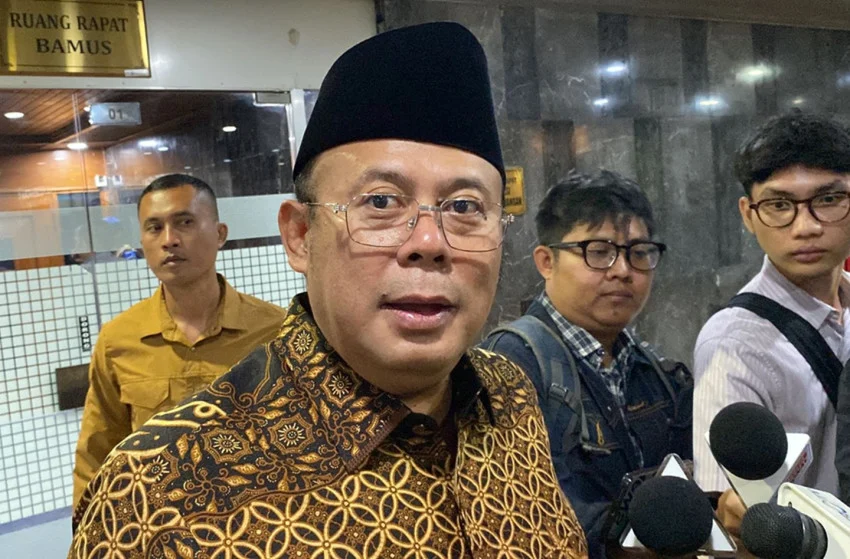
Indonesian House Speaker Denies Instructing Postponement of Election Bill Deliberations
The Speaker of the Indonesian House of Representatives has denied reports that he instructed the postponement of deliberations on the Election Bill (RUU Pemilu). The Speaker implied that the bill's deliberations should proceed as normal. This statement comes amidst political maneuvering and concerns over transparency in the legislative process.
The Speaker of the Indonesian House of Representatives has denied reports claiming he instructed the postponement of deliberations on the Election Bill (RUU Pemilu). These reports emerged amidst a tense domestic political climate, and the Speaker's statement had fueled speculation regarding the handling of the bill's legislative process. The Speaker suggested that the deliberations on the Election Bill should proceed as usual, emphasizing a commitment to transparency and fairness in the legislative process. However, he avoided providing specific details regarding the exact deliberation schedule or procedures. Amendments to election laws in Indonesia have frequently been subjects of political maneuvering in the past, and their deliberation processes consistently attract public attention. Particularly, as preparations for the upcoming general elections progress, the status of the bill's deliberations is also seen as potentially influencing the political landscape. This statement from the Speaker is likely intended to dispel speculation about the postponement of the bill's deliberations and restore confidence in the House's operations. Nevertheless, continued observation of the bill's legislative progress remains necessary.
多角的分析
選挙法改正案の審議延期に関する報道とその否定は、直接的な経済的影響は現時点では限定的である。しかし、法案の内容によっては、将来的な選挙の運営方法や政治的安定性に影響を与え、それが間接的に投資家心理や経済政策の予見可能性に影響する可能性は否定できない。特に、選挙制度の変更は、政治的不確実性を高める要因となり得る。
選挙法改正案の審議状況は、インドネシアの政治的安定性に対する投資家のセンチメントに影響を与える可能性がある。法案が円滑に審議・成立するか、あるいは延期や混乱が生じるかによって、市場の反応は異なってくるだろう。現時点では、議長が審議延期を否定したことで、短期的には政治的リスクへの懸念が和らぐ可能性があるが、法案自体の内容が投資環境にどう影響するかは引き続き注視が必要である。
選挙法改正案の審議延期を巡る報道と議長の否定は、国民の政治プロセスへの関心と、法案審議の透明性に対する期待を示唆している。特に、選挙制度は国民の代表を選出する根幹に関わるため、その変更プロセスが不透明であったり、政治的な駆け引きによって左右されたりすることへの懸念は大きい。国民は、自身の意思が反映される選挙制度が、公正かつ開かれた手続きを経て決定されることを望んでいる。
選挙法改正案の審議延期に関する報道は、ジャカルタ市民のような都市部の住民にとって、選挙制度の変更が自身の投票行動や政治参加にどう影響するのかという関心事となりうる。また、地方都市の住民にとっては、選挙制度が地方の政治状況や経済に与える影響も無視できない。法案審議の遅延や不透明さは、政治への信頼を揺るがす要因となり得る。
背景・歴史的文脈
インドネシアにおける選挙法改正は、過去の政権交代や民主化の過程で、選挙制度の公平性や透明性を確保するために繰り返し行われてきた。特に、スハルト政権崩壊後の民主化以降、選挙制度の改善は国民の政治参加を促進し、より代表性の高い議会を形成するための重要な課題とされてきた。しかし、改正のたびに、現職議員の利権や政党間の力関係が絡み合い、審議が難航するケースも少なくない。今回の選挙法改正案も、こうした歴史的背景の中で、政治的な思惑が交錯している可能性がある。
原文ソース
Sindonews