LLDA Urges Public to Help Trace Polluters in Laguna de Bay
Society
2026年7月20日
6
Inquirer NewsInfo

General articles are free for 24 hours after publish.

LLDA Urges Public to Help Trace Polluters in Laguna de Bay

Share
AI Summary

The Laguna Lake Development Authority (LLDA) in the Philippines is appealing to the public for assistance in identifying pollution sources within Laguna de Bay, the country's largest lake. Following recent operations by Manila Water Company Inc. (MWCI) and subsequent reports of fish kills, the LLDA is emphasizing the crucial role of community involvement in pollution control efforts.

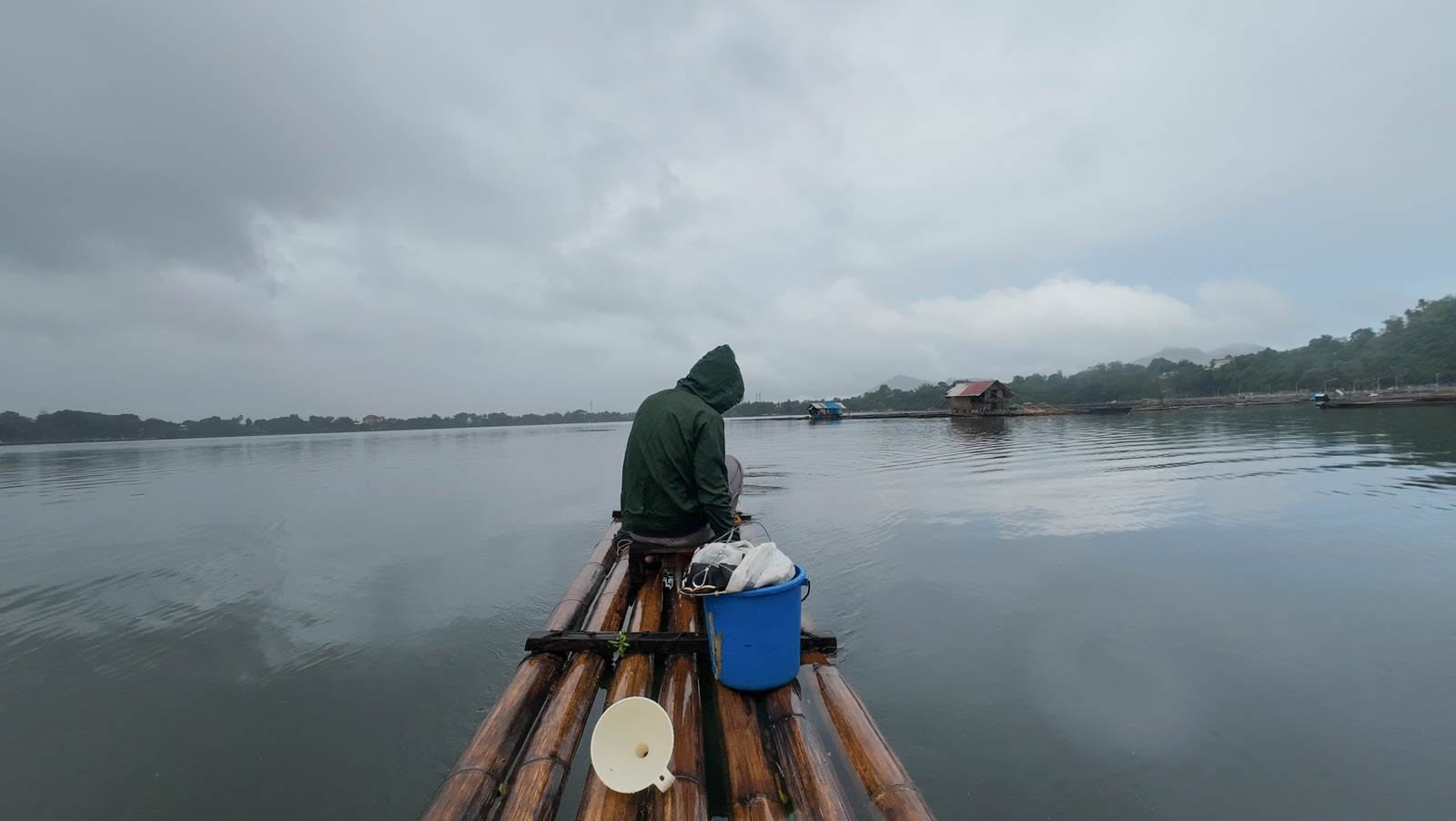
The Laguna Lake Development Authority (LLDA) is appealing to the public for assistance in identifying pollution sources within Laguna de Bay, the country's largest lake. The agency highlighted that reports from residents and local officials are crucial in holding environmental violators accountable, especially following recent events that have raised concerns about the lake's water quality. Days after the LLDA permanently sealed the discharge outlet used by Manila Water Company Inc. (MWCI) in Binangonan, Rizal, due to a controversial pipeline flushing operation, the agency reiterated the importance of community involvement. While the investigation into the flushing operation and its potential link to a reported fish kill is ongoing, the LLDA is seeking public cooperation to pinpoint the exact origins of pollution. Laguna de Bay, spanning approximately 352,000 to 366,000 square meters, is the largest lake in the Philippines and the third-largest freshwater lake in Southeast Asia. Under the Philippine Clean Water Act, the LLDA is mandated to enforce effluent standards and impose sanctions on environmental offenders. However, the agency emphasizes that effective enforcement hinges on the precise identification of pollution sources. The LLDA stated that protecting the lake cannot be achieved by the government alone, urging collaborative vigilance to identify culprits behind illegal acts. The agency advocates for focusing efforts on identifying exact contamination sources rather than just addressing pollution after it has spread downstream. Firsthand observations from residents and barangay officials are deemed essential for locating illegal discharges as they occur. The LLDA explained that its extensive regulatory jurisdiction presents logistical challenges for inspectors to survey every reported area in real-time before evidence is washed away by currents. The agency acknowledged public concerns about response times but stressed that water resource protection is a shared responsibility. Currently, Laguna de Bay serves multiple purposes, including fisheries, flood control, power generation, recreation, irrigation, industrial cooling, waste assimilation, and domestic water supply. The LLDA also called upon Pollution Control Officers (PCOs) of industries upstream of recent contamination incidents to review their waste management systems and cooperate in identifying unauthorized discharges. The LLDA urged the public to report specific indicators such as active drainage pipes releasing chemicals, commercial tankers washing containers near waterways, and recurring patterns of unusual odors or discharges. Residents are encouraged to provide photographs, precise locations, nearby landmarks, company names, or geographic coordinates through the LLDA's official channels or Facebook page. The agency concluded by stating that public vigilance ensures their enforcement actions are both immediate and effective. Source: Inquirer NewsInfo

0

Original source

Inquirer NewsInfo

原文を読む