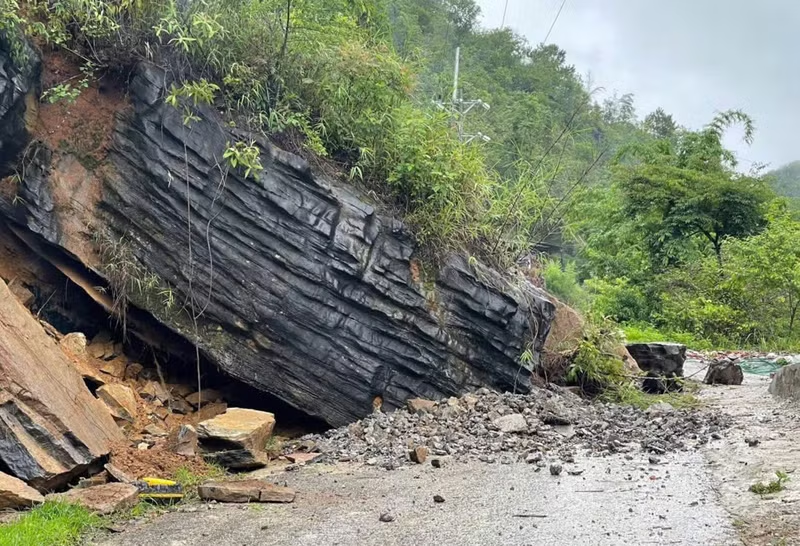
Northern Vietnam Hit by Heavy Rains, Causing Widespread Damage; Recovery Efforts Underway
Environment
2026年6月29日
4
Nhan Dan
Relations
🇻🇳Vietnam🇯🇵Japan

Northern Vietnam Hit by Heavy Rains, Causing Widespread Damage; Recovery Efforts Underway

AI サマリー

Heavy rainfall in Tuyen Quang province, northern Vietnam, from June 28-29 has caused significant damage to housing, agricultural production, and transportation infrastructure. Local authorities are expediting recovery and support efforts.

In Tuyen Quang province, northern Vietnam, continuous heavy rainfall from June 28 to 29 has caused significant damage to housing, agricultural production, and transportation infrastructure. Local authorities are fully engaged in supporting affected residents and restoring infrastructure. This heavy rainfall is part of a weather pattern that had been anticipated for northern Vietnam, particularly in mountainous areas. Concentrated rainfall was observed in Tuyen Quang province from the night of June 28 to the morning of June 29, with reports of widespread housing inundation and damage, as well as crop losses. Transportation infrastructure, including roads and bridges, was also affected, disrupting logistics and resident mobility in some areas. As part of its response to such natural disasters, the Vietnamese government is strengthening early warning systems, issuing evacuation advisories to residents, and securing disaster response funds. Following the recent damage, relevant ministries are assessing the extent of the disaster and implementing concrete measures for emergency relief supplies to residents and the swift restoration of infrastructure. Vietnam is located in a region highly susceptible to the impacts of climate change, frequently experiencing natural disasters such as heavy rains, typhoons, and floods. The mountainous regions of the north, in particular, face elevated risks of landslides due to the combination of steep terrain and densely populated areas. The government plans to continue strengthening long-term disaster prevention and mitigation measures and initiatives to raise residents' disaster preparedness awareness.

多角的分析

経済的影響

豪雨によるインフラ被害は、短期的に地域経済に打撃を与える。特に農業生産への影響は、食料供給や農家所得に直結するため、長期的には経済成長の足かせとなりうる。政府による迅速な復旧支援は、経済活動の早期回復に不可欠だが、インフラ投資の必要性を改めて浮き彫りにしている。

投資家心理

自然災害は、ベトナムにおけるインフラ投資リスクを顕在化させる。特に、気候変動の影響を受けやすい地域での事業展開においては、災害対策への投資や保険の検討が不可欠となる。一方で、復旧・復興需要は、建設業や関連産業への投資機会を生み出す可能性もある。

社会的影響

豪雨は、被災した住民の生活基盤を直接的に脅かす。家屋の損壊は住居の喪失を意味し、農業被害は生計手段の断絶につながる。政府や地域社会による迅速かつ十分な支援が、住民の精神的・物質的な負担を軽減し、早期の生活再建を支える鍵となる。特に、地方の脆弱なコミュニティへの支援が重要となる。

市民の声

トゥエンクアン省の住民は、家屋の浸水や農作物の被害に直面している。道路の寸断は、物資の供給や移動を困難にし、日常生活に大きな影響を与えている。被災者への迅速な支援物資の提供や、インフラの復旧が、住民の不安軽減と生活再建に不可欠である。

背景・歴史的文脈

ベトナム北部、特に山岳地帯は、地形的な要因と気候変動の影響により、豪雨や洪水、土砂災害のリスクが高い地域である。過去にも同様の災害が頻発しており、2018年には北部山岳地帯で大規模な洪水が発生し、甚大な被害をもたらした。ベトナム政府は、気候変動への適応策として、防災インフラの整備、早期警報システムの強化、住民への防災教育などを推進しているが、依然として脆弱な地域やコミュニティが存在する。今回の豪雨は、これらの課題が未だ解決されていないことを浮き彫りにした。

原文ソース

Nhan Dan

原文を読む