Indonesia Reports 4.7M Child Accounts Removed Since Social Media Ban, Urges Further Tech Firm Action
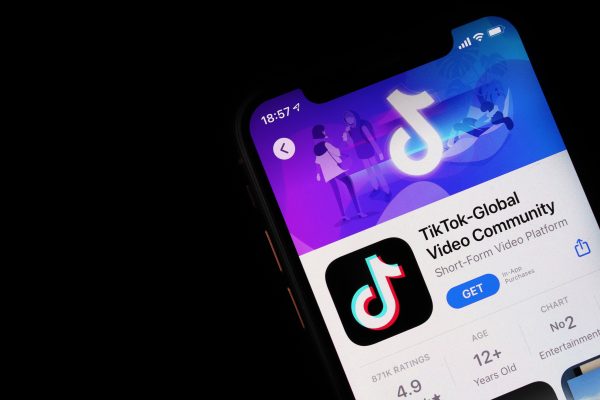
Indonesia's Communications and Digital Affairs Minister announced that TikTok and YouTube have deactivated approximately 4.7 million child accounts since the country's youth social media restrictions took effect in late March, urging other major tech firms to follow suit.
Indonesia's government announced that major tech firms have significantly removed child accounts since the implementation of restrictions on social media use for those under 16, which took effect in late March. According to Communications and Digital Affairs Minister Meutya Hafid, TikTok deactivated 4.1 million accounts and YouTube deactivated approximately 600,000 accounts since the ban was imposed. Hafid stated, "We are not just delaying a child’s access, but we want behaviors from platforms to change, too." She added that the ministry is currently reviewing the self-assessment reports submitted by both companies and is urging other major tech firms to adopt similar measures. Indonesia introduced the measure on March 28, joining a growing number of nations in blocking children under the age of 16 from having accounts on "high-risk" digital platforms, including YouTube, TikTok, Facebook, Instagram, Threads, X, Bigo Live, and Roblox. The initiative aims to protect children from online harms, cyberbullying, fraud, and, most importantly, addiction. Hafid emphasized, "The government is here so that parents no longer have to fight alone against the giant of algorithms." The Indonesian government has adopted a proactive regulatory stance towards foreign tech firms in recent years. Over the past few years, it has introduced regulations requiring digital platforms to pay media outlets for content and banned social media companies from facilitating product sales on their platforms. The government also holds the power to fine or block social media platforms that fail to comply with official content removal requests. Indonesia's move followed shortly after Australia introduced the world's first ban on social media use for under-16s. Australia's policy mandates social media companies to block accounts of users under 16, rather than penalizing young people or their parents. The Australian government claims that over 5 million under-16 accounts have since been removed, deactivated, or restricted since the ban took effect, though its effectiveness has been questioned. A study by the University of Newcastle found that over 80 percent of Australian under-16s were still using social media three months after the legislation was enacted. The Australian government recently announced it would double penalties for breaches of the ban, arguing that measures to keep children off harmful social media sites are insufficient. This move could accelerate a trend of similar restrictions being adopted by numerous countries, including India, China, Turkey, Malaysia, the United Kingdom, and the European Union. Source: The Diplomat Indonesia
多角的分析
インドネシア政府による子供向けSNSアカウントの規制強化は、デジタル経済の健全な発展という観点から重要である。大手テック企業が自主的に対応を進めていることは、プラットフォーム側の責任感の高まりを示す一方、規制の実効性を担保するためには、政府による継続的な監視と、必要に応じた追加措置が不可欠となる。これは、デジタルプラットフォームへの依存度が高まる現代社会において、新たなビジネスモデルやサービス開発の機会を創出する可能性も秘めている。例えば、子供向けの安全なデジタルコンテンツや教育プラットフォームへの投資が増加するかもしれない。
今回のインドネシア政府によるSNS規制強化は、テック企業、特に子供向けサービスを提供する企業にとって、事業リスクと機会の両方をもたらす。アカウント削除という直接的な影響に加え、今後さらに厳格化される可能性のある規制への対応コスト増加が懸念される。一方で、子供の安全を重視する社会的な流れは、保護者向けサービスや、安全性が確保された教育・エンターテイメントコンテンツを提供する企業にとっては、新たな投資機会となり得る。投資家は、各企業のコンプライアンス体制と、子供の安全を確保しつつも収益性を維持できるビジネスモデルを慎重に見極める必要がある。
インドネシアでは、16歳未満の子供たちをオンライン上の有害なコンテンツやサイバーいじめから守るための社会的な機運が高まっている。政府が大手テック企業に子供アカウントの削除を求める動きは、保護者たちが抱える不安への対応として評価される一方、SNS利用が制限された子供たちのデジタルデバイドや、代替となる安全なオンライン空間の提供が課題となる。例えば、地方都市に住む子供たちが、都市部の子供たちに比べて情報アクセスやソーシャルネットワーキングの機会を失う可能性が懸念される。また、SNS上での自己表現や情報収集が制限されることで、若年層の社会参加や学習機会にどのような影響が出るかも注視すべき点である。
今回のSNS規制により、多くの子供たちがオンラインでのコミュニケーションや情報収集の手段を制限されることになる。特に、SNSを友人との交流や学習に活用していた子供たちや、保護者が子供のオンライン活動を十分に把握できていない家庭では、不安や戸惑いが広がる可能性がある。例えば、ジャカルタの子供たちは、友人との連絡手段が限られることで、学校外での交流に影響が出るかもしれない。また、地方の子供たちにとっては、SNSが外部世界との唯一の接点である場合もあり、その利用制限は情報格差をさらに広げる懸念がある。政府は、子供たちが安全にインターネットを利用できる環境整備と、デジタルリテラシー教育の推進を一層強化する必要がある。
背景・歴史的文脈
インドネシア政府が子供のSNS利用制限に踏み切った背景には、世界的に高まる子供のオンライン保護への懸念がある。特に、SNSの普及に伴うサイバーいじめ、オンライン詐欺、不適切なコンテンツへの接触といった問題は、多くの国で社会的な課題となっている。インドネシアは、これらのリスクから未成年者を守るため、2023年3月末に16歳未満の子供による高リスクSNSプラットフォームのアカウント開設を禁止する措置を導入した。これは、オーストラリアが同年12月に導入した同様の禁止措置に触発された側面もある。政府は、テック企業に対して、単にアクセスを遅延させるだけでなく、プラットフォーム側の行動変容を求めている。これは、インドネシアが過去にも外国テック企業に対して規制強化の姿勢を示してきた流れとも一致する。
原文ソース
The Diplomat Indonesia