General articles are free for 24 hours after publish.
Vietnam Urges Media Shift Towards Policy Analysis and Recommendations
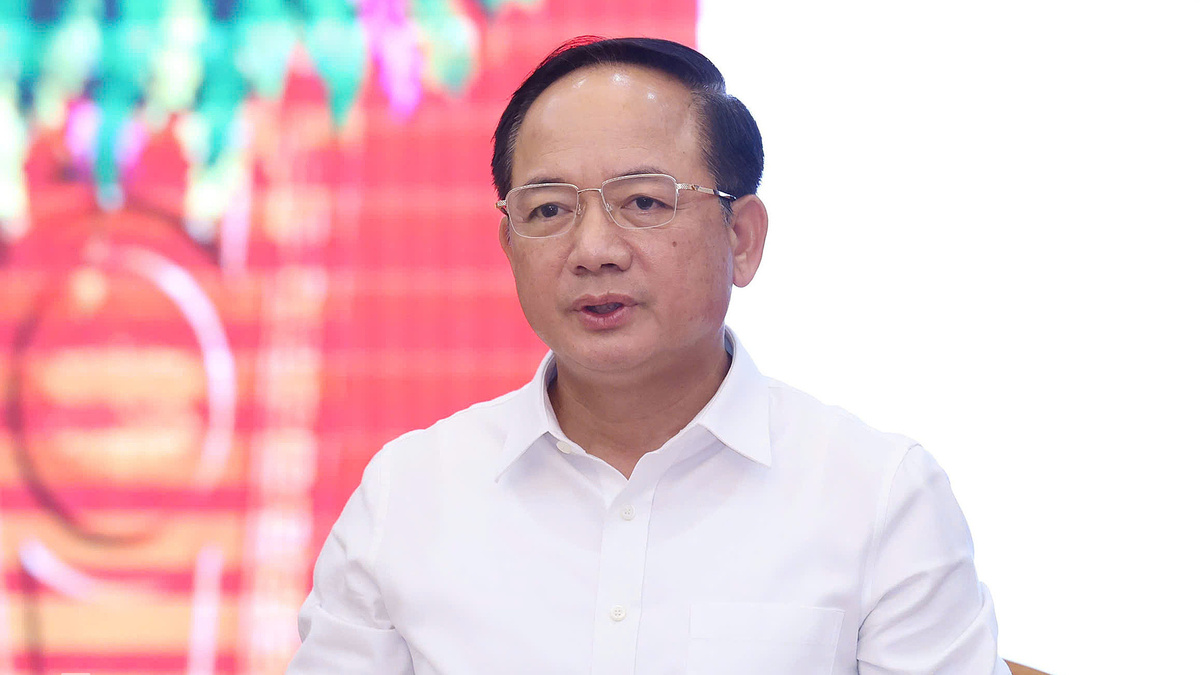
Trịnh Văn Quyết, head of the Central Propaganda and Information Department, has directed Vietnamese media outlets to shift their focus from mere reporting to policy analysis and recommendations. This move aims to build public trust and foster understanding of the nation's development path. The directive emphasizes analyzing policies in key areas like economic growth, social discipline, and cultural/human resource development, and clarifying the roles of the Party, government, and people in their implementation.
Trịnh Văn Quyết, head of the Central Propaganda and Information Department, has urged Vietnamese media outlets to shift their focus from mere reporting and data dissemination to analyzing, interpreting, and proposing policy solutions. Speaking at a meeting with media agencies on July 30, Quyết stated that well-timed and relevant articles serve as "cornerstones for building trust," while silence in the face of wrongdoing creates "a vacuum for evil." He emphasized that if the "four strategic shifts" are the "mandate of the times," then the media's shift is the "mandate of the people." Quyết called for revolutionary media to solidify its role as the mainstream information flow, acting as the voice of the Party and the people, helping citizens understand the nation's development path correctly. He stressed the need for a strong reform in media content and dissemination methods, increasing analysis and interpretation of policies, and overcoming the tendency for "protocol-style" reporting of activities and events. Media agencies are tasked with proactively identifying and analyzing issues and bottlenecks in practice, avoiding difficult topics, and preventing space for malicious or false information. Instead of waiting for information, media should actively gather, analyze, and deliver it to the public promptly and accurately. Furthermore, Quyết requested the media to disseminate positive values, honor good people and deeds, and inspire patriotism, national pride, and a desire to contribute. They should encourage what is right and good, and criticize negative behaviors. The three key propaganda focuses for the coming period include achieving double-digit economic growth targets, building a disciplined, safe, civilized, and harmonious society, and developing Vietnamese culture and people to meet the demands of the new era. He underscored that these focuses will only be effective when built on a foundation of social trust. Therefore, media must strictly adhere to verification processes, especially for content related to history, leaders, and revolutionary predecessors, ensuring accurate and objective information and avoiding errors. Quyết also proposed accelerating the application of AI, big data, and new technologies in content production and distribution, while clarifying that technology is a tool and cannot replace political conviction, professional responsibility, or the role of journalists. He urged regulatory bodies to proactively provide information early so the media can guide public opinion effectively, preventing situations where media are asked to lead while information is provided late. Quyết acknowledged the media's role as a bridge between the Party and the people and their success in disseminating strategic resolutions. He indicated that legal frameworks for journalism will continue to be improved, with the Politburo set to consider a strategy for ideological work in the new context, including building shared technical infrastructure for the entire media system. Deputy Prime Minister Phạm Thị Thanh Trà praised the media for their rapid and timely communication, which has helped people and businesses recognize the results of cutting and simplifying administrative procedures and resolving institutional bottlenecks. She urged the media to reflect the country's achievements more comprehensively and positively, proactively guide public opinion, analyze and provide feedback on policies, and fully leverage digital platforms to expand communication space. The government will study the construction of a shared database for media communication, refine economic-technical norms, establish an order mechanism for media content, and develop methods for evaluating communication effectiveness.
Original source
VnExpress