Vietnam Reflects on War Dead, Unidentified Remains Ahead of War Invalids and Martyrs' Day
Society
2026年7月21日
5
Nhan Dan
Relations
🇻🇳Vietnam🇺🇸United States

General articles are free for 24 hours after publish.

Vietnam Reflects on War Dead, Unidentified Remains Ahead of War Invalids and Martyrs' Day

Share
AI Summary

As Vietnam approaches War Invalids and Martyrs' Day, national sentiment turns to honoring soldiers who sacrificed for the country's independence. However, the unresolved issue of unidentified remains weighs heavily on many families, posing a significant social challenge.

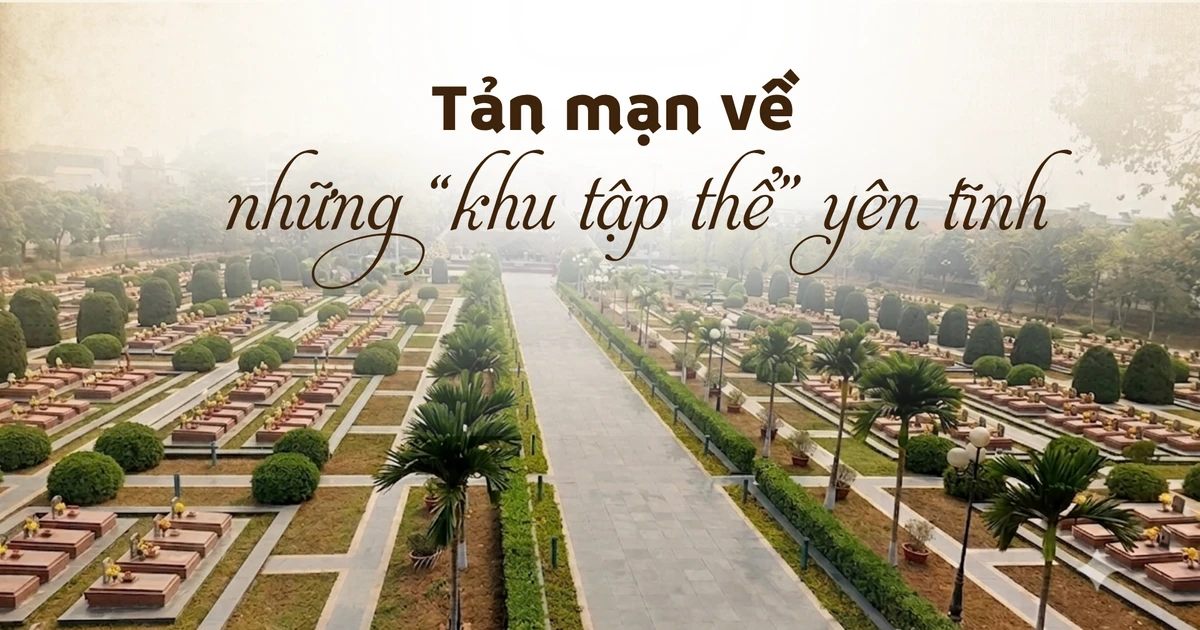
As Vietnam approaches War Invalids and Martyrs' Day on July 27th, a deep sense of remembrance for the soldiers who sacrificed their lives for the nation's independence and freedom permeates the country. Many citizens visit cemeteries, described by a playwright as "quiet collective housing," to honor the fallen. The remains of soldiers who died young lie in countless memorials and cemeteries across Vietnam. Decades after the war's end, many families still cannot locate the remains of their missing relatives. The author, whose grandfather died in the Vietnam War, shares the family's ongoing tradition of praying for his soul, without knowing the whereabouts of his remains. Before the July 27th commemoration, the author's father would offer special prayers for his father, imagining him as if he were still a soldier "on parade" or "marching," wishing him well. This personal experience resonates with many Vietnamese, reflecting profound grief over unidentified remains and a fervent hope for their eventual return to families. In July 2001, the inauguration of a memorial cemetery for martyrs of both wars in Tam Son commune, the author's hometown in Phu Tho province, brought many residents to tears. While the actual remains or personal effects were absent, rows of gravestones bearing names evoked memories of the many young lives lost. The construction of this cemetery deepened the community's appreciation for the immense sacrifices of previous generations and offered a measure of solace to families with missing loved ones. As a journalist, the author harbors a hope that their travels across Vietnam might contribute to resolving the issue of unidentified remains. Even if the grandfather's remains have returned to the earth, like many other families, there is a desire to welcome their relative back to their family and community. Each visit to a war martyrs' cemetery across the country includes lighting incense for unknown soldiers, a gesture mirroring the hope that someone will do the same for their grandfather's grave someday. This fragile thread of hope, the author believes, will weave the strong fabric of the nation. The war concluded with a "glorious victory that shook the world," but it also left behind vast cemeteries. The steps of visitors grow weary, yet they cannot light incense for every grave. The author has experienced the serene tranquility of the Mai Dich War Cemetery, sitting by the grave of Van Cao, the composer of the immortal national anthem. They have walked softly to preserve the silence amidst the rows of star-marked graves at the Hang Duong, Truong Son, and Duong 9 cemeteries. At the Nga Ba Dong Loc War Cemetery, they inhaled the gentle scent of the pandan tree, reminiscent of the hair of eighteen and twenty-year-old girls, as if glimpsing their presence. At the A1 War Cemetery, the author was deeply moved witnessing an elderly veteran, nearing the end of his life, visit Dien Bien, speaking as if standing before his troops or bidding his comrades a final farewell. Source: Nhan Dan

0

Original source

Nhan Dan

原文を読む