Cambodia Moves to Permanently Block Death Penalty Revival Through UN Treaty Ratification
Politics
2026年7月6日
5
Phnom Penh Post
Relations
🇰🇭Cambodia🌐United Nations / ASEAN

Cambodia Moves to Permanently Block Death Penalty Revival Through UN Treaty Ratification

AI サマリー

Cambodia announced plans to ratify a UN treaty permanently prohibiting the reintroduction of the death penalty, reinforcing over three decades of constitutional abolition. The Minister of Justice stated it's a new step consistent with Cambodia's constitution and international commitments.

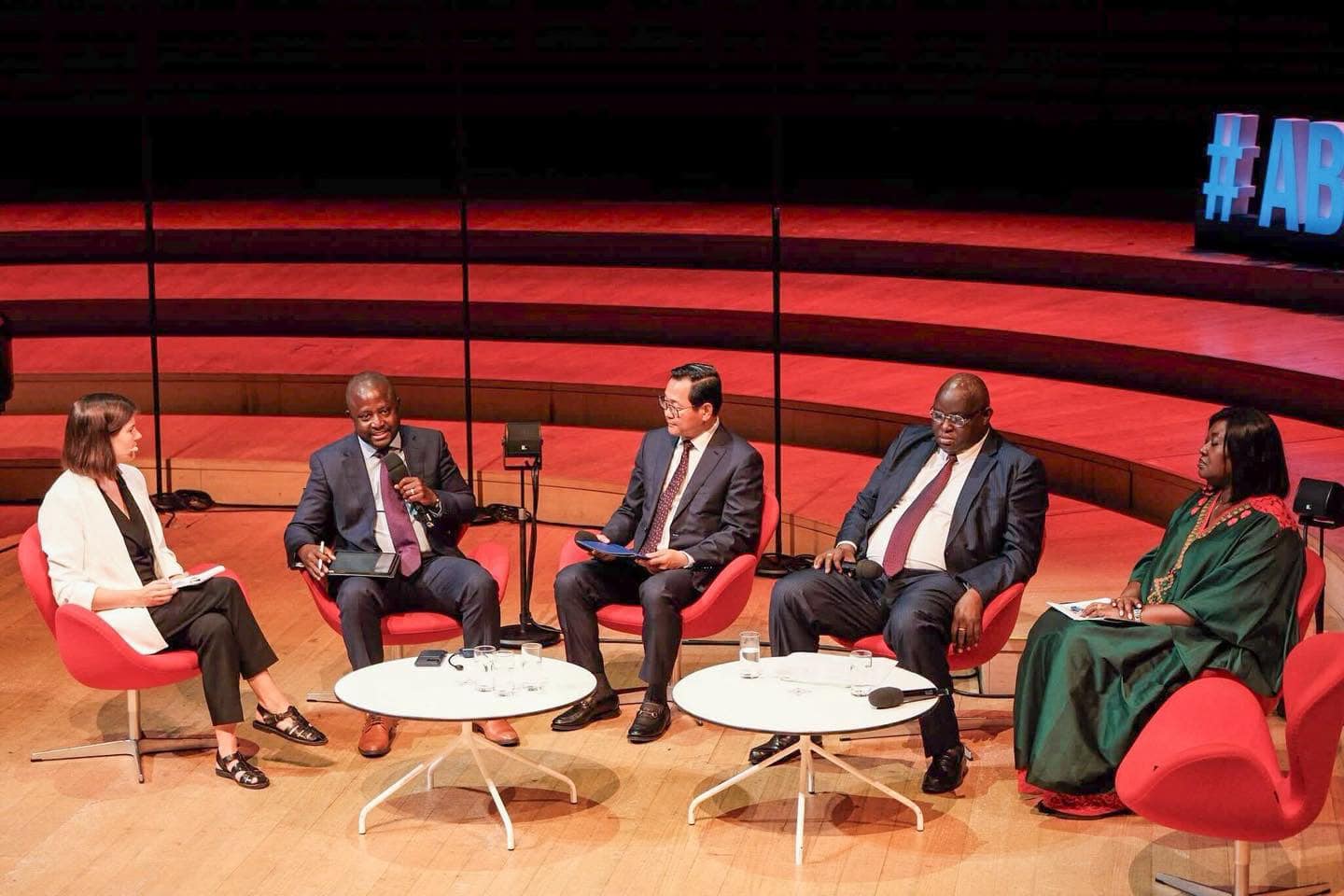
Cambodia has announced plans to ratify a key UN treaty that would permanently prohibit the reintroduction of the death penalty, reinforcing more than three decades of constitutional abolition. The announcement was made by Minister of Justice Koeut Rith during the Ninth World Congress Against the Death Penalty, held in Paris from June 30 to July 2. Rith reaffirmed the Royal Government’s commitment to ratifying the Second Optional Protocol to the International Covenant on Civil and Political Rights (ICCPR), an international treaty aimed at the global abolition of capital punishment. The conference brought together about 700 participants, including senior representatives from 19 countries and international organisations. French President Emmanuel Macron also addressed the gathering. According to the justice minister, Cambodia’s ratification of the protocol would align with both the country’s Constitution and its long-standing practice of rejecting capital punishment since 1989. “Ratification of the Second Optional Protocol is a new step that is consistent with Cambodia’s Constitution and more than three decades of practice,” Rith said. “It also reflects Cambodia’s firm commitment on the international stage to abolishing the death penalty and promoting human rights, justice and the dignity of every individual,” he added. Cambodia is one of only two countries in Southeast Asia to have completely abolished the death penalty. The punishment was first abolished in 1989 under the Constitution of the State of Cambodia before being permanently enshrined in the 1993 Constitution of the Kingdom of Cambodia. The justice ministry said the constitutional prohibition reflects Cambodia’s recognition of the right to life and respect for human dignity, principles consistent with international law and shaped by the country’s own tragic history. Cambodia’s experience under the Khmer Rouge regime, during which millions of people lost their lives, has played a significant role in shaping the country’s opposition to capital punishment. The ministry noted that abolishing the death penalty has become a constitutional principle rather than merely a policy choice. Once Cambodia completes ratification of the protocol, the country will assume a binding international legal obligation not to restore capital punishment in the future. The ministry said the decision demonstrates Cambodia’s continued engagement with international human rights mechanisms while reinforcing its commitment to protecting the right to life. The Philippines abolished the death penalty in 2006 through the enactment of Republic Act No. 9346, making it, alongside Cambodia, one of only two Southeast Asian countries to completely outlaw capital punishment. The announcement comes as countries around the world continue to debate the future of capital punishment, with the Paris congress serving as one of the leading global forums advocating for its universal abolition. For Cambodia, the planned ratification signals that its rejection of the death penalty is intended to remain permanent, both under domestic constitutional law and international legal obligations.

多角的分析

経済的影響

死刑廃止の国際条約批准は、直接的な経済効果をもたらすものではないが、カンボジアの国際的なイメージ向上に寄与する可能性がある。これは、特に人権や法の支配を重視する欧米諸国からの投資を呼び込む上で、間接的なプラス要因となり得る。長期的に見れば、安定した法制度と人権擁護へのコミットメントは、外国直接投資(FDI)の誘致において、より予測可能で魅力的な投資環境を提供することにつながる。

投資家心理

死刑制度の廃止は、投資家、特に欧米からの投資家にとって、カンボジアが国際的な基準や価値観に沿った国であるというシグナルとなる。これは、企業の社会的責任(CSR)やESG投資の観点から、投資判断に影響を与える可能性がある。直接的な投資リスクの低減というよりは、長期的な信頼性と持続可能性への評価を高める要因として機能すると考えられる。

社会的影響

カンボジアが死刑廃止を国際条約で永続化することは、クメール・ルージュ政権時代の悲劇的な歴史を乗り越え、人間の尊厳と生命の権利を社会の基盤とする決意を示すものである。これは、国民、特に過去の苦難を経験した世代にとって、過去のトラウマからの回復と、より公正で人道的な社会への希望を象徴する。この決定は、国内の司法制度における人権擁護の強化を促し、市民社会からの更なる人権保障への要求を高める可能性もある。

市民の声

死刑廃止の国際条約批准は、カンボジア国民、特にクメール・ルージュ時代の恐怖を経験した世代にとって、過去の悲劇を乗り越え、より人道的で公正な社会を築くという政府の意思表示として受け止められるだろう。これは、生命の尊厳が守られる社会への安心感につながる。一方で、犯罪に対する厳罰化を求める声も一部に存在する可能性があり、社会全体として死刑廃止の意義や、代替となる刑罰制度のあり方についての議論が深まることも考えられる。

背景・歴史的文脈

カンボジアにおける死刑廃止は、1970年代後半のクメール・ルージュ政権下での大量虐殺という、同国史上最も暗い時代に端を発する。この政権は、数百万人の国民を処刑し、生命の尊厳を根本から否定した。この経験は、カンボジア国民に死刑に対する強い反対意識を植え付けた。1989年のカンボジア国憲法で初めて死刑が廃止され、その後、1993年のカンボジア王国憲法で「生命に対する権利」が保障されるとともに、死刑は憲法上の原則として確立された。今回の国連条約批准は、この憲法上の原則を国際的な法的拘束力によってさらに強固にし、将来的な死刑復活の可能性を完全に排除するための措置である。

原文ソース

Phnom Penh Post

原文を読む