Cambodia Secures $115 Million from World Bank for Sustainable Energy Transition
Business
2026年7月22日
5
AKP Cambodia
Relations
🇰🇭Cambodia🇨🇳China

General articles are free for 24 hours after publish.

Cambodia Secures $115 Million from World Bank for Sustainable Energy Transition

Share
AI Summary

Cambodia has received a $110 million concessional loan and a $5 million grant from the World Bank to advance its sustainable energy transition projects. The funding will support the development of transmission lines, substations, and battery energy storage systems.

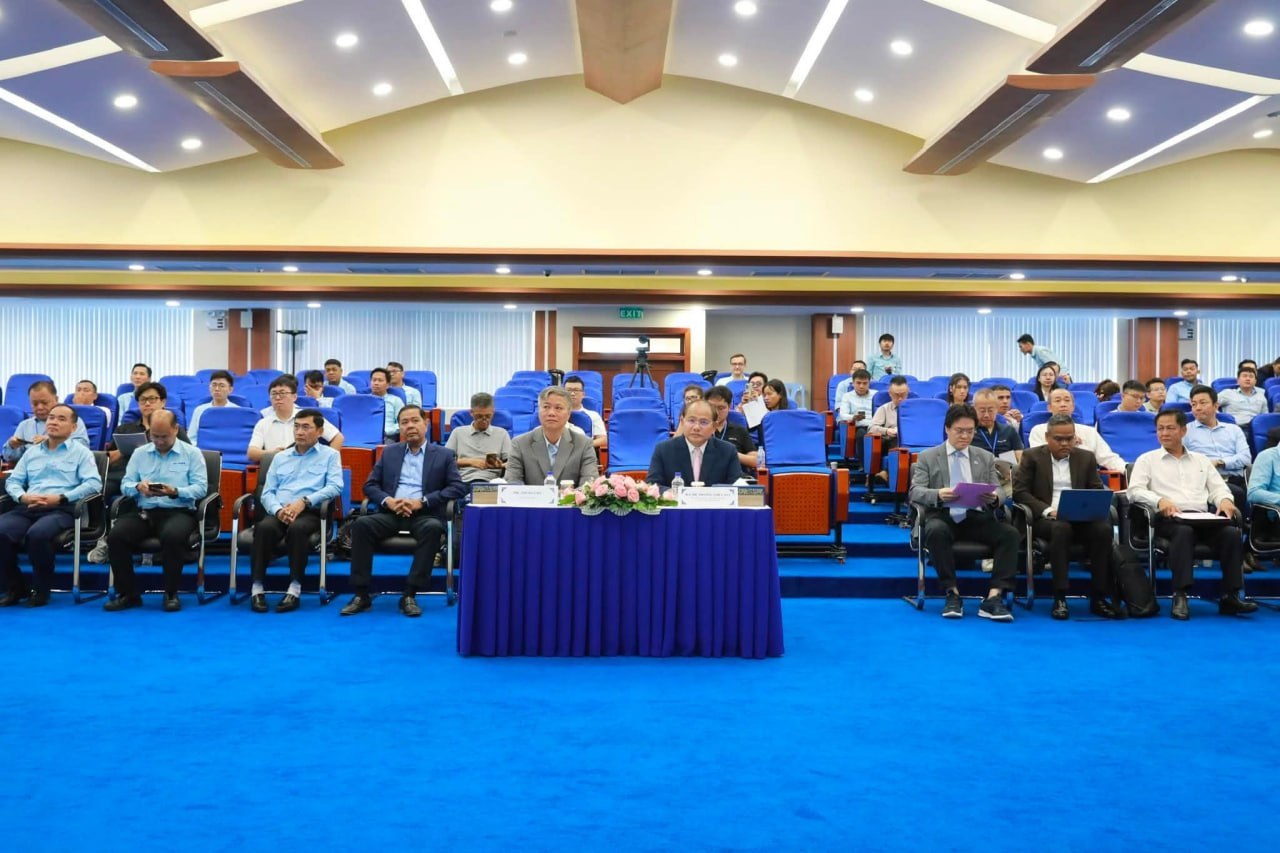
Cambodia has received a concessional loan of US$110 million and a grant of US$5 million from the World Bank to support its sustainable energy transition projects. The news was shared during a workshop on Early Market Engagement and Participation Status for the Battery Energy Storage System (BESS), Transmission Line, and Substation Projects under the Cambodia Sustainable Energy Transition (CSET) Project, funded by World Bank concessional financing. The event was held on July 22 under the chairmanship of H.E. Dr. Praing Chulasa, Delegate of the Royal Government of Cambodia in Charge of Managing Electricité du Cambodge. The project is implemented by the Ministry of Mines and Energy and Electricité du Cambodge (EDC). The scope of work under EDC includes the construction of transmission lines and electrical substations, a battery energy storage system (BESS), and distribution grid expansion and reinforcement including the preparation of electric vehicle (EV) charging infrastructure, distribution grid setup, and Advanced Metering Infrastructure (AMI). In accordance with World Bank procurement procedures, the workshop was organised to present the project scope, implementation plans, technical specifications, and procurement procedures. It also aimed to solicit feedback from construction companies, equipment suppliers, and relevant stakeholders to promote fair competition, transparency, and international implementation standards. Expanding the transmission grid, substations, and distribution network will enhance power supply capacity, improve quality, and ensure power stability in high-demand areas. It will also increase electricity supply capacity in rural areas, particularly for remaining low-income households included in the final phase of the project. Furthermore, the EV charging infrastructure will help reduce fossil fuel consumption in the transport sector, while the Advanced Metering Infrastructure (AMI) will ensure a smart power grid and reduce operational costs.

0

Original source

AKP Cambodia

原文を読む