General articles are free for 24 hours after publish.
Two Ancient Brick Tombs from 4th-6th Centuries Discovered in Nghe An
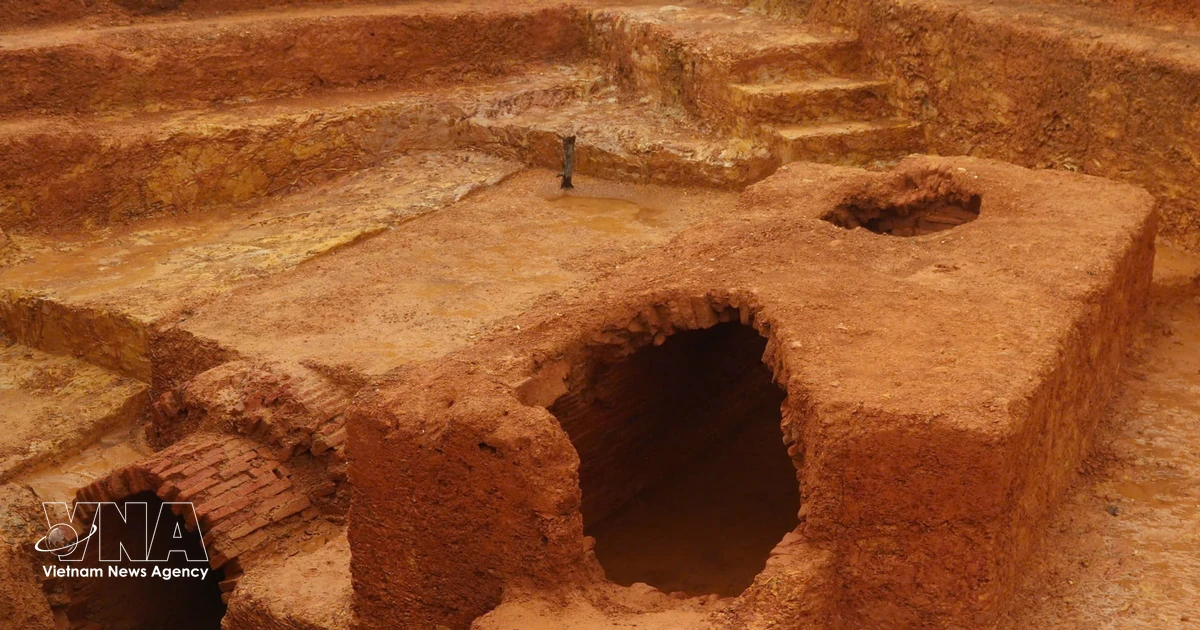
Two ancient brick tombs, provisionally dated to the 4th-6th centuries, have been unearthed in Nghe An Province, Vietnam, during an emergency excavation. The discovery includes numerous valuable burial objects, offering significant insights into the region's past culture and society.
An emergency excavation in Kim Lien Commune, Nghe An Province, has uncovered two ancient brick tombs provisionally dated to the 4th–6th centuries, along with a range of valuable burial objects. The discovery is considered highly valuable academically for deepening the understanding of Vietnam's history, particularly ancient burial customs and material culture. The unearthed items include pottery and ornaments, suggesting the craftsmanship and extent of trade during that period. Vietnam has a history of discovering diverse cultural heritage, and this latest find is drawing attention as one such example. The government is promoting the protection and research of cultural heritage, and such discoveries serve as opportunities to present Vietnam's rich historical background both domestically and internationally. Under its one-party system, the Vietnamese government prioritizes economic growth while also focusing on the protection of its historical and cultural heritage. The discovery of ancient sites, in particular, is expected to contribute to the formation of national identity and be utilized as a tourism resource, leading the government to continue its support for excavation and preservation activities. In recent years, while economic ties between Vietnam and China have strengthened, tensions also exist over issues such as the South China Sea. In this context, the discovery of Vietnam's unique historical heritage may help reaffirm Vietnamese identity and highlight its distinct position in the region. Further dating and detailed analysis of the burial objects are expected to yield new insights into the social structure and cultural exchanges of the time.
Original source
VietnamPlus English