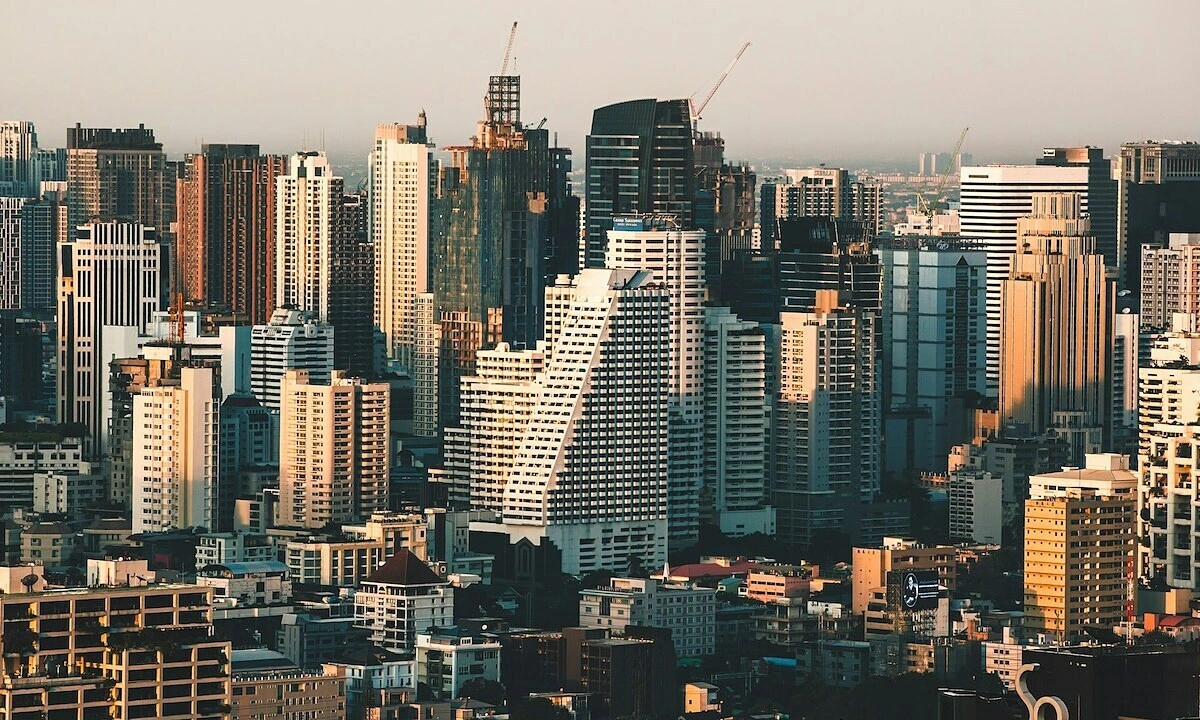
Bangkok Leads Southeast Asia in Ultra-Rich Population Growth
Bangkok is projected to see its ultra-high-net-worth (UHNW) population grow by over 50% by 2030, making it Southeast Asia's fastest-expanding wealth hub, according to a report by U.S. firm Altrata. This growth is attributed to a combination of strong domestic entrepreneurship and growing international appeal.
Bangkok is poised to become Southeast Asia's fastest-expanding wealth hub, with its ultra-high-net-worth (UHNW) population projected to surge by over 50% by 2030. According to a recent report by U.S.-based wealth intelligence firm Altrata, the number of UHNW individuals in Thailand's capital is forecast to rise to approximately 1,840 by 2030, up from 1,210 in 2025, representing an average annual increase of 8.7%. The projection places Bangkok as the world's 12th-fastest-growing major UHNW city among the 100 largest urban economies by nominal GDP. Maya Imberg, senior director and head of thought leadership and analytics at Altrata, noted, "Bangkok stands out not only because of the pace of its wealth creation, but also because it combines strong domestic entrepreneurship with growing international appeal." She added that Bangkok is expected to see one of the fastest increases in its ultra-wealthy population over the next five years, further cementing its position as an emerging global wealth centre. The report found that most UHNW individuals based in Bangkok are self-made entrepreneurs, though many received support from inherited capital in the early stages of their businesses. Globally, the UHNW population reached a record 556,850 individuals in 2025, marking a 14.4% increase from the previous year and the strongest expansion since 2017. Among Asian cities, Hong Kong has the highest number of UHNW individuals at 18,290, ranking second globally behind New York (23,785). Altrata expects the global UHNW population to reach 746,570 by 2030, with total wealth increasing to $85 trillion. In the context of Vietnam, Bangkok's significant growth in its UHNW population highlights the economic dynamism and evolving investment landscape in Southeast Asia. Vietnam itself has experienced remarkable economic growth in recent years, with cities like Ho Chi Minh City and Hanoi seeing an increase in affluent populations and new investment opportunities. However, Vietnam's development under a one-party system means the sustainability of its growth, wealth distribution, and international capital inflows will be crucial focal points. Furthermore, in its relations with China, maintaining economic influence and geopolitical balance amidst regional economic integration will be a key challenge for Vietnam's foreign policy. Source: VnExpress International
多角的分析
バンコクにおける超富裕層人口の増加は、東南アジア地域全体の経済的成熟と投資魅力の高まりを示唆しています。これは、地域内での資本蓄積と国際的な資金流入の活発化を意味し、特に製造業やサービス業における新たなビジネスチャンスの創出につながる可能性があります。ベトナム経済も近年、輸出主導型成長を背景に堅調に推移しており、この地域の富裕層人口の増加は、ベトナム国内の消費市場拡大や、外国直接投資(FDI)のさらなる誘致に寄与する可能性があります。しかし、一党体制下での経済政策の予見可能性や、インフラ整備の遅れなどが、潜在的なリスク要因として指摘されることもあります。
バンコクの超富裕層人口の急増は、投資家にとって魅力的な市場であることを示しています。特に、不動産、高級消費財、金融サービスといった分野への投資機会が増加すると考えられます。ベトナムの投資家は、こうした地域のトレンドを注視し、自国の経済成長と結びつけて投資戦略を練る必要があります。ベトナム国内では、テクノロジー、再生可能エネルギー、インフラ開発などの分野が、長期的な成長ポテンシャルを持つと見られており、国際的な富裕層の関心を引きつける可能性があります。ただし、ベトナムの法規制や市場の透明性に関する懸念は、依然として投資家が考慮すべき点です。
バンコクにおける超富裕層の増加は、社会的な格差の拡大という側面も持ち合わせています。富裕層の増加は、都市部における高級不動産やサービスの需要を高め、それらが一般市民の生活コスト上昇につながる可能性があります。ベトナムにおいても、経済成長の恩恵が一部に集中する傾向が見られ、所得格差の是正は公共の課題となっています。都市部での生活費の上昇は、特に若年層や地方からの移住者にとって大きな負担となり、社会的な不満の原因となる可能性も否定できません。また、教育や医療といった基本的なサービスへのアクセスにおける格差も、社会的な課題として顕在化する可能性があります。
バンコクの超富裕層人口の増加は、東南アジア地域全体の経済的活況を示す一方、ベトナム市民にとっては、国内の経済成長がどのように自身の生活に還元されるかが関心事となります。特にハノイやホーチミン市のような主要都市では、物価の上昇や住宅費の高騰が、一般市民の生活を圧迫する要因となる可能性があります。ベトナム政府は、経済成長と国民生活の向上を両立させる政策運営が求められており、富の公平な分配や、中間層・低所得者層の生活支援策の重要性が増しています。SNSなどを通じて、こうした経済格差に関する市民の懸念や不満が表面化する場面も増えています。
背景・歴史的文脈
ベトナムは、1986年のドイモイ(刷新)政策以降、市場経済化を進め、目覚ましい経済成長を遂げてきました。一党体制下で、政府は経済発展を最優先課題とし、外国直接投資(FDI)を積極的に誘致してきました。この成長は、特に製造業と輸出に牽引されており、中間層の拡大と一部富裕層の出現につながっています。しかし、経済成長の恩恵は均等に行き渡らず、都市部と地方、あるいは富裕層と一般市民の間での所得格差が課題となっています。また、中国との経済的な結びつきが強い一方、地政学的な緊張も抱えており、経済的自立と安全保障のバランスをいかに取るかが、ベトナムの長期的な国策の焦点となっています。バンコクの富裕層増加は、こうした地域経済のダイナミズムの中で、ベトナムがどのように位置づけられ、どのような機会と課題に直面するかを示唆しています。
原文ソース
VnExpress International