Thai Gas Prices Surge Amid US-Iran Conflict, Burdening Households
Economy
2026年7月22日
3
Chiang Rai Times
Relations
🇹🇭Thailand🇺🇸United States

General articles are free for 24 hours after publish.

Thai Gas Prices Surge Amid US-Iran Conflict, Burdening Households

Share
AI Summary

Ongoing conflict between the United States and Iran is impacting global oil markets, leading to a surge in gasoline prices across Thailand. This is burdening Thai households and raising concerns about price increases for essential goods.

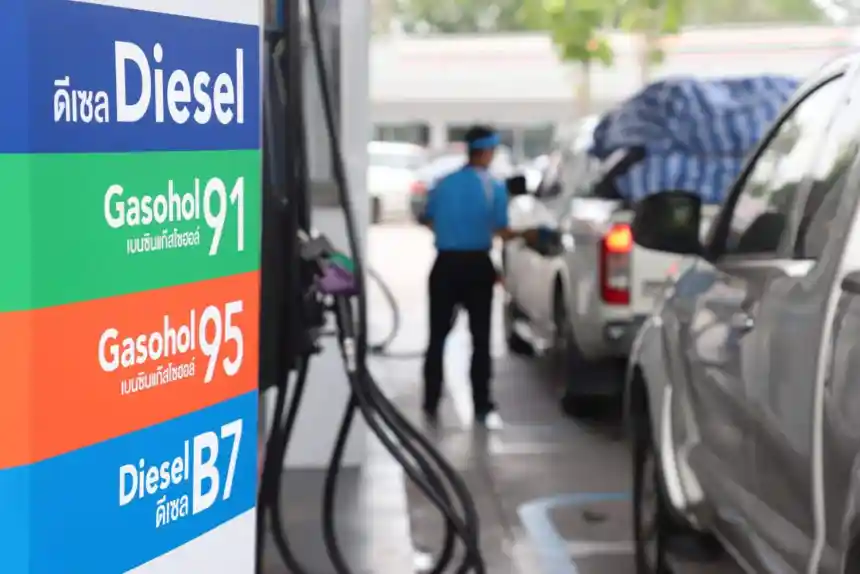
Thailand is experiencing a surge in gasoline prices as the ongoing conflict between the United States and Iran impacts global oil markets. Drivers across the nation are feeling the pinch at the pump, leading to increased pressure on household budgets. The Middle East crisis has driven up global crude oil costs, and these shocks have now reached Thai gas stations. Tensions in the Strait of Hormuz, a critical chokepoint for about one-fifth of the world's daily oil trade, are creating significant uncertainty in energy markets. Cargo ships are being forced to take longer and more expensive routes to avoid the conflict zone, further increasing transportation costs. Thailand's heavy reliance on Middle Eastern crude oil imports, accounting for approximately 58% of its supply, makes it particularly vulnerable. Disruptions to safe sea lanes could have severe implications for the country's energy reserves and overall economic stability. On July 22, major Thai energy companies, including PTT Oil and Retail Business Plc and Bangchak Corporation Plc, announced retail price increases. Most gasoline, gasohol, and diesel products saw a hike of 0.85 baht (85 satang) per liter, directly reflecting higher crude oil import costs. The rise in fuel costs directly affects the daily lives and budgets of Thai citizens. Increased transportation expenses often translate into higher prices for food and everyday goods, forcing many families to stretch their monthly budgets. Furthermore, disruptions in the Red Sea and Gulf routes are affecting Thailand's liquefied natural gas (LNG) imports, potentially leading to higher household electricity bills in the future. Analysts warn that if the conflict continues, retail diesel prices could climb even higher, and the government may need to implement additional subsidies to protect the economy from further inflation. Finding sustainable solutions will be crucial for the country as the war drags on.

0

Original source

Chiang Rai Times

原文を読む