Typhoon Inday, Monsoon Leave 17 Dead, Over 514,000 Affected
Environment
2026年7月11日
4
Philstar Nation

Typhoon Inday, Monsoon Leave 17 Dead, Over 514,000 Affected

AI サマリー

Typhoon Inday and the enhanced southwest monsoon have caused at least 17 deaths and affected over 514,000 people across the Philippines. The government is providing assistance to those impacted.

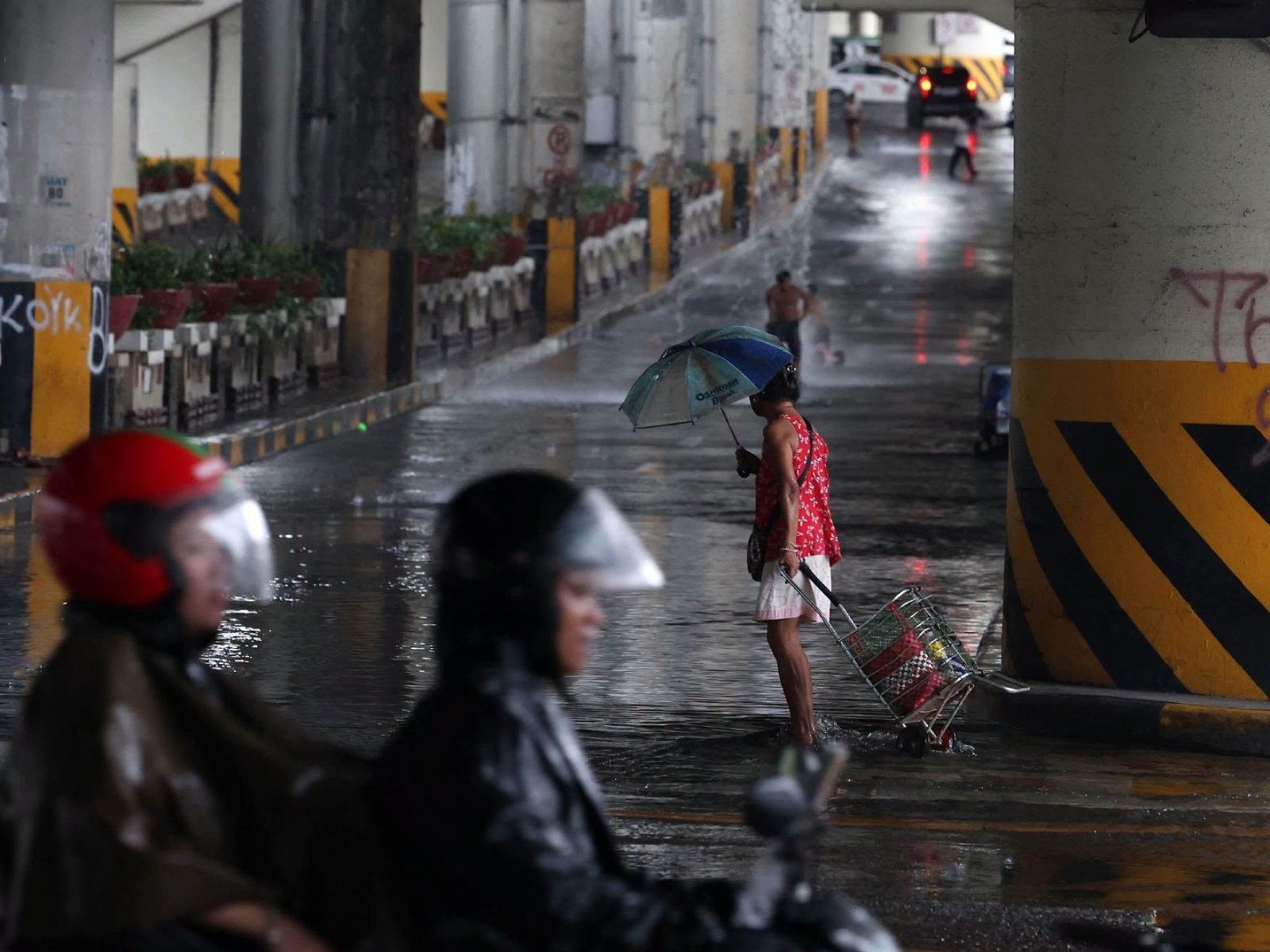
MANILA, Philippines — At least 17 people have died while more than half a million people have been affected by Typhoon Inday (international name: Bavi) and the enhanced southwest monsoon or habagat, the National Disaster Risk Reduction and Management Council (NDRRMC) said Saturday. In its 6 a.m. situational report, the NDRRMC said 17 fatalities had been recorded due to drowning and landslides, although all reported casualties are still subject to validation. Ten of the reported deaths were from Malapatan, Sarangani, five were from Calanogas, Lanao del Sur, and two were from Bukidnon. The disaster agency also reported four injured individuals, including two from Calanogas and one each from Torrijos, Marinduque, and Malapatan. All were injured in separate landslide incidents. Meanwhile, nine people remain missing — six from Calanogas and three from Malapatan. The combined effects of Inday and the southwest monsoon have affected 112,500 families, or around 514,700 individuals, across the country, according to the NDRRMC. Of those affected, around 2,900 families have been displaced and are temporarily staying in 77 evacuation centers. The NDRRMC said the government has so far extended P16.41 million worth of assistance to affected residents. Earlier Saturday, PAGASA announced that Inday had exited the Philippine Area of Responsibility (PAR) at 8:20 a.m. As of 10 a.m., the typhoon was located 590 kilometers north-northeast of Itbayat, Batanes, with maximum sustained winds of 140 kilometers per hour and gusts of up to 170 kph. Although Inday has left PAR, PAGASA said the southwest monsoon, enhanced by the typhoon, may continue to bring rains over parts of the country.

多角的分析

経済的影響

台風とモンスーンによる影響は、農作物やインフラへの損害を通じて経済活動に直接的な打撃を与えます。特に、被災地域が農業や漁業に依存している場合、生産性の低下は地域経済の停滞を招き、物価上昇につながる可能性があります。また、避難生活を余儀なくされた住民の生活再建には、長期的な経済的支援と雇用機会の創出が不可欠です。政府の支援額は限定的であり、民間セクターや国際社会からの支援も重要となります。

投資家心理

自然災害はフィリピン経済における投資リスク要因の一つです。特に、インフラへの被害はサプライチェーンの寸断や物流コストの増加を招き、企業活動に影響を及ぼします。長期的な視点では、気候変動への適応策や災害に強いインフラ整備が進むかどうかが、投資環境の安定性に影響を与えるでしょう。短期的な影響としては、被災地域における消費の冷え込みや、復旧・復興関連産業への一時的な投資機会が考えられます。

社会的影響

今回の災害は、特に脆弱な立場にあるコミュニティに深刻な影響を与えています。避難生活は衛生環境の悪化や感染症のリスクを高め、教育機会の喪失にもつながります。サランガニ州やラナオ・デル・スル州など、地理的に災害の影響を受けやすい地域では、インフラ整備の遅れや貧困が被災者の脆弱性をさらに増幅させていると考えられます。被災者の心理的なケアや、長期的な生活再建支援体制の強化が喫緊の課題です。

市民の声

台風とモンスーンによる影響は、フィリピン国民の生活に直接的な困難をもたらしています。住居の損壊や家財道具の喪失は、多くの家族に経済的・精神的な負担を強いています。特に、避難生活を強いられている人々は、食料、水、衛生設備へのアクセスが限られ、健康リスクに直面しています。被災地域では、インフラの復旧が遅れることで、日常生活への復帰が困難になるケースも少なくありません。政府の支援は行われていますが、被災規模を考えると、さらなる支援と長期的な復興計画が求められています。

背景・歴史的文脈

フィリピンは「太平洋の火の環」上に位置し、台風銀座とも呼ばれる地域にあり、自然災害のリスクが非常に高い国です。特に南西モンスーン(ハバガット)は、毎年6月から10月にかけて、フィリピンに大量の降雨をもたらし、洪水や土砂崩れを引き起こす主要因となっています。過去にも、2013年の台風ヨランダ(ハイエン)では甚大な被害が発生し、国の防災体制やインフラの脆弱性が改めて浮き彫りになりました。今回の台風インデイとモンスーンの複合的な影響は、気候変動による異常気象の頻発化・激甚化という世界的な傾向とも無関係ではなく、フィリピンの災害対策における継続的な課題を示唆しています。

原文ソース

Philstar Nation

原文を読む