General articles are free for 24 hours after publish.
Vietnam Expands Central-Directly Governed Cities to Nine, Focusing on Economic Growth and Regional Development
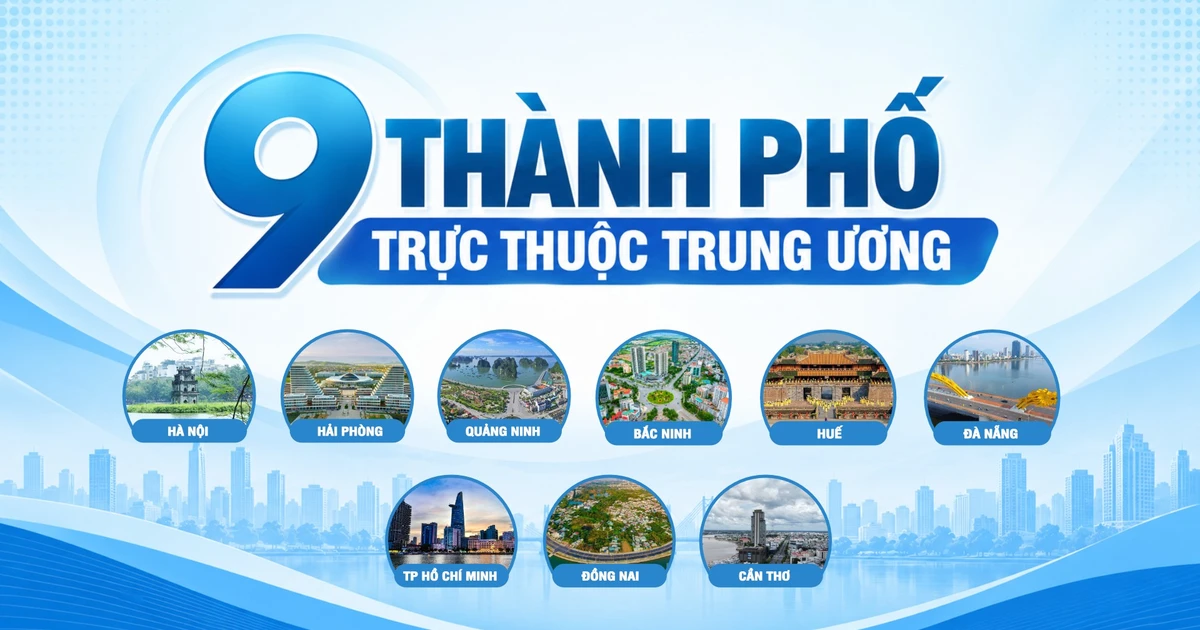
Vietnam has designated Hue, Dong Nai, Quang Ninh, and Bac Ninh as new centrally-governed cities, joining Hanoi and Ho Chi Minh City. This expansion is expected to boost regional economies and strengthen national development strategies.
Vietnam has announced the expansion of its centrally-governed cities from the previous five to nine. The newly designated cities include Hue, a historical and cultural center; Dong Nai province, a key hub in the southern economic corridor; Quang Ninh province, an important base in the northern economic region; and Bac Ninh province, which has undergone rapid industrialization in recent years. These four cities will now be under the direct jurisdiction of the central government, joining Hanoi, Ho Chi Minh City, Hai Phong, Da Nang, and Can Tho. The elevation to centrally-governed city status aims to enhance local administrative authority, improve financial autonomy, and enable quicker decision-making, thereby stimulating regional economies and advancing national development strategies. Dong Nai and Bac Ninh, in particular, are expected to strengthen their roles as manufacturing hubs in Vietnam and attract further foreign investment. Quang Ninh province will aim to develop as a logistics and industrial cluster, leveraging its rich natural resources and port infrastructure. Hue will be tasked with building a sustainable development model centered on cultural heritage preservation and tourism development. Under Vietnam's one-party system, the central government's promotion of regional development plans is a crucial driver of economic growth. This expansion of city designations can be interpreted as part of a national strategy to maximize the potential of local areas, correct inter-regional disparities, and maintain an economic and geopolitical balance with China. These cities will likely receive more focused support in infrastructure development, industrial promotion, and human resource training going forward.
Original source
Nhan Dan