Saigon's Enduring Name: A Vietnamese Reporter's Memories and Reality
Returning to Saigon after 35 years, a reporter finds the name 'Saigon' lingering in the city, reflecting lost history and persistent memories. The article explores the former 'Pearl of the Orient,' its wartime scars, and the enduring spirit of the city in the hearts of those who left.
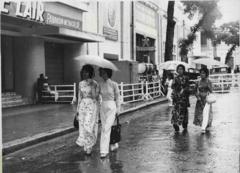
Returning to Vietnam after 35 years, a reporter finds the name 'Saigon' still alive in various forms across the city. Although officially renamed Ho Chi Minh City nearly 50 years ago, the reporter's eyes see the lost past and enduring identity reflected in hotel signs, cafe names, and even the phrase 'Saigon people.' The reporter captures fragments of memories etched into the cityscape as they revisit places from their student days. This experience serves as a stark reminder of the renaming, an event they had tried to process as a mere historical footnote. However, what resonates even more deeply are the city's name and the personal memories associated with it: the first ao dai worn, cycling to school with friends, music in cafes, and the shadow of war. In the reporter's memory, Saigon, once known as the 'Pearl of the Orient,' is not about grandeur but about the everyday morning scenes, the distant sound of food carts, and songs from the 1960s. Simultaneously, vivid recollections emerge of the war's impact: empty seats in classrooms, friends who lost family, and young men conscripted and never returning. In early 1975, Vietnam, for the reporter, was encapsulated in the 'beautiful yet painful city of Saigon.' The chaotic days just before leaving the city are also unforgettable memories for the reporter. People exchanged information about departures by ship and plane, harboring anxieties about the future, yet carrying the name 'Saigon' and a jumble of memories in their hearts – things that did not fit in their luggage but would never be lost. Even years after the official renaming, Saigon continues its unique life in the hearts of expatriates, within music, media, eateries, and Tet calendars, the reporter writes. Source: BBC Vietnamese
多角的分析
ベトナム経済の成長は目覚ましいが、都市の名称変更が象徴するように、過去の歴史的経緯と現在の経済発展との間には、しばしば認識の断絶や、地域間の経済格差といった課題が潜んでいる。サイゴン(現ホーチミン市)は依然として経済の中心地であり、その名称へのこだわりは、経済活動の継続性や地域アイデンティティの維持という側面も持つ。しかし、公式名称との乖離は、行政やビジネスにおける混乱を招く可能性も否定できない。
ベトナムへの投資家にとって、都市の名称変更は直接的な投資リスクとはなりにくいが、その背景にある歴史的・政治的文脈は無視できない。サイゴンという名称が、特に海外在住ベトナム人コミュニティや、過去の歴史を知る層に根強く残っている事実は、ベトナム社会の多様な側面を示唆している。投資判断においては、公式な行政区分だけでなく、こうした社会的な認知やアイデンティティの側面も理解することが、長期的なリスク管理に繋がる可能性がある。
都市の名称変更は、単なる行政上の手続きにとどまらず、住民のアイデンティティや記憶に深く関わる社会的な問題である。サイゴンという名称が、特に旧世代や海外在住者にとって、青春時代や失われた過去の象徴として強く刻まれていることは、ベトナム社会の世代間、あるいは国内外での価値観の断絶を示唆している。公式名称への移行が、こうした人々の感情や記憶とどのように折り合いをつけていくのかは、社会統合における重要な課題と言える。
サイゴンという名称が、多くの市民、特に長年この街に住む人々や、かつてこの地を離れた人々にとって、単なる地名以上の意味を持つことが示唆されている。それは、青春の思い出、家族との絆、あるいは失われた過去への郷愁といった、個人的で感情的な結びつきの象徴である。公式名称がホーチミン市であるにもかかわらず、サイゴンという言葉が日常的に、あるいは記憶の中で生き続けている事実は、人々の生活実感と公式な記録との間に存在する、感情的な隔たりを浮き彫りにしている。
背景・歴史的文脈
サイゴンは、ベトナム戦争終結後の1976年7月2日、公式にホーチミン市と改称された。これは、ベトナム戦争における北ベトナムの勝利と、ベトナム統一を象徴する出来事であり、旧体制の痕跡を消し去る政治的な意図が強く働いていた。しかし、改称後も、特に海外在住のベトナム人コミュニティや、都市の経済活動、文化的な文脈において、「サイゴン」という名称は根強く使われ続けている。この現象は、政治的な決定と、人々の記憶やアイデンティティ、経済活動との間に生じる乖離を示している。
原文ソース
BBC Vietnamese