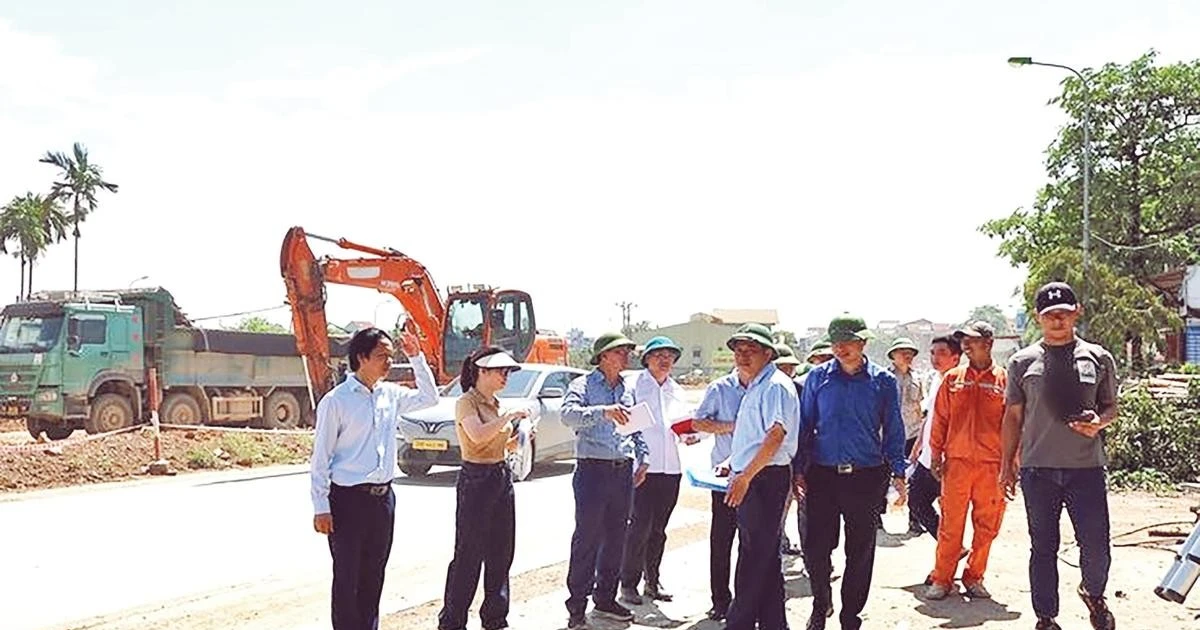
Vietnam's Two-Tier Government Model Shows Significant Efficiency Gains
Technology
2026年6月29日
5
Nhan Dan

Vietnam's Two-Tier Government Model Shows Significant Efficiency Gains

AI サマリー

Vietnam's two-tier administrative model is proving effective in enhancing local governance efficiency and citizen services. By streamlining bureaucracy and clarifying responsibilities, the system has accelerated procedures and improved transparency, supporting economic growth and digitalization.

Vietnam's two-tier administrative model, piloted in various localities, is demonstrating significant improvements in local governance efficiency and citizen services after nearly a year of operation. The model aims to streamline bureaucracy by reducing intermediate administrative layers and enhancing direct citizen engagement. For instance, Liên Minh xã, newly established from the merger of four former xã with a population of nearly 50,000, has seen its new administrative apparatus quickly stabilize and operate smoothly. This has eliminated previous overlaps and delays, with the commune implementing the principle of "6 Clarities" (clarity on personnel, tasks, timelines, responsibilities, deliverables, and authority), ensuring each task has a specific responsible person and progress is closely monitored. Nguyễn Tiến Toàn, Secretary of the Liên Minh xã Party Committee, stated, "Organizing the two-tier government is not just about reorganizing the apparatus, but more importantly, about improving the quality of local governance. When functions and responsibilities are clearly defined, work is resolved faster and more effectively. Citizens find it more convenient to resolve administrative procedures or access local policies." In 2025, Liên Minh xã is projected to meet or exceed all 12 city-assigned targets, with state budget revenue reaching 119.7% of the estimate and per capita income hitting 89.5 million VND annually. In the first six months of 2026, the locality continues to maintain stable development, with many socio-economic indicators meeting or exceeding plans. Alongside institutional reform, Liên Minh is also a pioneer in grassroots digital transformation. Currently, 100% of documents are processed electronically, 80% of administrative procedure records are digitized, and 100% of officials use digital signatures. Digital platforms like iHanoi, 24/7 chatbots, and electronic document management systems are effectively utilized, shortening processing times and enhancing transparency. Digital transformation also extends to citizens' daily lives through models such as "Cashless Payment Markets" and "Digital Transformation Villages," promoting digital habits within the community. At Phú Nghĩa xã, the effectiveness of the two-tier government model is evident in its capacity to manage socio-economic development tasks and resolve complex local issues. Following the model's implementation, the commune's administrative apparatus has become leaner, and the responsibility of leaders and staff has been enhanced. Many tasks previously requiring multiple review stages are now resolved faster due to clearer decentralization and delegation of authority to the commune level. The rate of administrative procedures resolved on or before deadlines has reached 100%. Nguyễn Hữu Thái, a resident of Phú Nghĩa xã, shared, "My family has elderly members, so we are always cared for by village and commune officials who guide us on specific benefits and policies. Benefit payments are now more convenient, with many amounts transferred directly to bank accounts, ensuring transparency." In 2025, the growth rate of the total product value in the area reached 8.5%. A significant challenge for the commune's administration has been land clearance for key projects, which has seen considerable progress. For the project to renovate and upgrade National Highway 6, Ba La - Xuân Mai section, by the end of June 2026, the commune had handed over 1,355 out of 1,366 plots within the project area, achieving 99.8% of the land required for clearance to the construction unit. Beyond economic development, Phú Nghĩa xã dedicates substantial resources to social welfare. In 2026, the Commune Fatherland Front mobilized organizations, individuals, and businesses to support the construction and repair of 31 houses, valued at over 1.7 billion VND, assisting disadvantaged households in securing safe housing. Trịnh Tiến Tường, Secretary of the Phú Nghĩa xã Party Committee, stated, "The two-tier government model has enabled the locality to be more proactive in management and operations, shortening work processing procedures, enhancing the responsibility of the staff, and most importantly, serving the people better." Source: Nhan Dan

多角的分析

経済的影響

二段階行政体制の導入は、行政コストの削減と効率化を通じて、地方経済の活性化に寄与すると考えられる。中間層の削減は、意思決定の迅速化と、より直接的なリソース配分を可能にし、地域経済の成長を後押しする。また、デジタル化の推進は、行政サービスの向上だけでなく、新たなビジネス機会の創出や、サプライチェーンの効率化にも繋がる可能性がある。これは、ベトナム政府が推進する「デジタル経済」戦略とも合致しており、経済成長の持続可能性を高める要因となりうる。

投資家心理

行政手続きの迅速化と透明性の向上は、国内外からの投資にとって非常に魅力的である。特に、地方レベルでの意思決定プロセスが簡素化されることは、プロジェクトの遅延リスクを低減し、投資回収期間の短縮に繋がる。デジタル化の進展は、ビジネス環境の近代化を示す指標であり、IT関連産業や、デジタルインフラへの投資機会を創出する可能性がある。ただし、地方レベルでのデジタルインフラの整備状況や、法制度の整備が投資判断の重要な要素となる。

社会的影響

行政手続きの迅速化と職員の責任明確化は、市民の行政サービスへのアクセスを改善し、不満を軽減する。特に、高齢者や困難を抱える人々への支援がスムーズに行われることは、社会的な安定に寄ちする。デジタル化の推進は、地域社会におけるデジタルデバイド(情報格差)を生む可能性も指摘されるが、一方で、オンラインサービスへのアクセス向上は、時間的・地理的な制約を緩和する。例えば、Phú Nghĩa xã での家屋支援は、迅速な手続きと透明な資金管理によって、より多くの困窮者が恩恵を受けられるようになった。しかし、デジタル化の恩恵が全ての市民に行き渡るよう、包括的なアプローチが求められる。

市民の声

市民にとっては、行政手続きの待ち時間が短縮され、担当部署が明確になることで、煩雑な事務作業の負担が軽減される。例えば、年金や各種給付金の受け取りが銀行口座振込になることは、利便性と透明性を向上させる。また、デジタル化された行政サービスは、時間や場所を選ばずに利用できるため、特に都市部やデジタルリテラシーの高い層にとっては、生活の質向上に繋がる。しかし、デジタル機器やインターネット環境を持たない高齢者や低所得者層は、新たな情報格差に直面する可能性があり、彼らへの配慮も重要となる。

背景・歴史的文脈

ベトナムの行政機構は、歴史的に中央集権的であり、地方レベルでの意思決定には多くの段階と承認プロセスが必要とされてきた。これは、地方の実行能力の低下や、市民からの不満の一因となっていた。2018年以降、ベトナム政府は行政改革の一環として、地方行政の効率化と簡素化を進めるため、行政区画の再編や、権限委譲の検討を行ってきた。特に、2022年頃から、複数の xã を合併してより大きな xã を形成し、中間層を削減する「二段階行政体制」の試験導入が各地で進められている。これは、行政コストの削減、意思決定の迅速化、そして市民サービスへのアクセス改善を目的としている。同時に、デジタル化の推進も、行政改革の重要な柱として位置づけられている。

原文ソース

Nhan Dan

原文を読む