General articles are free for 24 hours after publish.
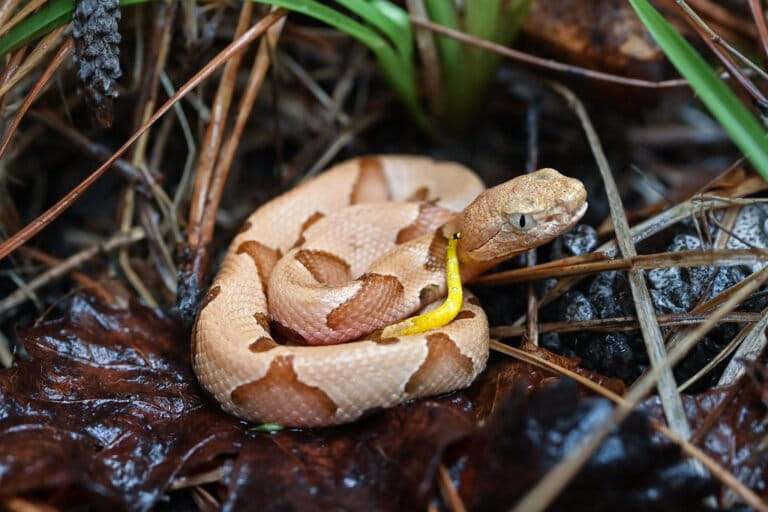
Virgin Births in Copperhead Snakes Confirmed in the Wild in Indonesia
Parthenogenesis, or virgin birth, in snakes has been confirmed in the wild in Indonesia. This phenomenon, previously thought to occur only in captivity, sheds new light on the reproductive strategies of wild snakes.
Parthenogenesis, the ability of a female to reproduce without mating with a male, has been confirmed in wild snakes in Indonesia. Previously, this phenomenon was primarily observed in captive animals, such as those in zoos, and was considered an 'emergency' reproductive strategy for isolated individuals. However, recent research on Indonesian snakes has revealed that this mode of reproduction can occur even in natural environments. Parthenogenesis is a process where an organism develops an egg without fertilization by a male, who typically shares genetic material. Past cases have been reported for snakes like pythons and Komodo dragons, which produced viable eggs after long periods of isolation from males. This led many researchers to believe parthenogenesis was not a standard reproductive method in the wild. In the current study, pregnant female snakes from specific regions in Indonesia were collected from the wild and allowed to give birth in a laboratory setting. These females were taken directly from wild populations where mating typically occurs. After the offspring were born, the research team conducted a detailed genetic analysis of both the mothers and their young, examining for any genetic contribution from a male. The results confirmed that the offspring's genetic information originated solely from the mother, thus confirming parthenogenesis. This discovery challenges the conventional understanding of snake reproductive strategies. The occurrence of parthenogenesis in the wild suggests that snakes may employ flexible reproductive tactics depending on environmental factors and the availability of mating opportunities. Further research is anticipated to explore the implications of this phenomenon on the population dynamics and evolution of Indonesian snake species.
Original source
Mongabay Indonesia