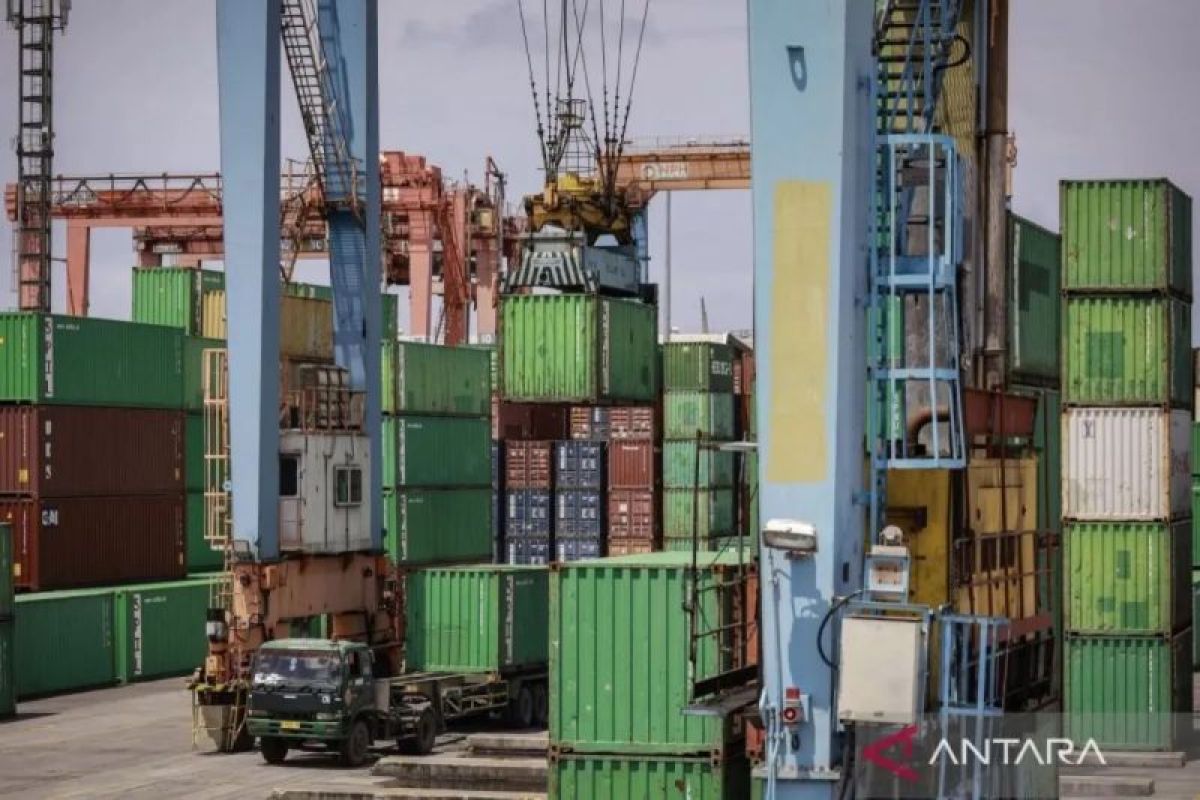
Indonesia Shifts Focus to High-Value Added Product Exports
Economy
2026年7月8日
3
Antara News (English)

Indonesia Shifts Focus to High-Value Added Product Exports

AI サマリー

Indonesia is strategically shifting its export focus from primary commodities to high-value added products as a new pillar of economic growth, aiming to strengthen competitiveness and upgrade its economic structure in the global market.

Indonesia is strategically shifting its export focus from primary commodities to high-value added products as a new pillar of economic growth, aiming to strengthen competitiveness and upgrade its economic structure in the global market. Historically, the Indonesian economy has heavily relied on the export of primary commodities such as coal, palm oil, and minerals. However, these commodities are susceptible to international price fluctuations and generate limited profits due to low domestic processing levels. To overcome these economic vulnerabilities, the government intends to promote technological innovation and value addition in manufacturing and service industries, encouraging the export of more profitable products and services. Specifically, the government plans to boost investment in sectors with growth potential, including electronics, automotive parts, pharmaceuticals, and the creative industry, thereby enhancing domestic production capacity in these areas. Furthermore, by easing regulations and providing incentives in the export process, an environment conducive to companies focusing on the development and production of high-value added products will be established. This strategy is expected not only to increase export value but also to contribute to job creation and technology transfer, fostering sustainable economic development. While Indonesia possesses strengths such as abundant natural resources and a large domestic market, improving its position in the global value chain has been a long-standing challenge. This shift towards higher value addition is expected to be a crucial step in overcoming these challenges and building a more resilient and diversified economic foundation.

多角的分析

経済的影響

インドネシア経済の一次産品依存からの脱却は、世界的な商品市況の変動リスクを低減し、より安定した成長経路を確保するために不可欠である。高付加価値製品へのシフトは、製造業における技術集約型産業の育成を促し、国内のサプライチェーン強化と輸出単価の上昇に寄与する。しかし、そのためには、研究開発への投資拡大、高度人材の育成、そして国際基準に適合した品質管理体制の構築が急務となる。過去、ASEAN諸国でも同様の産業高度化を目指す動きが見られたが、技術移転の遅れや国内産業の保護主義的な傾向が、その進展を鈍化させた例もあるため、インドネシアはこれらの課題にどう対処するかが問われる。

投資家心理

高付加価値製品への輸出シフトは、インドネシアへの直接投資(FDI)にとって新たな機会をもたらす。特に、電子機器、自動車部品、製薬などの分野では、技術力のある外資系企業との提携やM&Aが増加する可能性がある。これにより、インドネシア国内の技術レベル向上と、より高度な製品の生産が可能となる。一方で、これらの分野への投資は、初期投資が大きく、技術流出のリスクも伴うため、投資家は慎重なリスク評価と、政府による知的財産権保護の強化を期待するだろう。過去、インドネシアは投資環境の改善に努めてきたが、官僚主義やインフラの課題が依然として残っており、これらが投資判断に影響を与える可能性がある。

社会的影響

産業構造の転換は、国内の雇用形態にも変化をもたらす。一次産品関連産業からの労働力移動と、高付加価値産業における新たな雇用創出との間で、一時的なミスマッチが生じる可能性がある。特に、地方部で一次産品関連の雇用に就いていた人々は、都市部での新たなスキル習得や職探しを迫られるかもしれない。また、高付加価値製品の生産には、より高度な教育を受けた人材が求められるため、教育システム全体の改革が社会的に求められるだろう。例えば、ジャカルタやスラバヤといった大都市圏では、IT関連や製造業の高度技能職の需要が高まる一方で、地方の一次産品生産地域では、産業構造の転換が遅れることで、経済格差が拡大する懸念もある。

市民の声

一次産品輸出に依存した経済構造から、高付加価値製品へのシフトは、国民生活に直接的な影響を与える可能性がある。例えば、自動車部品や電子機器の製造が盛んになれば、都市部を中心に新たな雇用機会が創出される一方で、地方の一次産品関連地域では、雇用の減少や所得の低下といった影響も考えられる。また、国内産業の高度化は、より質の高い製品やサービスの提供に繋がる可能性があるが、同時に、新たな技術や製品への適応が求められるため、教育や職業訓練の機会へのアクセスが重要となる。ジャカルタのような大都市では、先端技術に触れる機会が増えるかもしれないが、地方の住民がその恩恵を受けるためには、インフラ整備や情報格差の解消が不可欠である。

背景・歴史的文脈

インドネシアは、独立以来、天然資源を基盤とした輸出主導型経済を発展させてきた。特に20世紀後半以降、石炭、パーム油、ニッケルなどの一次産品輸出が経済成長の大きな原動力となった。しかし、これらの一次産品は国際市場の価格変動に左右されやすく、また、付加価値の低いまま輸出されることが多いため、経済の脆弱性が指摘されてきた。2010年代以降、政府は経済の多様化と産業構造の高度化を目指し、製造業の育成や投資環境の改善に取り組んできたが、依然として一次産品への依存度は高いままであった。今回の高付加価値化への戦略転換は、こうした長年の課題を克服し、より持続可能で競争力のある経済を目指すための、新たな試みと言える。

原文ソース

Antara News (English)

原文を読む