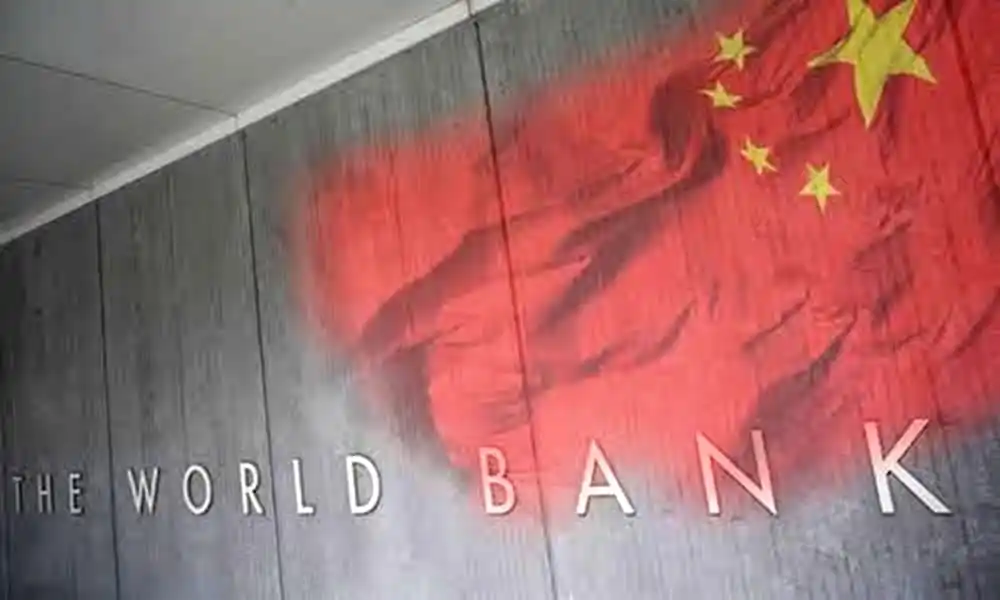
World Bank to Phase Out Loans to China by 2031
Diplomacy
2026年7月4日
5
Chiang Rai Times

World Bank to Phase Out Loans to China by 2031

AI サマリー

The World Bank is proposing a new five-year framework to completely phase out its lending to China by 2031. This move reflects China's economic rise and a shift in focus towards supporting poorer nations.

The World Bank is officially preparing to close a massive chapter in global economic history. Under a newly proposed five-year framework, the international financial institution plans to completely phase out its lending to China by 2031. This landmark decision marks the end of Beijing’s decades-long status as a major borrower from the Washington-based lender. The phase-out reflects China’s rapid rise to become the world’s second-largest economy. Development banks are now shifting their focus toward poorer nations that desperately need financial support. As global economic priorities change, this move signals a new reality for international development finance. The proposal to end financial support to China was recently submitted to the World Bank’s executive board. According to sources familiar with the matter, board members will review the plan during the week of July 20, 2026. This monumental shift does not even require a formal vote, as it is part of a newly agreed country partnership framework. This agreement highlights how drastically the global economic landscape has evolved over the past few decades. Multilateral institutions are facing mounting pressure to direct their limited resources toward lower-income economies. These poorer nations simply do not have the diverse financing options that Beijing currently enjoys. Rather than cutting off funds overnight, the World Bank is opting for a measured, gradual transition. The newly proposed framework limits the bank’s total lending to Beijing to a strict cap of $2 billion between now and 2031. After this transition period ends, the financial tap will be turned off completely. This cap is a dramatic reduction from the financial packages China received in the past. According to Financial Times reporting, annual lending to China had already declined steadily over the last decade. Funding dropped from roughly $2.4 billion in 2017 to just $750 million in 2025. The relationship between the World Bank and China dates back more than four decades. The institution approved its very first loan package to Beijing in June 1981. That initial $200 million package was designed to finance the development of higher education in science and engineering. At the time, China was facing a persistent shortage of trained professionals and desperately needed external funding. Over the next forty years, the World Bank funded countless projects across the sprawling nation. These initiatives ranged from critical environmental protection programs to massive rural development and healthcare improvements. Today, China’s economic reality is vastly different from what it was in the early 1980s. The nation actually exited eligibility for loans under the World Bank’s International Development Association facility in 2000. That specific facility is strictly reserved for the poorest countries in the world. By 2007, Beijing transitioned from a recipient of this fund to a contributor. Today, China stands as the fifth-biggest donor to that very same facility. A World Bank official recently noted that China has made incredible development advances, and this new policy simply reflects that modern reality. The push to end China’s access to these developmental funds did not happen in a vacuum. The United States and several allied nations have spent years lobbying the World Bank to cut off Beijing. Politicians argue that the world’s second-largest economy should not benefit from subsidized international financing. This issue has actually seen rare bipartisan agreement in Washington. During its first term, the Trump administration repeatedly expressed frustration over China’s continued borrowing from multilateral institutions. The Biden administration maintained this same stance, continuously advocating for common-sense reforms to global lending policies. A spokesperson for the U.S. Treasury recently praised the World Bank’s decision as a massive step in the right direction. The official bluntly stated that China should not be receiving handouts from multilateral institutions given its immense economic power. Washington is now looking forward to seeing other international financial bodies follow this same path. U.S. officials argue that keeping China on the borrower list actively harms struggling nations. Every dollar loaned to Beijing is essentially a dollar taken away from a developing country in greater need. Lawmakers on Capitol Hill have consistently echoed this sentiment, demanding an end to these outdated financing practices. The upcoming phase-out will undeniably reshape the landscape of international development finance. For decades, the World Bank has balanced its portfolio by lending to a mix of middle-income and low-income nations. Removing China from the equation frees up billions of dollars in potential capital. This newly available capital can now be redirected to regions facing severe economic and climate crises. Countries in Sub-Saharan Africa, Latin America, and parts of South Asia stand to benefit the most from this shift. Multilateral banks will now have a greater capacity to fund critical infrastructure and poverty reduction programs in these vulnerable areas. The core mission of the World Bank is to end extreme poverty and boost shared prosperity on a livable planet. Lending money to an economic superpower like China actively conflicts with that modern mandate. By eliminating Beijing from its loan roster, the bank can truly focus on its primary humanitarian goals. Financial analysts predict that this move will trigger a broader realignment of global aid. Developing countries have long complained that massive economies crowd them out of vital funding opportunities. This strategic exit by China could finally level the playing field for nations that rely heavily on concessional international financing. Interestingly, China is not the only country currently being phased out of the World Bank’s lending programs. Earlier this month, the institution agreed to a remarkably similar transition framework for Poland. The central European nation will also see its development loans completely end by the year 2031. However, there is one major difference between these two transition plans. The agreement for Poland includes potential carve-outs for specific financing programs related to the Ukraine crisis and nuclear energy development. The proposed plan for China contains absolutely no exceptions or special carve-outs after the 2031 deadline. A senior U.S. official noted that the language used in the Chinese exit plan is exceptionally strict. In fact, it is considered among the most aggressive phase-out frameworks in modern banking history. It notably exceeds the stringent conditions placed on Poland’s recent agreement to end its own borrowing. Information source: Chiang Rai Times

多角的分析

経済的影響

世界銀行による中国への融資廃止は、グローバル経済における力関係の変化を明確に示しています。中国がもはや開発途上国向けの低利融資を必要としない経済大国となったことを示唆すると同時に、世界銀行の資金がより困窮した国々へ向かうことで、これらの国々の経済成長を促進する可能性があります。ただし、中国経済の減速懸念が指摘される中、この融資廃止が中国国内の投資や経済政策にどのような影響を与えるかは注視が必要です。

投資家心理

この決定は、国際金融市場における資金の流れに微妙な影響を与える可能性があります。中国への融資が減少することで、他の開発途上国への投資機会が増加すると見られます。しかし、中国経済の将来性に対する不透明感が高まれば、中国関連の資産への投資リスクが増大する可能性も否定できません。投資家は、中国の国内経済政策や、世界銀行の代替的な資金調達手段の動向を注意深く監視する必要があります。

社会的影響

世界銀行の融資廃止は、開発途上国が資金獲得において、より公平な競争環境を得る機会となる可能性があります。これまで、経済大国が開発資金を多く吸収してしまうという批判がありましたが、今回の決定はその是正に向けた一歩と言えます。貧しい国々が、インフラ整備や貧困削減プログラムに不可欠な資金をより確実に得られるようになることが期待されます。

市民の声

世界銀行の中国への融資廃止は、タイ国民の直接的な生活に即時的な影響を与えるものではありません。しかし、グローバルな開発資金の流れの変化は、長期的にはタイを含むアジア諸国の経済発展に間接的な影響を与える可能性があります。例えば、タイが国際的な開発プロジェクトへの参加機会や、より有利な条件での資金調達機会を得やすくなるかもしれません。また、中国経済の動向は、タイの輸出入や観光業にも影響を与えるため、間接的な経済的影響は考慮されるべきです。

背景・歴史的文脈

世界銀行は1944年のブレトン・ウッズ会議で設立され、当初は第二次世界大戦後の復興支援を目的としていました。その後、開発途上国の経済開発を支援する国際金融機関へと役割を拡大しました。中国は1980年代初頭から世界銀行からの融資を受け始め、経済成長の重要な一翼を担ってきました。しかし、中国経済の目覚ましい発展に伴い、その立場は変化し、近年では融資額の減少や、IDA(国際開発協会)からの除外、さらには拠出国への移行が進んでいました。米国は長年、経済大国となった中国が開発途上国向けの低利融資を受けることに疑問を呈しており、今回の決定はこうした圧力の集大成とも言えます。

原文ソース

Chiang Rai Times

原文を読む