General articles are free for 24 hours after publish.
Cambodia Emphasizes Literacy as Foundation for Enhancing Education Quality
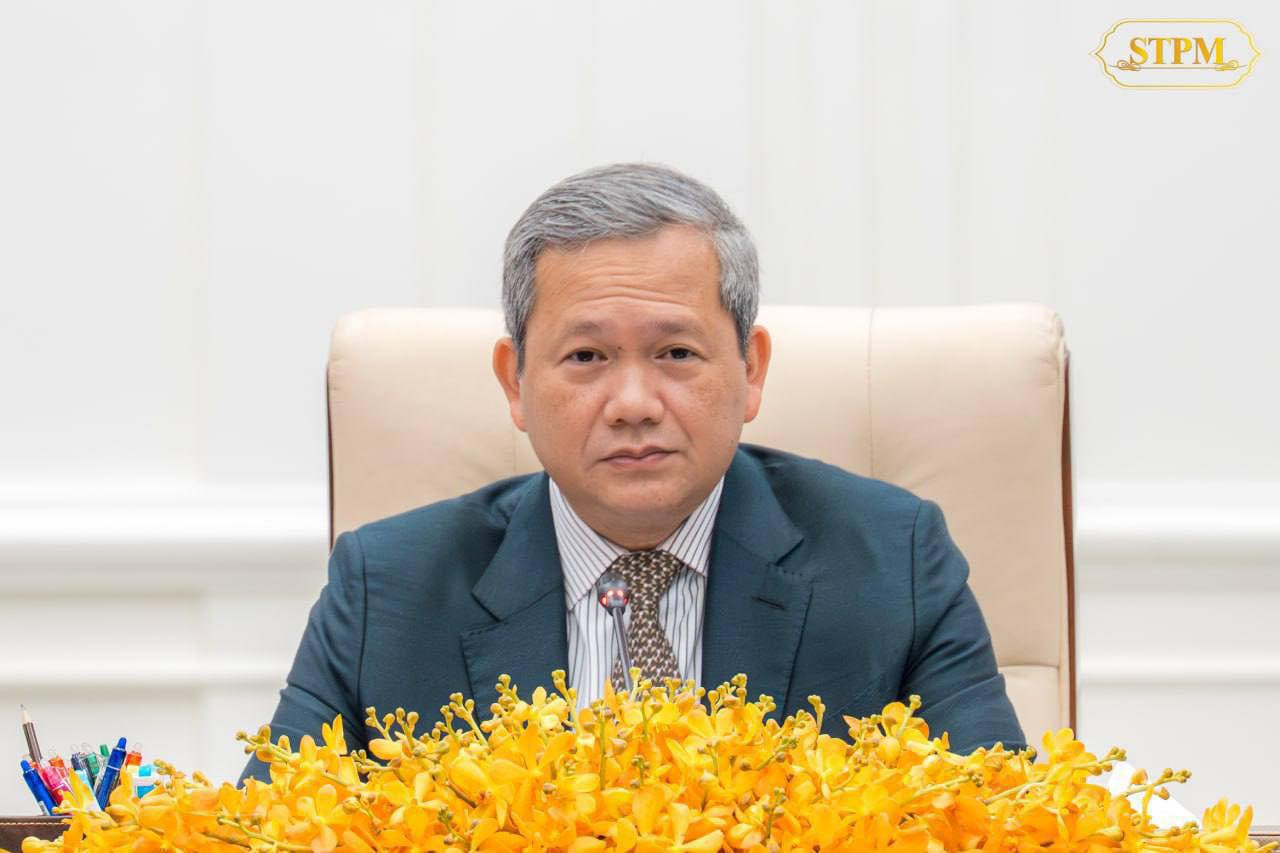
Cambodian Prime Minister Hun Manet has emphasized that improving literacy is the cornerstone for enhancing the quality of inclusive education. In a message for the 2026 National Literacy Day, he highlighted that in the 21st century, literacy extends beyond basic reading, writing, and arithmetic to include information literacy, critical thinking, and digital skills. The government prioritizes 'people' in its development strategy, aiming to ensure equitable access to education for all citizens through expanded lifelong learning opportunities.
Prime Minister Hun Manet of Cambodia has emphasized that improving literacy is the cornerstone for enhancing the quality of inclusive education. In a message for the 2026 National Literacy Day, observed on September 8th, the Ministry of Education, Youth and Sport highlighted that this year's theme, 'Literacy for Enhancing Inclusive Education Quality,' aims to broaden public understanding of the importance of literacy programs as the foundation for developing basic knowledge and vocational skills. Prime Minister Hun Manet stated that literacy in the 21st century encompasses not only the ability to read, write, and calculate but also information literacy, critical thinking, problem-solving, digital literacy, global citizenship, and digital citizenship, which are essential for living in a modern world driven by advanced technology and science. This initiative aligns with the international observance of International Literacy Day and focuses on building human capital with knowledge, skills, ethics, responsibility, and the capacity to live and contribute to societal development in a rapidly changing world. This is consistent with Cambodia's national development goals and the government's commitment to implementing the 2030 Agenda for Sustainable Development, particularly Goal 4, which aims to 'ensure inclusive and equitable quality education and promote lifelong learning opportunities for all.' The government's Pentagonal Strategy, Phase I, for the 7th legislature of the National Assembly prioritizes 'people' for growth, equity, efficiency, and sustainability. Key focuses include strengthening education quality, promoting literacy, developing skills, and expanding lifelong learning opportunities. The aim is to ensure that all individuals—children, out-of-school youth, factory workers, and adults—in all regions, especially those in rural and disadvantaged areas, ethnic minorities, and persons with disabilities, have access to education without discrimination and that no one is left behind. The Cambodian government considers the promotion of literacy a highly valuable investment in its people. Providing citizens with knowledge and skills is seen as creating a driving force for participation in social, economic, and cultural activities. It also offers opportunities for lifelong learning, contributing to poverty reduction, enhanced work productivity, strengthened family well-being, and the construction of a knowledge-based society characterized by equity, resilience, innovation, inclusivity, and sustainability. Prime Minister Hun Manet expressed his appreciation for the Ministry of Education, Youth and Sport's effective and outstanding implementation of in-depth reforms in the education sector, promoting inclusive education policies and fostering good citizenship and patriotism. The Ministry has continued to reform key priorities in education, such as strengthening school governance, model school programs, teacher capacity development, examination reform, and particularly digital transformation. This includes promoting the use of digital technology in teaching science and technology subjects in general secondary education, studying science, technology, engineering, and mathematics (STEM) at the higher education level, enhancing foreign language learning, training 21st-century skills, digital education, and technical education in general and technical secondary schools, as well as promoting lifelong learning opportunities. Furthermore, the Ministry supports various programs for vulnerable youth and children. These include multilingual literacy education programs for adults through non-formal education and multilingual education programs for children from ethnic minority communities through formal education. The initiative involves developing literacy systems for indigenous languages such as Tum, Krung, Pou, Kaveat, Phnong, and Jarai, using the Khmer alphabet as a basis. Legal frameworks, curricula, and learning materials are aligned with the national curriculum and are integrated with the customs, traditions, and culture of each ethnic minority community. The Ministry also pays special attention to providing educational opportunities for persons with disabilities and those with special needs. This is achieved by strengthening inclusive education, special education, teacher training, improving the learning environment, developing and providing appropriate learning materials, and utilizing sign language, Braille, and other assistive devices. The goal is to ensure that no child, youth, or individual is hindered from receiving education due to their disability or special needs. Source: AKP Khmer
Original source
AKP Khmer