General articles are free for 24 hours after publish.
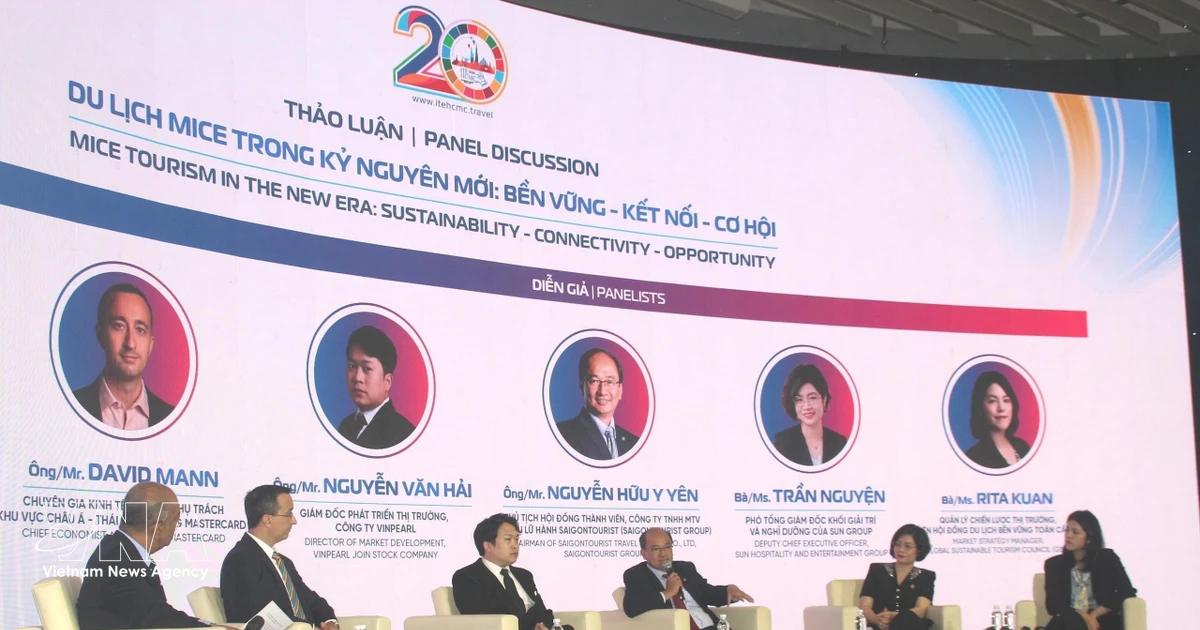
Vietnam Prioritises MICE Tourism as Strategic Product to Accelerate Growth
Vietnam is positioning tourism as a key economic driver, designating MICE (Meetings, Incentives, Conferences, Exhibitions) as a strategic product to attract high-quality visitors and boost trade and investment. Initiatives in Da Nang and Phu Quoc Island are particularly noteworthy.
Vietnam has consistently identified tourism as a spearhead economic sector, Deputy PM Pham Thi Thanh Tra stressed, adding that in the new development era, with the need for rapid and sustainable growth and a stronger national position, MICE should be positioned as a strategic tourism product, targeting high-quality visitors while generating additional momentum for trade and investment and enhancing national competitiveness. Experts emphasize that tourism effectiveness should be measured not only by visitor numbers and revenue but also by spending, length of stay, repeat visits, job quality, visitor satisfaction, and environmental carrying capacity. The central city of Da Nang aims to welcome and support nearly 93,000 MICE visitors in 2026, an increase of about 12% year-on-year. To accelerate the market in the final months of the year, the municipal tourism sector is strengthening links with corporations, businesses, and event organizers while diversifying tourism promotion activities. The city also identifies street food, combined with the development of the night-time economy, as a key priority. For Phu Quoc, MICE represents more than simply another high-potential source of visitors. The segment could help the island evolve from a largely seasonal resort destination into a year-round tourism hub, while increasing spending per visitor and strengthening its ability to attract corporate groups, investors, and international professionals. Vietnam’s 45-day visa exemption for Russian citizens gives Phu Quoc an immediate advantage, accommodating an extended winter escape with ease. Resolution No. 26-NQ/TW sets out a new vision, focusing on fundamentally renewing the mindset, methods, and approaches to tourism development and governance, shifting from quantity to quality and increasing the sector’s contribution to the national economy. The resolution also calls for the development of three major tourism growth poles – Hanoi, Ho Chi Minh City, and Da Nang – while gradually turning Phu Quoc into a new growth pole, alongside the development of 10 key tourism centers and 20 national tourism areas. For 2026, Vietnam's tourism sector is targeting 25 million foreign arrivals, 150 million domestic trips, and total revenue of 1.125 quadrillion VND (43 billion USD). In August, Vietnam welcomed nearly 2 million international visitors, up 19.7% from July and 18.4% year-on-year, representing 63.6% of the sector’s full-year target. Russian arrivals to Vietnam surpassed 1 million in the first eight months of 2026, a remarkable 165.7% increase year-on-year, marking the highest growth rate among Vietnam’s major international tourist markets. China remains Vietnam’s largest source market for international tourists, with approximately 3.08 million Chinese visitors traveling to Vietnam in the first seven months of 2026. Hanoi welcomed about 461,400 Chinese visitors staying overnight, making China one of the capital city’s key source markets. An initiative to elevate the national tourism brand through 2035 will position Vietnam as a high-quality, safe, and leading Asian destination for heritage, cuisine, beach resorts, culture, and Vietnamese lifestyles. A network of digital tourism ambassadors will also be developed in key target markets. Information source: VietnamPlus English
Original source
VietnamPlus English