Indonesia Prioritizes Forest Restoration in Disaster Zones
Environment
2026年7月1日
3
Antara News (English)

Indonesia Prioritizes Forest Restoration in Disaster Zones

AI サマリー

Indonesia has designated forest restoration in disaster-affected areas as a national priority, acknowledging the increasing frequency and severity of natural disasters. This move signifies a strategic response to the nation's vulnerability and the impacts of climate change, aiming for sustainable land management.

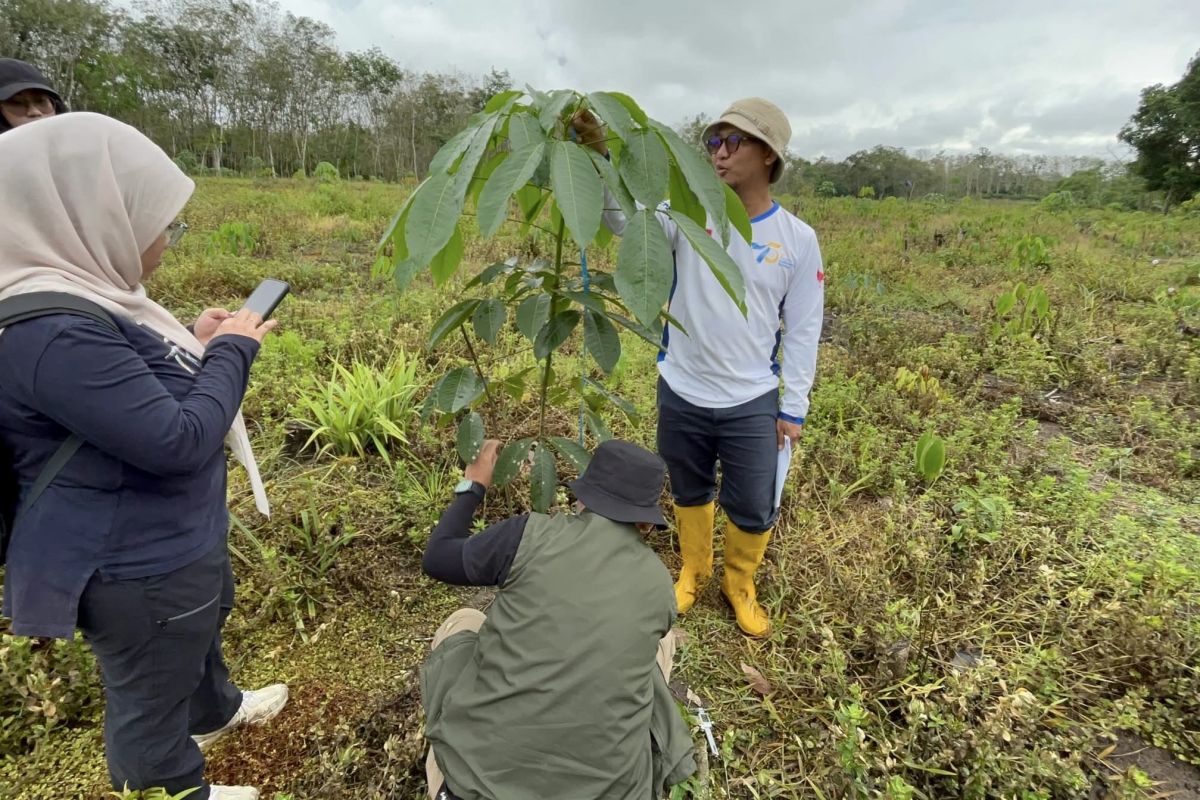
Indonesia has designated forest restoration in disaster-affected areas as a national priority, acknowledging the increasing frequency and severity of natural disasters and the impacts of climate change. This policy emphasizes strengthening reforestation efforts, curbing deforestation, and restoring existing forest ecosystems, particularly in regions prone to large-scale landslides and floods. The government highlights that forest restoration is crucial for preventing soil erosion, managing water resources, and conserving biodiversity. Indonesia, with its vast tropical rainforests, plays a significant role in global climate regulation. However, decades of logging, agricultural conversion, and illegal logging have led to a considerable reduction in forest cover, increasing the risk of natural disasters such as landslides and floods. Through forest restoration projects, the government also aims to improve the livelihoods of local communities. It plans to encourage community participation in reforestation activities and create new employment opportunities by promoting sustainable forestry and agroforestry. This initiative is considered an essential element for Indonesia's sustainable development, serving as a long-term land management strategy and a measure for climate change adaptation.

多角的分析

経済的影響

森林再生への優先的投資は、長期的な経済的リターンを期待できる。森林は、持続可能な林業、観光、そして気候変動緩和による経済的損失の軽減といった多角的な経済効果をもたらす。しかし、初期投資と再生期間中の経済的機会損失は課題となる。政府は、国際的な気候変動対策資金や民間投資の誘致も視野に入れる必要がある。

投資家心理

森林再生への注力は、ESG投資の観点から魅力的である。特に、炭素クレジット市場の拡大や、持続可能な製品への需要増加は、関連企業への投資機会を生み出す可能性がある。ただし、再生プロジェクトの長期性、土地利用権の問題、そして政治的安定性が投資判断の重要な要素となる。

社会的影響

森林再生は、土砂崩れや洪水のリスク低減を通じて、被災地の住民の安全と生活基盤の安定に直接貢献する。また、植林活動への参加は、地域住民に新たな収入源とコミュニティの結束強化の機会を提供する。しかし、土地所有権の紛争や、再生プロセスにおける地域住民の権利保護が、円滑な実施のための重要な課題となる。

市民の声

被災地域に住む住民にとっては、森林再生は直接的な安全保障の向上につながる。過去の災害で家屋や農地を失った人々は、森林の回復によって将来的なリスクが低減されることを期待する。また、植林活動への参加は、地域経済への貢献と同時に、自分たちの住む環境を改善する機会となる。

背景・歴史的文脈

インドネシアの森林減少は、1970年代以降の急速な経済開発と人口増加に伴う農地転換、特にパーム油プランテーションへの転換が主な原因である。これにより、土壌浸食が進み、豪雨時の土砂崩れや洪水のリスクが増大した。政府は過去にも森林保全政策を打ち出してきたが、経済開発との両立や、違法伐採の取り締まりの難しさから、その効果は限定的であった。近年、気候変動による異常気象の頻発化が、森林破壊がもたらす災害リスクを顕在化させ、森林再生が喫緊の課題として浮上している。

原文ソース

Antara News (English)

原文を読む