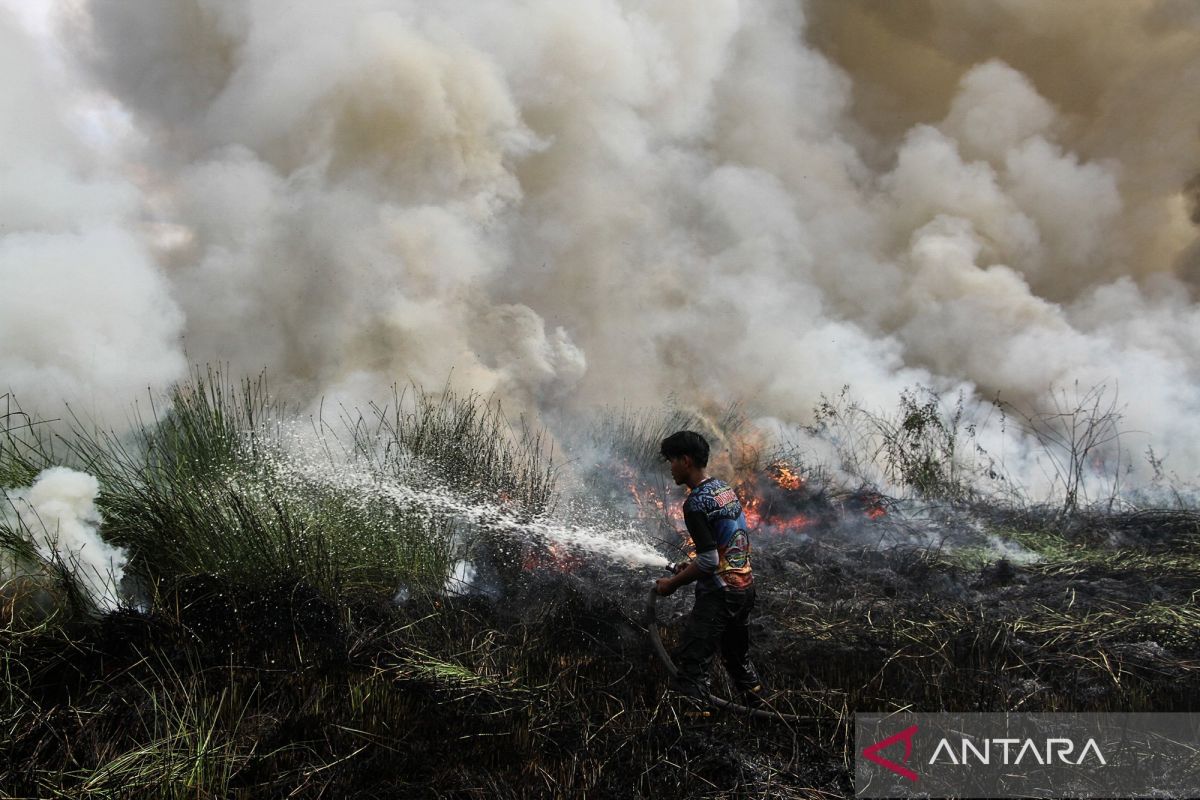
Indonesia Pushes Structural Reform to Prevent Forest Fires
Indonesia is pushing for structural reforms, including improved land-use planning and enhanced monitoring, to prevent the recurrence of large-scale forest fires. The government aims for sustainable land management, addressing the severe damage caused by past fires.
The Indonesian government is pushing for structural reforms, including the improvement of land-use planning and the strengthening of monitoring systems, to prevent the recurrence of forest fires that have caused severe damage. Forest fires, which have occurred frequently in recent years, especially during the dry season, have caused severe haze, affecting neighboring countries. Many of these fires are caused by intentional burning for land development for the palm oil and pulp and paper industries. The government recognizes that these fires are not merely accidental but are rooted in structural issues related to land ownership and development permits. One of the pillars of the reform is the improvement of land-use planning. This includes clearly demarcating forest areas and developable zones to curb illegal land conversion. Furthermore, the government plans to enhance its capacity to detect fire signs early by strengthening monitoring systems utilizing satellite technology and drones. Efforts are also being made to improve firefighting capabilities for rapid response when fires occur. Through these reforms, the government aims to minimize environmental destruction, health impacts, and economic losses caused by forest fires, while simultaneously achieving sustainable land management and economic development. Strengthening cooperation between relevant ministries and collaboration with local communities are also identified as essential elements. Source: Antara News (English)
多角的分析
過去の森林火災は、農業(特にパーム油産業)や林業といったインドネシアの主要産業に直接的な経済的損失をもたらすだけでなく、観光業や国際貿易にも悪影響を及ぼしてきた。煙害による健康被害は医療費の増大を招き、生産性の低下にもつながる。今回の構造改革は、これらの経済的損失を抑制し、持続可能な産業発展の基盤を強化することを目的としている。土地利用計画の明確化は、産業界における不確実性を低減し、長期的な投資を促進する可能性がある。
森林火災による煙害は、近隣諸国だけでなく、航空便の遅延やキャンセルを引き起こし、国際的なサプライチェーンに混乱をもたらすリスクがある。これは、インドネシアに進出している日系企業を含む外資系企業にとって、操業リスクを高める要因となる。今回の政府による構造改革は、火災リスクの低減を通じて、投資環境の安定化に寄与すると期待される。特に、環境・社会・ガバナンス(ESG)投資への関心が高まる中、火災防止策の強化は、企業の持続可能性評価においてもプラスに働く可能性がある。
森林火災による煙害は、特に子供や高齢者の呼吸器系疾患を悪化させ、公衆衛生上の重大な問題となっている。過去の火災では、学校閉鎖や外出自粛が余儀なくされ、地域住民の生活に大きな影響が出た。今回の改革で監視体制が強化され、火災が減少すれば、住民の健康改善と日常生活の回復に直結する。また、土地開発を巡る紛争が火災の一因となる場合もあり、明確な土地利用計画は、地域住民と開発業者との間の摩擦を軽減する可能性もある。
過去の森林火災による煙害は、ジャカルタ市民の日常生活に深刻な影響を与えてきた。特に乾季には、空気が鉛色になり、屋外での活動が困難になることが多かった。学校が休校になったり、子供が咳や喘息の症状を訴えたりするケースも少なくなかった。今回の政府の改革は、こうした事態の再発を防ぎ、市民がより健康で安全な環境で生活できるようになることを期待させる。しかし、改革の実効性は、現場での実施体制や、地域住民への情報提供、そして開発業者への監督がどれだけ徹底されるかにかかっているだろう。特に、地方での違法な野焼きが根絶されるかどうかが、市民の生活実感に大きく影響すると考えられる。
背景・歴史的文脈
インドネシアにおける森林火災は、数十年にわたる土地開発、特にパーム油や紙パルプ産業のためのプランテーション拡大と深く関連している。1997-98年のエルニーニョ現象による大規模火災は、国際的な注目を集め、その後の火災防止策の強化につながった。しかし、土地所有権の曖昧さ、開発許可プロセスにおける汚職、そして違法な野焼きを経済的手段として利用する慣行が根強く残っている。政府はこれまでも火災防止策を打ち出してきたが、根本的な構造問題の解決には至らず、火災は繰り返されてきた。今回の改革は、これらの長年の課題に対処し、より持続可能な土地管理への転換を目指すものと位置づけられる。
原文ソース
Antara News (English)