General articles are free for 24 hours after publish.
Cambodia Launches $1.2 Billion Comprehensive Intervention Program to Address Multiple Crises
The Cambodian government has officially launched a 'Comprehensive Intervention Program to Address Multiple Crises,' allocating over $1.2 billion to stabilize the livelihoods of its citizens and bolster the economy amidst ongoing global and regional challenges.
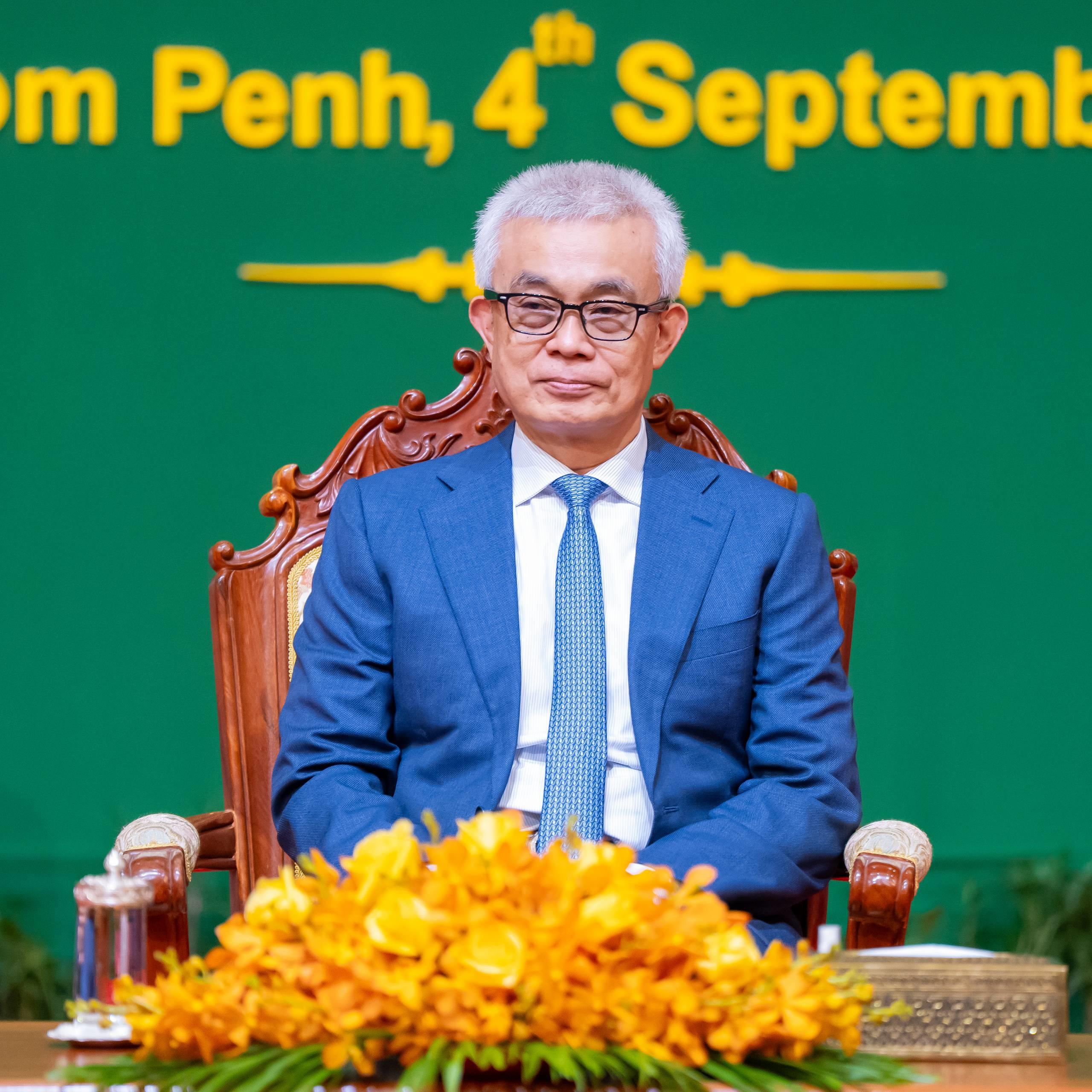
The Cambodian government officially launched the 'Comprehensive Intervention Program to Address Multiple Crises' on September 4, 2026. This program, with a budget exceeding $1.2 billion, aims to stabilize the livelihoods of its citizens and strengthen the resilience of Cambodia's economy and society in the short to medium term. The official launch ceremony was presided over by Deputy Prime Minister Dr. Aun Pornmoniroth, Minister of Economy and Finance and Chairman of the Economic and Financial Policy Committee. Dr. Pornmoniroth highlighted that post-COVID-19, Cambodia continues to face transitional multi-crises, including global trade regime shifts, crackdowns on online scams, border issues with Thailand, and particularly the crisis in the Middle East, which has led to soaring fuel and gas prices and inflationary pressures. He stated that despite Cambodia being a small country, the government has always had a clear vision and proactivity in implementing intervention measures. As a result, Cambodia's economy achieved 5.3% growth in 2025 but is projected to decline to 4.1% in 2026 due to the impact of the Middle East war. The 'Comprehensive Intervention Program to Address Multiple Crises' was prepared under the high recommendation of Prime Minister Dr. Hun Manet. The program integrates both supply-side and demand-side measures, aiming to boost growth and strengthen economic and social resilience, with a focus on the livelihoods of the people, especially poor and vulnerable families, and supporting economic and business activities, particularly micro, small, and medium enterprises (MSMEs). The intervention program is divided into three intervention packages, comprising a total of 27 measures and an estimated budget of approximately $1,224.2 million USD. These include: Package 1: Stabilizing Livelihoods Linked to Job Creation, focusing on the poor, vulnerable families, and micro, small, and medium traders. Key measures include the continued implementation of tax expenditure measures on petroleum products until November 2026, a cash transfer program for poor and vulnerable families and tuk-tuk drivers (first disbursement in September), and local infrastructure development programs that can create approximately 220,000 jobs. This package also considers improving the livelihoods of migrant workers and refugees, as well as supporting new businesses and MSMEs. Package 2: Providing Technical and Vocational Training Linked to Job Creation, focusing on supporting existing skills development programs and organizing new training programs that respond to market demands. Key measures include expanding the 'My Skills, My Job' program, supporting the National Strategy on the Informal Economy, providing short courses at universities, and assisting with job placement. Package 3: Energy Management, Interaction, and Transformation, aimed at promoting the use of electricity or clean energy to reduce reliance on gas or petroleum fuels. Dr. Aun Pornmoniroth stated that this 'Intervention Program' not only addresses the immediate impacts of the crises but also represents an investment in people, job creation, increased productivity, and strengthening the overall resilience of the Cambodian economy, aiming to boost national economic growth for 2026 and serve as a foundation to support the economy on a path of sustainable growth in the coming years.
Original source
CPP Cambodia