Two New Venomous Bird Species Discovered in Papua New Guinea, Flesh Tastes Like Burning Chili
Technology
2026年7月2日
3
Mongabay Indonesia

Two New Venomous Bird Species Discovered in Papua New Guinea, Flesh Tastes Like Burning Chili

AI サマリー

Researchers from the University of Copenhagen have discovered two new venomous bird species in Papua New Guinea's rainforests. These birds contain the potent neurotoxin batrachotoxin, marking the first discovery of new venomous bird species in over two decades.

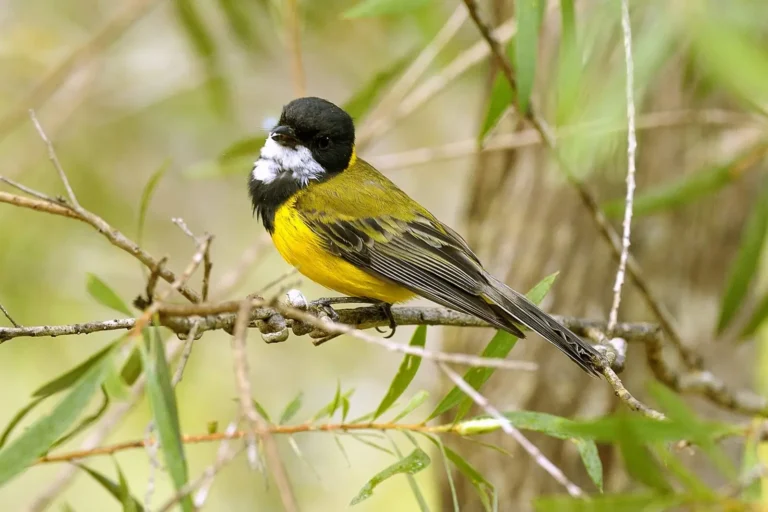
A team of researchers from the University of Copenhagen and the Natural History Museum of Denmark has discovered two new species of venomous birds during an expedition to the rainforest mountains of Papua New Guinea. This discovery, published in the journal Molecular Ecology in 2023, is significant as no new venomous bird species had been found in over twenty years. The two species identified are the Obuhai whistler (Pachycephala schlegelii) and the rufous-naped bellbird (Aleadryas rufinucha). These birds are relatively common in the region, and their venomous nature, present in their feathers and skin, was only revealed after laboratory analysis of samples collected in the field. The toxin found in both species is batrachotoxin, one of the most potent neurotoxins known to science. The name batrachotoxin originates from the Greek word 'batrachos,' meaning frog, as the compound was first identified in poison dart frogs in Central and South America. Batrachotoxin is known to be approximately 250 times more toxic than strychnine. In high concentrations, it can cause severe muscle spasms and cardiac arrest within minutes of contact. This discovery deepens our understanding of venom evolution in birds and their role in the ecosystem. The research highlights the rich biodiversity of Papua New Guinea and the many biological secrets that remain to be uncovered.

多角的分析

経済的影響

この発見自体が直接的な経済的影響をもたらすわけではないが、生物多様性の価値を再認識させる。パプアニューギニアは、未開発の自然資源が豊富であり、このようなユニークな生物学的発見は、将来的なエコツーリズムやバイオプロスペクティング(生物資源からの医薬品等開発)の可能性を示唆する。ただし、これらの毒性物質の商業的利用には、厳格な倫理的・法的な枠組みが必要となる。

投資家心理

直接的な投資機会は限定的だが、この発見はパプアニューギニアの生物多様性への関心を高める可能性がある。製薬会社やバイオテクノロジー企業は、将来的にこの毒素の医療応用(例えば、鎮痛剤や麻酔薬)の可能性を探るかもしれない。しかし、研究開発には長い時間と多額の投資が必要であり、現時点では投機的な側面が強い。

社会的影響

この発見は、パプアニューギニアの先住民コミュニティが長年経験的に知っていた可能性のある、自然界の危険性に対する知識を科学的に裏付けるものとなる。地域住民は、これらの鳥を食用にしないなどの知恵を持っているかもしれない。また、この地域における生物多様性の保全の重要性を改めて浮き彫りにし、環境教育や保護活動の必要性を訴える。

市民の声

パプアニューギニアの市民、特に発見された地域周辺の住民にとっては、身近な鳥が毒を持っているという事実は、自然への畏敬の念を深めるだろう。子供たちへの教育や、日常生活での注意喚起につながる可能性がある。また、この発見が国際的な注目を集めることで、地域社会の誇りやアイデンティティの強化にも寄与するかもしれない。

背景・歴史的文脈

バトラコトキシンは、主に中南米のヤドクガエルから発見されていた猛毒物質である。その毒性が鳥類から見つかるのは極めて異例であり、今回の発見は、鳥類における毒性の進化に関する従来の理解を覆す可能性がある。鳥類がどのようにしてこの毒素を獲得し、それを自身の防御機構として利用しているのか、そのメカニズムの解明が今後の研究課題となる。これは、鳥類が食料として摂取した毒性昆虫から毒素を蓄積している可能性や、あるいは鳥類自身の代謝プロセスで生成している可能性など、様々な仮説を生む。

原文ソース

Mongabay Indonesia

原文を読む