General articles are free for 24 hours after publish.
Vietnam Boosts Culinary Brand Through Cultural Storytelling, Digital Outreach
Vietnam is leveraging its culinary heritage as a bridge to international understanding of its culture and people, employing digital storytelling to enhance its global brand. Initiatives like the 'Touching Heritage' campaign in Ho Chi Minh City are accelerating the promotion of its food culture both domestically and abroad.
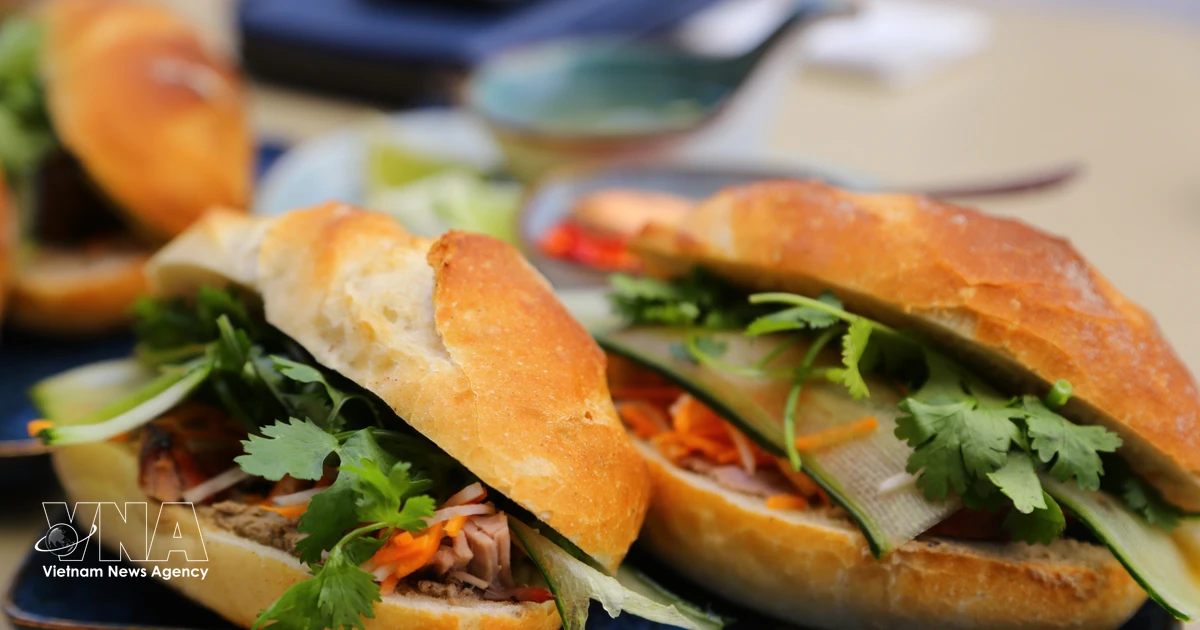
Vietnam is intensifying its strategy to enhance its national brand by promoting its culinary culture internationally. Food is positioned as a 'bridge' to deepen understanding of Vietnamese culture, its people, and the overseas Vietnamese community. This role is particularly emphasized in multicultural societies like Canada. As part of this initiative, Ho Chi Minh City is launching a flagship campaign titled 'Touching Heritage' in Saigon, Ben Thanh, and Cho Lon wards, utilizing interactive digital formats such as short videos and livestreams. This campaign aims to highlight the creativity of Vietnamese cuisine, shaped during challenging historical periods, exemplified by iconic dishes like banh mi (sandwiches) and com tam (broken rice). Vietnamese culinary culture is also gaining attention at international events. At an event in Germany, traditional dishes such as 'nem cuon' (fresh spring rolls) and 'bun cha' (grilled pork with vermicelli) were showcased alongside ao dai (traditional dress), non la (conical hats), and cultural performances reflecting Vietnamese identity. These activities contributed to spreading Vietnamese culture and fostering mutual understanding and closer ties between the Vietnamese community, local residents, and international friends. The Communist Party of Vietnam's Central Committee prioritizes the development of the cultural industry, urging a shift from 'preserving heritage to creating new value from it.' However, a key challenge identified is the weak connection between cultural heritage and science, technology, education, design, communications, and the marketplace, which limits its economic, educational, and social impact. Digital transformation presents new opportunities to address this, with UNESCO recommending a 'people-centered approach' that encourages community participation at every stage of heritage documentation, preservation, management, use, and data dissemination. In the tourism sector, 'music tourism,' where concerts and music festivals become travel destinations, is emerging as a powerful driver of travel demand across Southeast Asia. Vietnam is also seeking to leverage this trend and strengthen international ties through cultural exchange. For instance, a film screening marking the 49th anniversary of the Vietnam-Laos Treaty of Amity and Cooperation served as an opportunity to reaffirm the strategic cohesion between the two countries through cultural exchange. Furthermore, Hanoi is set to host its inaugural International Martial Arts Festival, bringing together thousands of martial artists from Vietnam and abroad. These cultural events serve as important platforms for showcasing Vietnam's diverse cultural heritage and deepening engagement with the international community. The international promotion of Vietnam's culinary culture is not merely about showcasing dishes but is part of a comprehensive cultural strategy that conveys the nation's identity, history, and contemporary creativity. The utilization of digital technology is key to accelerating this strategy and reaching a wider, more diverse audience with Vietnam's culture. Source: VietnamPlus English
Original source
VietnamPlus English