General articles are free for 24 hours after publish.
Japan's Struggle to Wean Itself Off Russian LNG
Japan continues to procure Russian LNG despite the Ukraine invasion, facing a difficult choice between energy security and international pressure. The government is at a crossroads, concerned about the impact on domestic industries and consumers, while securing alternative supplies and managing the risk of worsening relations with Russia.
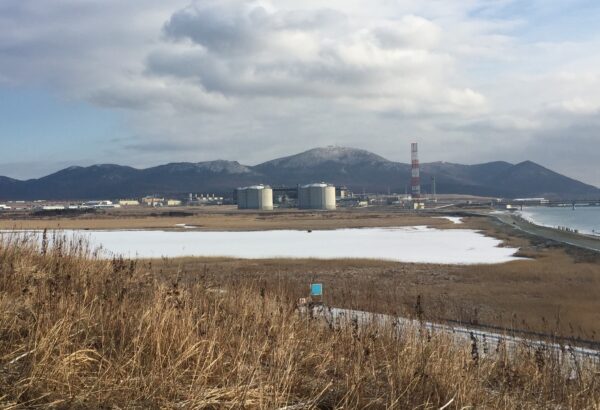
Japan, one of the most energy-insecure countries in the world relative to its population and economy, relies heavily on imports for its energy needs. Liquefied natural gas (LNG) accounts for 30 percent of its electricity generation, with over 97 percent of its total LNG supply imported. The ongoing conflict in Ukraine and disruptions to global energy routes have significantly impacted household costs and economic growth. This context explains Japan's continued procurement of Russian LNG from the Sakhalin-II project, despite pressure from the United States to phase it out. The Japanese government asserts that Russian LNG plays an "extremely important role" in its energy security. Domestic gas industry leaders warn that replacing the 5 million tonnes of LNG Japan imports annually from Russia—which constitutes 9 percent of its total LNG imports—risks supply shortages and increased costs for consumers. The proximity of Sakhalin Island allows for much lower transport costs compared to supplies from Australia or the U.S. Gulf Coast, a crucial factor for Japanese households already strained by the cost of living. While the U.S. has extended waivers for Russian LNG purchases, these are unlikely to be indefinite. Japan's government must prepare for the eventual cessation of these imports. The decision to maintain ties with Russia, even in energy procurement, has been tested by recent events, such as President Putin's visit to the disputed Kuril Islands. The government's response was criticized domestically as weak, with concerns over energy security cited as a major factor in ruling out import cessation. This situation highlights the challenges of Japan's past strategy of increased engagement with Russia, which included investments in Russian energy projects like Sakhalin-II. Rather than fostering positive relations, these investments have created dependencies that now constrain Tokyo's policy options. While Japan is not ready to entirely abandon this strategy, its continued energy purchases and engagement with Moscow risk damaging its reputation among G7 allies, especially when compared to the EU's more decisive move to ban Russian gas imports. Looking ahead, Japan faces significant challenges as its Sakhalin-II LNG contracts are set to expire between 2028 and 2033. Securing alternative, long-term supplies will require extensive planning and diplomacy, especially amidst strong competition from other Asian buyers. Potential alternatives like Australian or U.S. LNG present logistical and cost hurdles, while Canadian LNG offers a promising, cost-competitive option with a direct route to Japan. However, none will match the current cost and accessibility of Russian LNG. The broader risk of severing energy cooperation could jeopardize bilateral relations and any prospects for a diplomatic resolution to the Kuril Islands dispute, a significant concern given Japan's existing security challenges from China and North Korea.
Original source
The Diplomat Indonesia